Eat well
Which foods are high in vitamin D?

BHF Senior Dietitian, Tracy Parker, explains that 'superfoods' and supplements are not the answer to improving your immune system – but a healthy balanced diet is.


Your immune system helps to keep you healthy by protecting you from harmful bacteria, viruses (microbes) and abnormal cells that can make you ill.
This includes infections and long-term inflammation that can put extra strain on your heart and blood vessels.
What you eat is important because a healthy, balanced diet gives your immune system the energy and nutrients it needs to do this.
Physical barriers, including your skin and the lining of your gut, are also an important part of your body's defences. They help keep harmful microbes out of the body.
If microbes get through these barriers, different types of immune cells, including white blood cells, work with proteins called antibodies to spot and remove potential threats.
But despite what you may read, no single food, so-called ‘superfood’, or supplement can boost or supercharge your immune system.
From broccoli and beetroot to bee pollen and green powders, the word ‘superfood’ is used to sell all sorts of foods and supplements, often claiming they can boost your immune system.
But it has no official scientific definition, and no single food can provide everything your immune system needs.

There are also rules about how the word ‘superfoods’ can be used in UK food marketing.
It must be backed by a relevant authorised health claim, and food and drink companies cannot claim that a product prevents, treats or cures a disease or medical condition, such as an infection.
Rather than relying on individual ‘superfoods’, eating a varied, balanced diet can support your immune function in several ways, including by helping to keep your gut healthy.
Although people often talk about ‘boosting’ the immune system, that is not really how it works.
This is because a healthy immune system is not permanently ‘switched on’. It responds when there’s a threat and then ‘switches off’ once the threat has passed.
In fact, if the response carries on for too long, it can cause ongoing inflammation and damage healthy tissue.
With some health conditions, such as autoimmune diseases like type 1 diabetes and rheumatoid arthritis, the immune system remains active when it should not and mistakenly attacks the body’s own healthy cells causing damage.
That’s why it’s more accurate to talk about ‘supporting normal immune function’ rather than ‘boosting’ it.
Not exactly. No single food can ‘boost’ your immune system, but a healthy, balanced diet provides the energy and nutrients it needs to work properly.
Compared with Mediterranean-style diets, research has linked Western-style diets, which tend to be high in calories, saturated fat, processed meat, sugary foods and drinks, and refined grains, with higher levels of long-term inflammation.
This can be a sign that the immune system is remaining active when it should not.
That’s why it’s recommended to eat these foods less often.
If you are undernourished or low in a particular nutrient, your body may find it harder to fight infection too.
Low levels of vitamins A, B6, B12, C and D, as well as minerals including copper, folate, iron, selenium and zinc, can affect different parts of the immune response.
If tests show that you have a deficiency in any of these, treating it can help restore normal immune function.
But having more of these vitamins and minerals, in the form of supplements, than your body needs will not make your immune system stronger.
The story of scurvy helps explain the difference. In the past, sailors on long voyages often developed scurvy because they had little access to fresh fruit and vegetables and became severely deficient in vitamin C.
Symptoms included swollen or bleeding gums and wounds that were slow to heal. Citrus fruit helped because it replaced the vitamin C they were missing, not because it ‘boosted’ their immune system.

Your immune system does not rely on individual nutrients alone - it needs many nutrients working together.
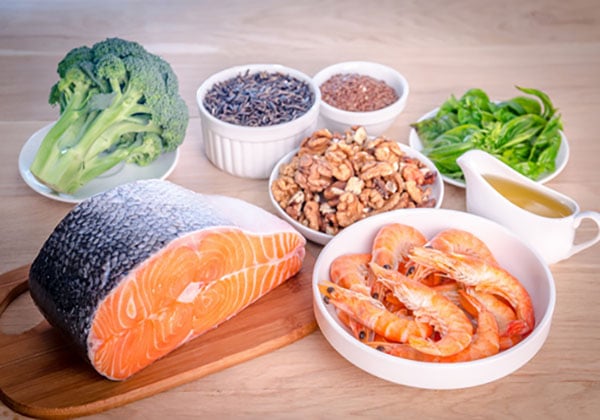
Most people can get what they need from a healthy, balanced diet. This includes a variety of fruit and vegetables, wholegrain or other high-fibre carbohydrates, beans and pulses, lean sources of protein, and unsaturated fats.
Together, these foods provide fibre, vitamins, minerals and plant compounds, such as polyphenols and carotenoids, that support normal immune function and help protect your heart.
Eating a variety of foods is the best way to get the combination of vitamins and minerals you need to support the immune system’s normal function.
For example, the meal eggs on wholegrain toast has a combination of nutrients.
Eggs provide protein, which supplies the building blocks for immune cells and antibodies, as well as vitamins B6 and B12, which help the body make and maintain healthy cells.
While wholegrain toast adds B vitamins and fibre, which can also support a healthy gut. It is the variety of foods in your diet that matters most.
The following table shows the nutrients some everyday foods provide.
Fruit and vegetablesHealthy food examples: How they help:
|
Wholegrains, pulses, nuts and seedsHealthy food examples: Key nutrients: How they help:
|
Protein-rich foodsHealthy food examples: Key nutrients: How they help:
|
Nuts, shellfish and offalHealthy food examples: Key nutrients: How they help:
|
Iron-rich foodsHealthy food examples: Key nutrients: How they help:
|
Oily fish, eggs and fortified foodsHealthy food examples: Key nutrients: How they help:
|
You may see supplements advertised with claims about immunity, but there’s little evidence that they help an already healthy immune system.
Some people do need particular supplements because of their age, health, diet or stage of life.
Vitamin D is an example - it contributes to normal immune function and helps keep your bones strong.
In the UK, government advice is everyone should consider taking a daily vitamin D supplement during autumn and winter, when sunlight is not strong enough for the body to make enough.

Supplements cannot replace a healthy diet, and high doses of some vitamins and minerals can be harmful.
If you're worried about your diet or think you may need a supplement, speak to your GP or pharmacist.
Much of your immune system is found in and around your gut.
Your gut lining acts as a barrier, letting nutrients into your body while helping to keep harmful microbes out.
The gut is also home to trillions of microorganisms, known as the ‘gut microbiome’, which interacts with the immune system and influences how it responds to threats.
What you eat affects the mix of bacteria in your gut. Diets rich in a variety of high-fibre plant foods, such as fruit, vegetables, wholegrains, beans, nuts and seeds, help beneficial bacteria thrive because they feed on fibre.
Live yogurt, kefir and fermented foods such as sauerkraut and kimchi also contain beneficial bacteria.
Together, these foods can support a diverse gut microbiome, which research links to gut and immune health. Scientists are still looking at what it means for long-term health.
A healthy diet matters, but it is only one part of maintaining a healthy immune system. other everyday healthy habits include:
They will help look after your heart too.
Vaccinations are another important way to protect your health. They help your immune system recognise and fight specific infections before they can make you ill.
It is important to take up the vaccinations you are eligible for, such as the flu vaccine.
You cannot ‘boost’ your immune system with a single food or supplement. Instead, a varied, balanced diet alongside healthy everyday habits can support your immune system, heart and overall health.