Eat well
Wholegrain foods: why there's more to them than wholemeal bread
You often hear that wholegrains are an important part of a healthy diet and you should be eating more of them. British Heart Foundation Senior Dietitian Tracy Parker explains what they are and why they're essential to your health.
Published:
Published:
What's on this page
- Wholegrain foods explained
- Wholegrain health benefits
- Refined grains explained
- Fibre and wholegrains
- The difference between wholemeal and wholegrain
- Gluten-free wholegrains
- Wholegrain portion sizes
- How to eat more wholegrains
- Examples of wholegrains foods
Wholegrain foods explained
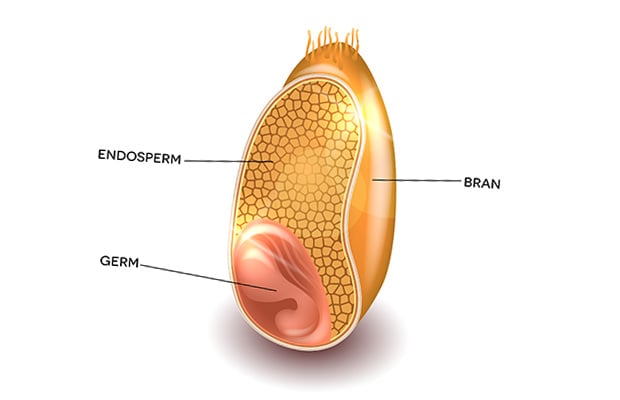
Wholegrains are the seeds or grains of plants like wheat, corn, barley, rye, rice, oats and quinoa. In their unprocessed form, wholegrains contain all three layers of the grain:
- The bran is the tough fibre-rich outer shell.
- The endosperm is the starchy middle part.
- The germ is the nutrient-rich inner part, containing vitamins, minerals, healthy fats, vitamin E and polyphenols that have anti-inflammatory properties.
Wholegrain foods include wholewheat, brown and wild rice, barley, rye, oats, corn, including popcorn.
Ancient grains are wholegrains that have remained unchanged for hundreds of years. These include spelt, buckwheat and freekeh, bulgur wheat, quinoa, millet, sorghum, kamut, amaranth and teff.
Wholegrain health benefits
Diets containing plenty of wholegrains can reduce the risk of coronary heart disease, type 2 diabetes and certain types of cancer. How wholegrains help prevent these conditions is not yet fully understood.
But what we do know is when you eat wholegrains you get vitamins and minerals, carbohydrates, polyphenols and healthy fats, all of which are important for our overall health, including our heart health.
They also contain high amounts of fibre, which helps slow digestion and maintain steady blood sugar levels. Soluble fibre in oats and barley can lower cholesterol levels.
The wholegrain germ also contains magnesium and potassium which can help to lower blood pressure.
And the fibre and polyphenols improve gut health and support our immune, heart and brain health.
Refined grains explained
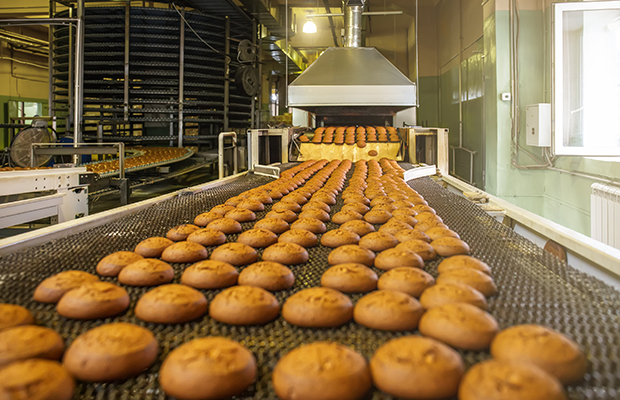
When wholegrains are refined to make white rice or white flour for white bread, pasta and most packaged cakes, biscuits and pastries, their bran and germ are removed.
This strips away most of the healthy nutrients. That’s why it is important to keep your grains ‘whole’ whenever possible.
Wholegrains provide extra vitamins and minerals, polyphenols, heart-healthy fats, and other important nutrients that refined grains do not offer.
Fibre and wholegrains
Wholegrains are whole foods such as corn, wheat, brown rice or oats. Fibre is found in many plant-based foods – fruit, vegetables, nuts and wholegrains.
The fibre in wholegrains comes from the tough outer part, called the bran. This type of fibre, cereal fibre or roughage, is not broken down by the digestive system and helps to reduce constipation.
While you can add bran to foods like cereals, smoothies, yogurts and muffins to increase fibre content, these will not provide the additional nutrients found in wholegrains.
The bran fibre is just one part of wholegrains that contributes to their health benefits.
The difference between wholemeal and wholegrain
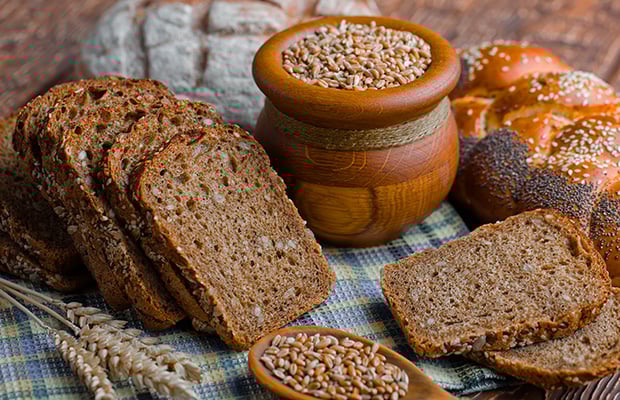
Wholemeal, wholewheat and wholegrain bread are all considered wholegrains.
However, granary and multigrain breads, which contain added malted wheat flakes or grains for texture and fibre, may not be made from wholemeal flour.
Wheat germ bread is made from white flour, with added wheat germ and is not wholegrain.
To ensure a food product is wholegrain, check a wholegrain is among the first ingredients listed on the label. Look out for the word ‘whole’ as in wholemeal, wholegrain or 100 per cent wholewheat.
Gluten-free wholegrains
Many wholegrains are gluten-free, so it is easy to include them in your diet. Gluten-free wholegrains include amaranth, buckwheat, corn, millet, quinoa, sorghum, teff, brown and wild rice and oats.
Oats can sometimes be contaminated with other grains, so check the label to ensure they say gluten-free.
Wholegrain portion sizes
Although there are no official UK recommendations, it’s suggested that we eat at least 3 portions of wholegrain a day.
1 portion is a slice of wholemeal bread or half a wholemeal pitta or chapati, 27g of dry oats, 2 tablespoons of brown pasta or rice, 40g of dry wholegrain cereal or 3 oatcakes.
How to eat more wholegrains
Adding more wholegrains to your diet can be simple:
- Swap white bread, pitta and chapati for wholegrain versions.
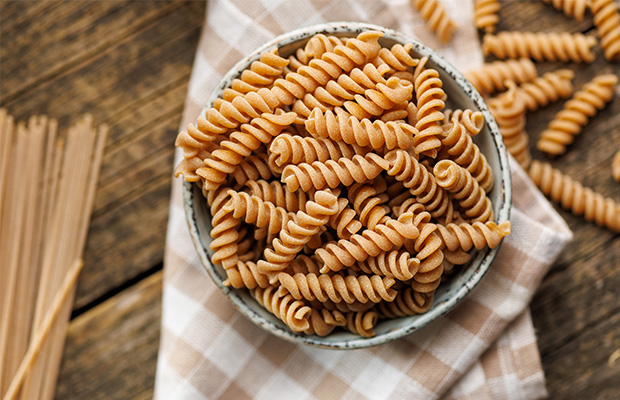
- Switch white rice, noodles and regular pasta for brown rice, wholegrain pasta, soba noodles or boiled grains such as barley, buckwheat, bulgur, freekeh or sorghum.
- Sub out white rice cereals and cornflakes for wholegrain porridges, puffed brown rice, bran or oat flakes.
- Snack on rye crispbreads, oatcakes and unsalted popcorn or popped sorghum.
Examples of wholegrain foods
It’s suggested that we eat at least 3 portions of wholegrain a day. Here's our guide to what a portion looks like to help you reach this target:
Wholegrain breads and crackers
- 1 slice wholemeal, wholegrain, or wholewheat bread
- 1 slice of rye or pumpernickel bread
- ½ a wholemeal pitta, chapatti or wrap
- 2 rye crispbreads
- 2 oatcakes
How to add them to your diet: Have wholegrain breads instead of white breads and crackers.
Wholegrain cereals
- 1 x shredded wheat or wheat biscuit
- 3 tbsp bran flakes or puffed wholegrain cereal
- 2 tbsp wholegrain muesli
- 3 tbsp cooked kasha (buckwheat) cereal or porridge, or cooked oats
- 3 tbsp oat cereals, puffed brown rice or wholegrain spelt puffs
How to add them to your diet: Choose varieties with no added sugar or salt.
Wholegrain pasta and rice
- 2 tbsp cooked freekeh, kamut, spelt, bulgur wheat, grains and pearly barley
- 2 tbsp wholewheat noodles
- 2 tbsp boiled brown or wild rice
- 2 tbsp boiled soba (buckwheat) noodles
- 2 tbsp cooked quinoa, amaranth, millet, or sorghum grains
How to add them to your diet: Use as alternatives to white rice and pasta.
Wholegrain flour for baking
- Wholemeal, spelt or Kamut flour.
How to add them to your diet: Substitute these gluten flours for half or all white flour in baking.
Wholegrain flour for sauces and batter
- Cornflour, rice, oat buckwheat, millet, teff, amaranth or sorghum flour.
How to add them to your diet: Use these gluten-free flours for thickening sauces, coating foods, or batters.
Snacks
- 30g, or a handful, of popcorn, popped sorghum or brown rice puffs.
How to add them to your diet: Make your own or choose ready-made ones with no added salt or sugar.
What to read next...
Quiz: How much do you know about carbohydrates?