Eat well

Anti-inflammatory diet: what you need to know
British Heart Foundation Senior Dietitian, Tracy Parker, reveals how your diet can affect inflammation in your body and heart.
Published:
Published:
What's on this page
- Inflammation explained
- Inflammation and heart disease
- Food and inflammation
- Best anti-inflammatory diets
- Anti-inflammatory diets for inflammatory conditions
- Anti-inflammatory herbs and spices
- Other ways to reduce inflammation
Inflammation explained
Inflammation is the body’s natural defence system.
Acute inflammation is the body’s immediate response to injuries like a cut or burn.
The immune system releases chemicals to increase blood flow and immune cells (cells that clear out harmful particles) to the damaged area. This process usually stops after a few days, once healing is complete.
Chronic inflammation occurs when this response is ‘on’ for long periods of time, leading to the ongoing release of inflammatory cells that damage healthy cells.
It can result from persistent infections, autoimmune disorders like rheumatoid arthritis and lupus, or lifestyle factors like smoking and obesity.
Chronic inflammation can contribute to chronic diseases such as coronary heart disease and type 2 diabetes.
Inflammation and heart disease
Chronic inflammation plays a key role in atherosclerosis, where fatty material (plaque) builds up inside blood vessels. This can lead to heart attacks and strokes.
Inflammation damages blood vessel walls, allowing fatty material to build up.
The immune system identifies fatty material as a foreign body and triggers an inflammatory response, causing the fatty material to grow and become unstable.
This can lead to it bursting and forming a clot. If a clot blocks blood flow in the heart, it can cause a heart attack; if it occurs in the neck or brain, it can lead to a stroke.
Food and inflammation
Research suggests that what we eat can influence inflammation.
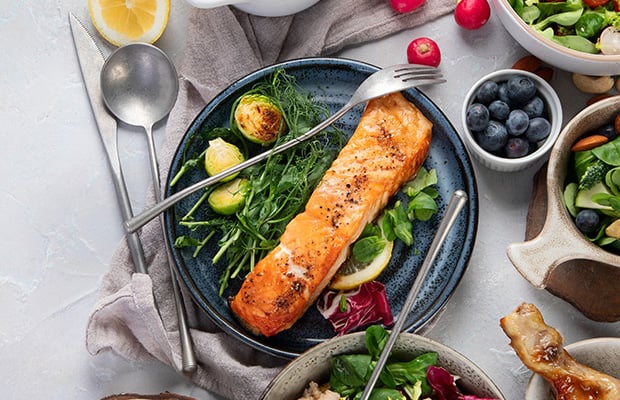
Certain foods like blueberries, olive oil, spinach, green tea, turmeric and oily fish may have anti-inflammatory effects, while processed meats, foods high in saturated fat and sugary drinks can promote inflammation.
However, most studies have been conducted in labs using concentrated extracts, so it’s unclear if these individual foods alone can prevent or cause inflammation.
The strongest evidence comes from population studies on whole diets.
They show that eating patterns which are rich in fruits, vegetables, wholegrains, unsaturated oils, beans, nuts, and fish, such as the DASH (Dietary Approaches to Stop Hypertension) and Mediterranean diets, lower heart disease risk.
They do this by improving risk factors like cholesterol and blood pressure and reducing inflammation.
In contrast, diets high in calories, processed meats, butter, sweets, sugary drinks and refined grains are linked to higher inflammation and an increased risk of coronary heart disease.
The exact mechanisms are not fully understood, but the anti-inflammatory benefits seem to come from a variety of healthy foods working together.
Rather than focusing on specific foods, it’s best to eat a diverse range of fruits, vegetables, wholegrains, fish and healthy oils to help lower inflammation in the body.
Best anti-inflammatory diets
There’s no official anti-inflammatory diet. If you’re looking for an anti-inflammatory way of eating, consider the Mediterranean and DASH diets.
These diets emphasise naturally anti-inflammatory foods and avoid those that can cause inflammation.
They are also known to reduce the risk of coronary heart disease.
Anti-inflammatory diets for inflammatory conditions
If you have a chronic inflammatory condition like rheumatoid arthritis or inflammatory bowel disease, it’s important to talk with your doctor before making any dietary changes.
Always follow the treatment plan recommended by your healthcare provider.
Anti-inflammatory herbs and spices
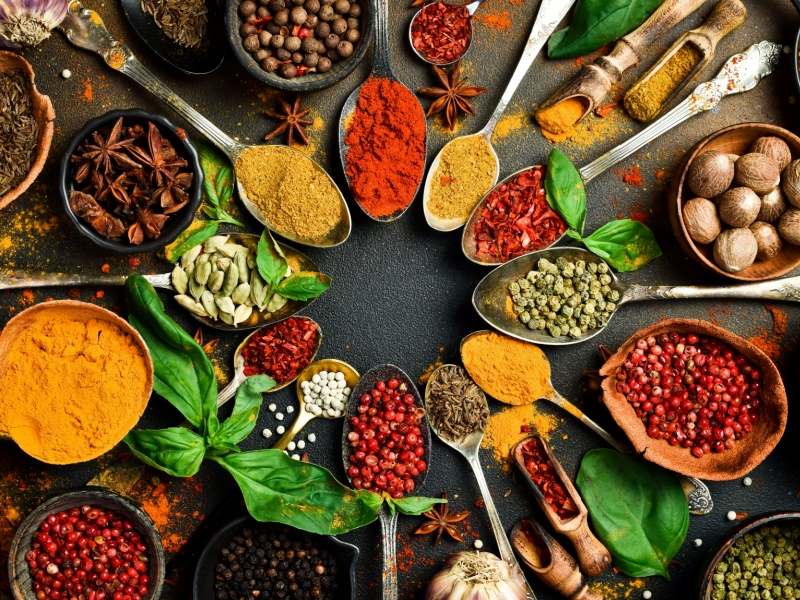
Herbs and spices like black pepper, ginger, turmeric, and garlic have been linked with anti-inflammatory properties.
However, most research has used high-dose supplements or extracts, rather than food, making the results inconclusive.
Instead of relying on supplements, enjoy adding these herbs and spices into meals. It not only adds flavour but also reduces the need to add salt and sugar.
Watch out for 'anti-inflammatory' health claims on foods.
In the UK the term 'anti-inflammatory' is not an authorised health claim; this means no commercially sold food should carry this claim on its food label.
Other ways to reduce inflammation
As well as a healthy diet, you can help control inflammation by adopting other healthy habits like not smoking, staying physically active, and maintaining a healthy weight.
These habits also help to lower cholesterol, blood pressure and blood sugar levels, keeping your heart healthy too.
What to read next...
Anti-inflammatory recipes

More useful information
Understand health
How autoimmune disease affects your heart