


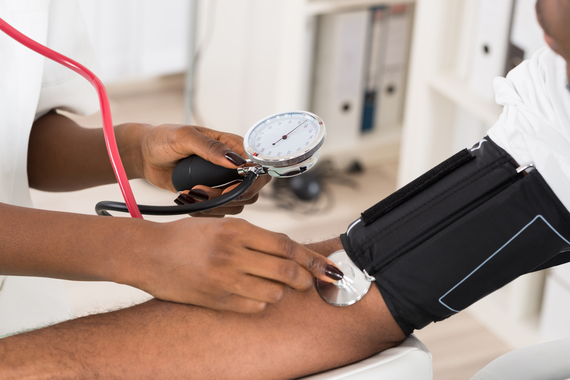
Risk factors
Risk factors are conditions or habits that increase your risk of developing a disease. The good news is many heart and circulatory diseases are caused by risk factors that can be controlled, treated or modified.
Statins are medicines that help lower your cholesterol and protect your arteries. This helps lower your risk of heart and circulatory conditions, such as:
Statins can help treat high cholesterol, but they are also a preventative medicine. This means they lower your cholesterol and help to prevent you from having heart problems in the future, like a heart attack.
Studies show that low-dose statins can lower your bad cholesterol (LDL) by up to 30 per cent and high-dose statins can lower it by more than 40 per cent.

Watch our short video explaining statins, what they are and what they do
You may be given a statin if you’ve got:
Or you’ve had a heart attack, stroke, angioplasty and stent or coronary bypass surgery.
When deciding whether you should take a statin or not, your doctor will look at your overall risk of having a heart attack or stroke in the future.
Find out how your doctor works out your risk
The different types of statins your doctor might prescribe include:
Your doctor will help find the right statin for you, depending on your medical history and your cholesterol level.
You may see that some low-dose statins are available at pharmacies to buy without a prescription. These are not a replacement for prescribed statins, and you should not take them if you have been prescribed statins by your doctor.
If you'd like to start taking a low-dose statin, speak to your pharmacist or doctor.
If you’re thinking about taking a statin or already taking one, it’s important to how it might affect your health and what your options are if you’re unsure about taking it.
Your doctor may use National Institute for Health and Care Excellence (NICE) guidelines to help decide whether to recommend you a statin or not. But it’s your choice whether you take a statin.
Asking your doctor some questions can help you decide, like:
Most people taking statins will have no side effects. However, for some people side effects can have a big impact on their daily life.
One uncommon side effect from statins can be muscle pain. There is also a very small risk of type 2 diabetes with some types of statin. Speak to your doctor if you're worried about these side effects.
Some people worry about other side effects, like:
However, research has found that statins do not cause most reported side effects.
You may experience symptoms that feel like side effects. But they could be caused by other things like changes in your lifestyle, stress or tiredness. If you’ve started taking statins recently it’s worth bearing in mind that symptoms with any new medicine may improve over time or even disappear.
Talk to your doctor if you’re worried about side effects. They can help you manage them or look at other options with you.
If you’re taking a statin and you’re unsure if you want to keep taking it or you do not feel well, talk to your doctor.
Here are some options you can talk to your doctor about:
Your doctor can tell you what your risk of future heart problems is if you stop taking your statin, lower your dose or try a different treatment.
Having more information and talking it through with your doctor can help you to decide what’s best for you.
If statins do not help lower your cholesterol or you cannot take them, you might be offered other medicines like:
You may also hear about other medicines, like fibrates, volanesorsen and lomitapide. They’re usually only given for specific cholesterol conditions.
Some of these medicines can only be prescribed by a specialist. Speak to your doctor to find out if they’re an option for you.
Statins are one of the best ways to reduce your cholesterol.
Lifestyle changes can help to lower cholesterol but may not work for everyone. For example, if you have a condition that causes high cholesterol, like familial hypercholesterolaemia (FH).
You’ll usually need to make lifestyle changes as well as taking a statin. These can be small changes you make over time to build up healthier habits.
Lifestyle changes include:
Find healthy, tasty recipes to lower your cholesterol. You can also order our free booklet filled with tips on living a healthier lifestyle.
Supplements, plant sterols and stanols
Plenty of foods and supplements, like plant sterols and stanols, claim to lower cholesterol.
Most people will take a statin every day for the rest of their life.
If you stop taking a statin, and do not make changes to your lifestyle, then your cholesterol will go up again. This is because your body will always make cholesterol, as some cholesterol helps your body to work normally.
People taking statins for conditions like familial hypercholesterolaemia (FH) will need to take medicine every day for the rest of their life to manage their condition.
Your doctor may recommend taking your statin at the same time every day. It can help to make it part of a routine, like:
If you forget to take your statin, take your normal dose the next day. Do not have an extra statin.
Some things can affect how well your statin works. You may need to avoid: It's important not to take statins if you're pregnant. If you become pregnant or want to become pregnant, speak to your doctor. Talk to your doctor or pharmacist about the statin you're on and what you need to avoid. Find out more about statins, grapefruit and alcohol.Things to avoid if you're taking statins


We've followed an eight-step process to make sure this content is reliable, accurate and trustworthy.
Learn how we make our health content.
Risk factors are conditions or habits that increase your risk of developing a disease. The good news is many heart and circulatory diseases are caused by risk factors that can be controlled, treated or modified.

You may be having planned or emergency treatment. We explain what to expect, how it will help and what will happen afterwards.

Being diagnosed, or living with a heart or circulatory condition can be overwhelming, but we're here to help.