


Eat well

Are eggs high in cholesterol? Egg nutrition explained
Senior Dietitian, Tracy Parker, explains whether eggs are bad for your cholesterol, how many you can eat a day as part of a healthy diet, and how many calories and how much protein there is in a medium egg.
Published:

Published:

Are eggs good or bad for you?
For most people, eggs are not bad for you. In fact, they’re a healthy, affordable source of protein and other important nutrients.
Eggs contain protein, which helps your body build and repair tissues and keeps you feeling fuller for longer.
They also provide vitamins such as B2 (riboflavin), B12 and vitamin D, as well as minerals like iodine and selenium.
How eggs are cooked and what they’re served with makes the biggest difference to how healthy they are.
Boiled or poached eggs, or eggs cooked with a small amount of vegetable oil, are healthy choices.
Cooking eggs with butter, ghee or cream, or eating them alongside foods like bacon, sausages and fried bread means you are adding ingredients that are high in saturated fat and salt.
It’s the saturated fat in these other foods – not the eggs themselves – that can raise cholesterol levels in your blood.
- Instead of eggs Benedict, try this tasty recipe for avocado and poached egg on toast
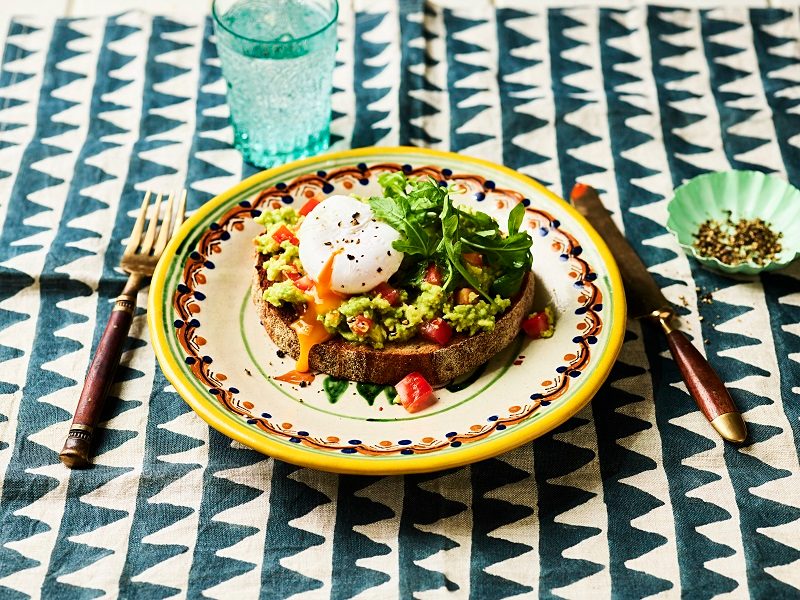
Do eggs raise cholesterol?
Foods high in saturated fat – such as fatty meats, butter, cheese and pastries – are more likely than eggs to raise 'bad' LDL cholesterol in your blood.
It's true eggs contain cholesterol. But the type of cholesterol found in food, called dietary cholesterol, is different to the type of cholesterol found in your body.
The dietary cholesterol in an egg is found in the yolk, with 1 medium egg containing around 180mg of dietary cholesterol.
For most people, dietary cholesterol has a much smaller effect on blood cholesterol levels than once thought. Saturated fat has a much bigger impact.
That’s why it’s important to focus on reducing the amount of saturated fat in your diet to keep your cholesterol levels healthy.
If you have familial hypercholesterolaemia (FH) – a genetic condition that causes very high cholesterol levels – you may still need to be careful about foods that contain dietary cholesterol, including eggs, shellfish and offal.
If you have FH, or very high cholesterol for another reason, it’s important to talk to your GP or dietitian about how eggs fit into your diet.
- For a healthy meal made with eggs, try this recipe for Mediterranean vegetable frittata
How many eggs can I eat a day?
There is currently no recommended limit on the number of eggs you should eat.
For most adults, having 1 or 2 eggs per day is unlikely to be a problem when eaten as part of a balanced diet.
But if you have FH, or very high cholesterol for another reason, it’s important to check with your GP or dietitian.
What matters most is your overall diet. Include plenty of vegetables, fruit, wholegrains, beans, pulses, nuts, seeds and healthy unsaturated fats, and try to reduce the amount of salt, sugar and saturated fat you eat.
If you already have high cholesterol, or a heart condition, it helps to think about how eggs fit into what you eat day to day.
Swapping fried eggs and bacon for poached eggs with wholegrain toast and grilled tomatoes, for example, is a simple swap that will help you to keep cholesterol in check.
- Instead of a traditional fry-up, try this recipe for garlicky mushrooms with healthy baked beans and a poached egg
Nutritional content of a medium egg
Eggs may be small, but they’re packed with nutrients. Understanding what’s in an egg can help you decide how they fit into your diet.

How many calories are in an egg?
A medium egg contains around 65 to 70 calories. This makes eggs a fairly low‑calorie, healthy source of protein.
But the number of calories also depends on how the eggs are cooked.
Frying eggs in butter or ghee, or adding cream to scrambled eggs will increase the number of calories and the amount of saturated fat in the overall meal.
If you are trying to lose weight, it’s best to opt for boiled or poached eggs, or if you prefer fried then use a little vegetable oil.
- For a healthy alternative, see this recipe for Indian-spiced scrambled eggs
How much protein is in an egg?
A medium egg provides about 6 to 7g of protein.
Protein helps keep your muscles and bones strong and also helps you feel full.
Because eggs are high in protein, including them in meals can keep you going for longer and may help you snack less.
- Try this healthier version of baked egg custard with nutmeg
What to read next...

More useful information
Understand health
7 natural alternatives to statins that claim to lower cholesterol

Eat well
Healthy food swaps
