

Emma Willis meets inspiring survivors behind red benches to be unveiled across the UK

TV presenter Emma Willis has spoken out about the heavy toll of being diagnosed with a heart condition, as she met with fellow survivors to unveil our new campaign.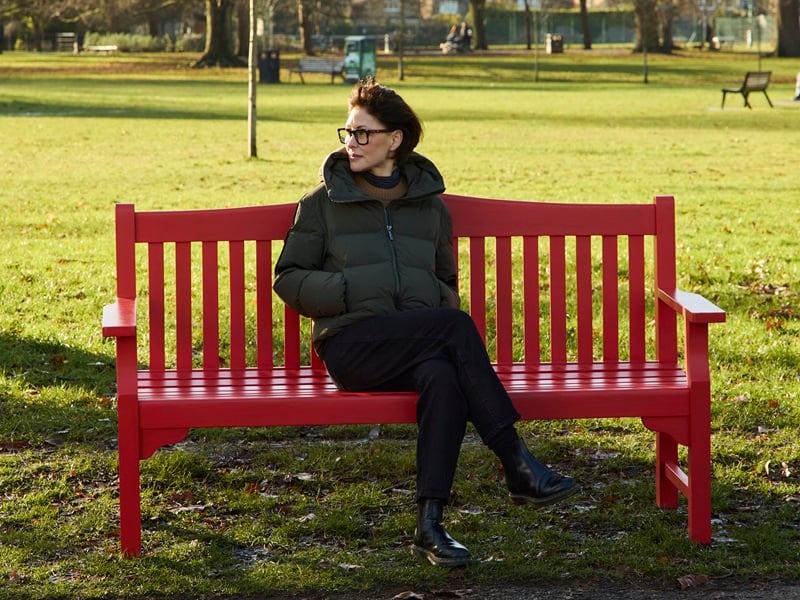
Emma lived unknowingly with a hole in her heart for 48 years which only became evident following a routine health check in January 2025.
There, it was found she had an enlarged heart, and she was referred to a cardiologist where they discovered the hole between the collecting chambers of the heart called an atrial septal defect. Emma was told it was a congenital condition, so she had been born with the hole in her heart but had been unaware of it.
She underwent a successful keyhole procedure to close the hole at Royal Brompton Hospital two months after diagnosis.
‘Bolt out of the blue’
Emma said: "The last thing I expected my cardiologist to say was that it was a congenital heart condition. I was floored as I had gone 48 years oblivious, not knowing anything was wrong.
"It was a bolt out of the blue, and I had a million questions going through my head. The mental shift was the biggest challenge, because when you hear those words - it terrifies you.
"My perspective on life shifted. From diagnosis to surgery was the most present I have been in my life.”
Launching our striking new campaign that will see iconic red benches unveiled across the UK, Emma has courageously shared her experience - from a red bench - to inspire open conversations.
She added: "I’m hoping that sharing my story will help others going through something like this.”
‘Our world collapsed’
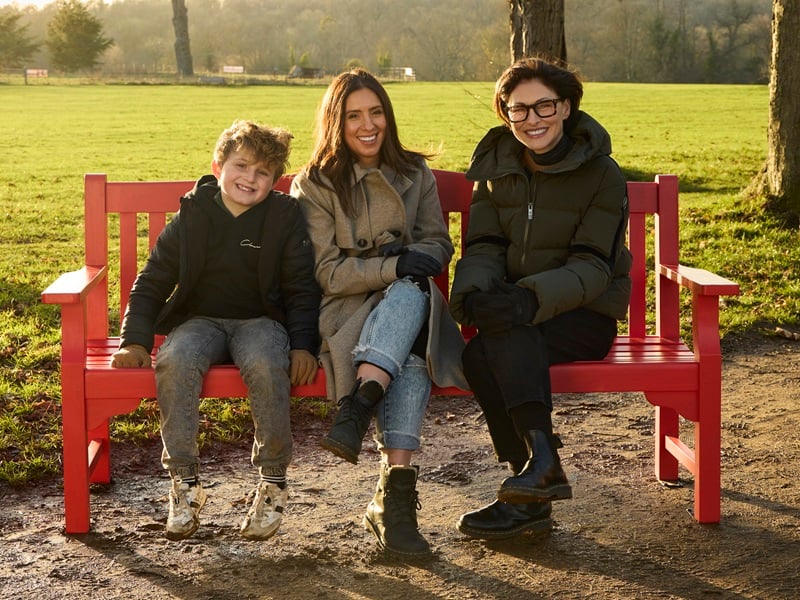
Emma also met with mum-of-two Aimee Nicholls and her eight-year-old son, Leo.
Aimee was also born with a hole in her heart and underwent a keyhole procedure aged four. The former air hostess was able to live a relatively normal life, but after falling pregnant with Leo, a 20-week scan picked up that Leo would also be born with a hole in his heart. However, once Leo was born in November 2017, Aimee and husband Alex were told their son had several heart defects- and would need to undergo open heart surgery aged at just a week old.
“When we were told about Leo’s conditions, our world collapsed,” said Aimee, now aged 32 and from Bristol.
“We’d gone from being told he had a minor heart defect that wouldn’t require surgery and would rectify itself, to being told that without open heart surgery he wouldn’t survive. We just broke down and couldn’t process it at all.”
Following successful surgery, Leo was discharged from hospital just two days before Christmas. He had a long road to recovery, and whilst he continues to be monitored by doctors, Leo – an avid fan of football, rugby and golf - may require further surgery.
‘I won’t let fear define me’
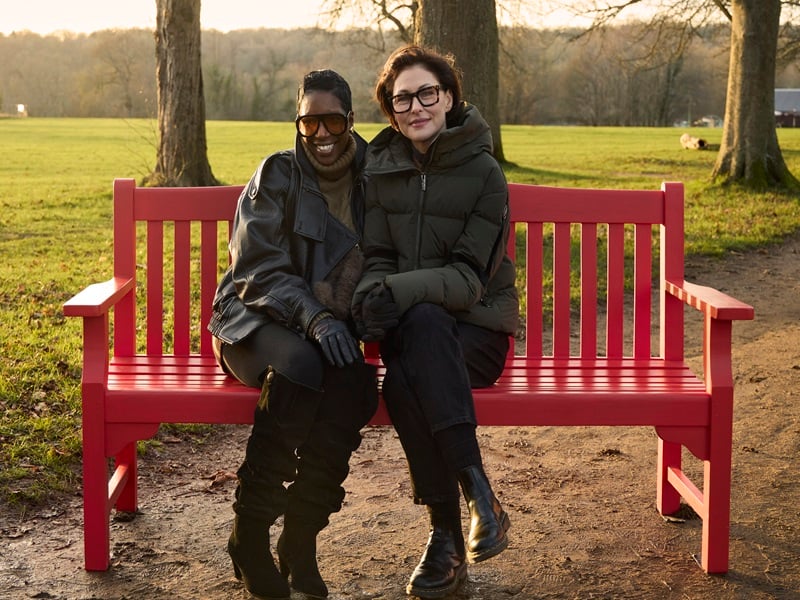
Emma also sat down with mum-of-three Michelle White, who has undergone 13 different types of heart procedure.
In her mid-twenties Michelle, a mum-of-three, collapsed suddenly one day – and was subsequently found to have a faulty heart valve. Her heart became enlarged due to the extra strain it was under, and she had two open-heart surgeries to repair the faulty valve. As a result, she developed several abnormal heart rhythms, and had a pacemaker fitted.
She has also had endocarditis and has had several strokes. In 2023 Michelle became very unwell again and was told she was going to need lifesaving surgery to replace one heart valve and repair another – which took nine hours.
Recent hospital tests have confirmed that Michelle’s heart is currently functioning well, and she is also now able to travel abroad.
Michelle, now aged 48 and from Didsbury, said: “My heart has a personality of its own – it does just enough to push the boundaries.
“My youngest son’s first memories of me are shaped by my heart condition, seeing me on a life support machine, but they’ve also shaped my sense of purpose.
“I won’t let fear define me. I’m taking things step by step, staying positive, and I feel I’m at a new chapter where I can focus on what truly matters most.”
Iconic red benches
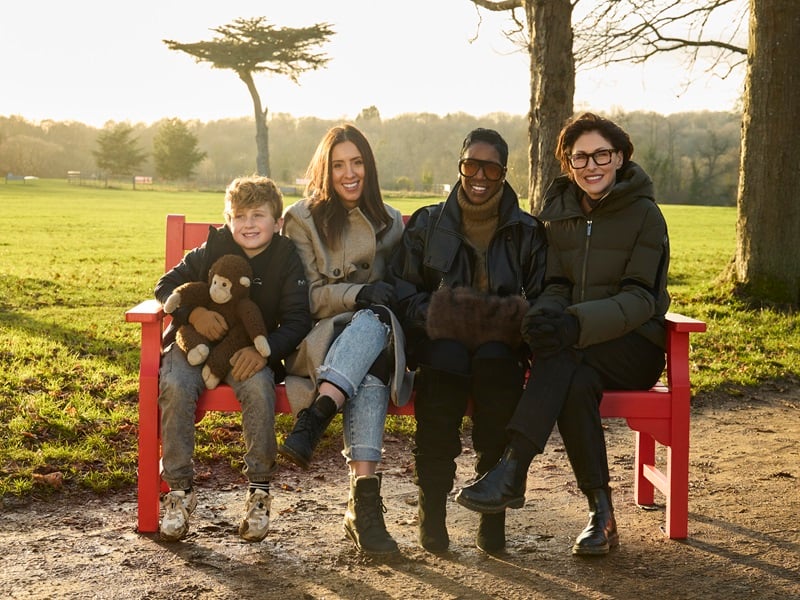
Leo and Michelle’s stories will be celebrated through the unveiling of 65 red benches across the UK this year, to mark 65 years since BHF began
Behind every bench is a powerful real-life story of someone living with a cardiovascular condition – with the installations turning the familiar motif of a memorial bench on its head, by commemorating those who have survived.
Each bench is placed near the communities the survivors come from, allowing people to encounter powerful, locally relevant stories in everyday settings such as parks, high streets, and town centres. BHF worked with Saatchi & Saatchi and Raw Research to identify cardiovascular disease survivors and suitable locations.
Every three minutes
Every three minutes, someone in the UK dies from cardiovascular disease, with the condition affecting more than eight million people in the UK alone.
Dr Charmaine Griffiths, our Chief Executive, said: “We’re incredibly grateful to Emma, Aimee, Leo and Michelle for openly sharing their experiences of living with heart conditions. Their stories send a powerful message that cardiovascular disease can affect anyone, and that it’s okay to talk about your heart health.
“Our 65 iconic red BHF benches are creating spaces that celebrate real-life survivors and allow people to talk about their experiences, changing perceptions and inspiring support for research that saves and improves even more lives.”
We are urging people for donations so they can help fund more groundbreaking research to keep us beating.
Lifesaving research we fund includes our flagship CureHeart programme, which could one day find new treatments and cures for inherited heart muscle diseases.
We are also funding pioneering research using artificial intelligence, including a project that could help predict heart attacks up to a decade before they strike, and another that could improve detection of hidden heart rhythm conditions using innovative new wearable technology.