

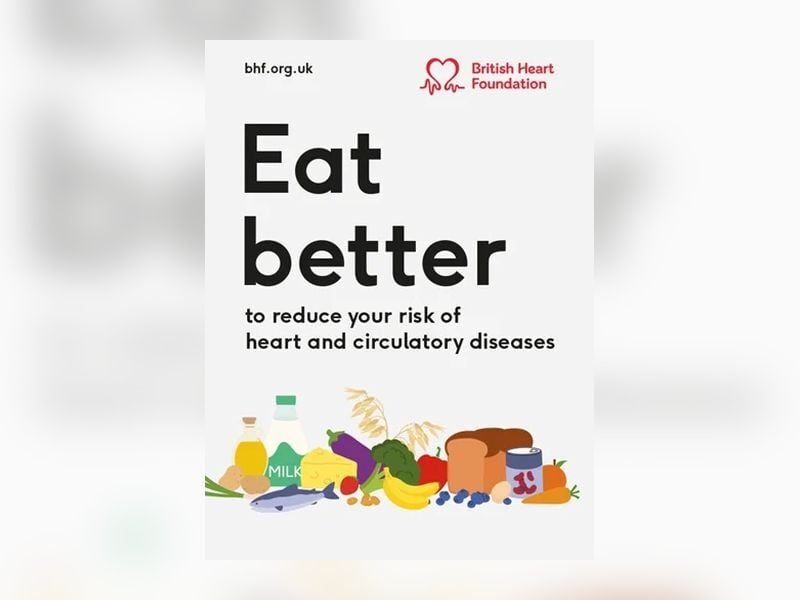
Eat better
Download or order our free booklet on eating better for a healthier heart. It has lots of simple swaps and tips for a healthier you.
It’s normal to feel stressed sometimes and a certain amount of stress can be healthy.
But if you're feeling like things are getting worse over time and becoming harder to manage, it may be time to make some changes. Stress can be a sign that you're feeling worried about something.
Stress and anxiety can have similar symptoms so it can be hard to spot the difference.
Stress can be your body’s response to a trigger and is likely to be short-term. Typical triggers could be a job interview or a busy day at work.
Our minds and bodies have ways of letting us know if stress is becoming too much. Stress can affect you physically, emotionally and change your behaviour.
Emotional symptoms include feeling:
Physical symptoms include:
Behavioural symptoms include:
Recognising and understanding what’s making you stressed is the first step to reducing your stress levels.
Stress is usually caused by events or situations in your life. It can be hard to pinpoint exactly what’s causing your stress as it could be a build-up of lots of little events or one big one.
Common causes of stress include:
Stress alone will not cause cardiovascular disease. But it is linked to unhealthy habits that can increase your risk.
You may be more likely to turn to unhealthy habits such as smoking, eating comfort food that’s typically high in fat or sugar, drinking too much alcohol or not being physically active.
In the moment, these things can temporarily reduce your stress. But if you do too much of them in the long run, it can damage your heart health.
If you're feeling stressed or anxious, small steps can make a big difference. You don't need to change everything at once. Try a few simple strategies and see what works best for you.
You could try:
There are also lots of free resources available to support your wellbeing. You can find guided meditations, mindfulness sessions and yoga classes online, including on YouTube. Your local community or leisure centre may also offer classes, which can be a great opportunity to meet new people.
Alongside these steps, some lifestyle changes can also help reduce stress over time:
Some sources of stress may be outside your control, so it is not always possible to avoid them. While you may not be able to change everything that is happening around you, thinking about what you can and cannot control can help you focus your energy on the things that may make a difference.
If you don’t think you can cope with your stress, or you’re worried you may become depressed or anxious, it’s time to make an appointment with your GP.
Your GP may refer you to cognitive behavioural therapy (CBT) or talk about other options like medicine.
More support and information:

We've followed an eight-step process to make sure this content is reliable, accurate and trustworthy.
Learn how we make our health content.
Download or order our free booklet on eating better for a healthier heart. It has lots of simple swaps and tips for a healthier you.
Download or order our free booklet on looking after your heart. It walks you through the best ways to look after your heart and your health, with easy swaps and manageable changes.
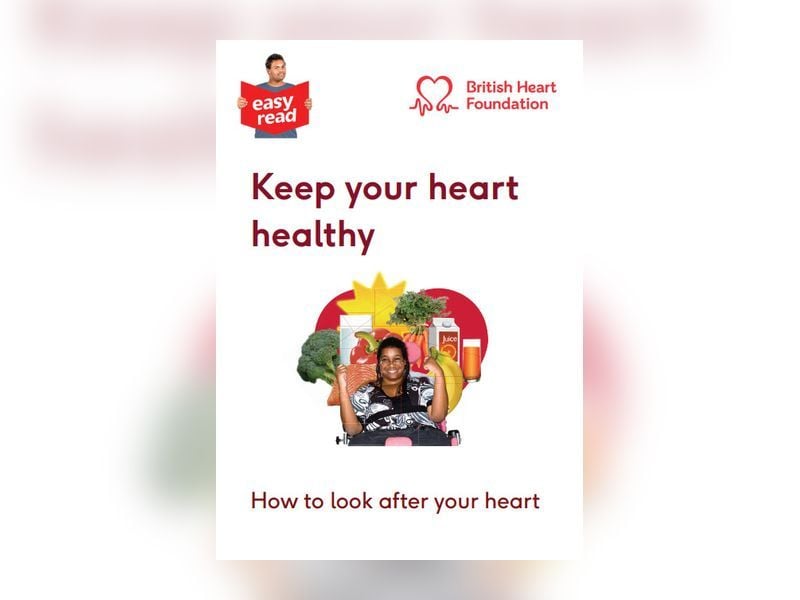
This easy read booklet tells you about how to look after your heart.