


Treatments
You may be having planned or emergency treatment. We explain what to expect, how it will help and what will happen afterwards.
Angiotensin-II receptor blockers (ARBs) are medicines that help your blood vessels to widen and relax. This helps lower your blood pressure and increases the amount of blood flowing to your heart.
You may be given an ARB if you have:
You may be prescribed an ARB if you have previously tried an ACE inhibitor and it gave you side effects.
You may also be given other medicines to take for your condition. For example, if you have high blood pressure you may also take a calcium channel blocker.
You may hear ARBs being called angiotensin-II receptor antagonists.

ARBs block the effects of a hormone called angiotensin II.
This hormone increases your blood pressure by:
By reducing the hormone, ARBs make your blood vessels widen and relax, so your blood has more space to flow through.
This helps lower your blood pressure, making it easier for your heart to pump blood around your body, and helps to improve blood flow to your heart.
There are different types of ARBs. Some common types include:
Find out more about these medicines on the NHS website.
You will usually be given a low dose first and it will be increased if it’s needed.
All medicines have potential side effects, but most people will not experience side effects.
Side effects from this medicine may include:
Different medicines will have different side effects. If you’ve started taking ARBs recently it’s worth bearing in mind that symptoms with any new medicine may improve over time or even disappear.
After you start ARBs, you’ll need regular blood tests to check how well your kidneys are working. In some cases, they can upset your kidneys.
Talk to your doctor if you’re having side effects. They can help you manage them or look at other options with you.
It’s important not to stop taking your medicine without speaking to a healthcare professional first.

Most people will take an ARB once a day.
Taking them at the same time each day can help you to remember to take them.
Your doctor will give you more information about the type of ARB they’re giving you and how often you should take it.
If you forget to take your medicine and:
Most people with high blood pressure will need to take medicines to lower their blood pressure long-term.
Your blood pressure will be checked regularly to make sure it’s under control. If your blood pressure is not under control, your doctor may recommend increasing the dose of your medicine or trying an alternative or additional medicine.
It’s important not to stop taking your medicine without speaking to a healthcare professional first.
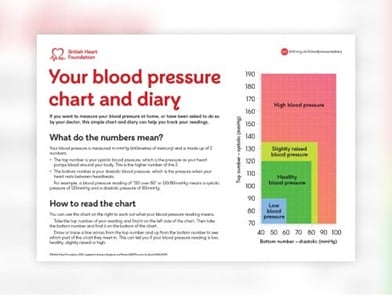
It’s important to check with your doctor or pharmacist before taking any other medicine while you’re taking an ARB.
There are certain foods and over-the-counter medicines you may need to limit or avoid if you’re taking an ARB. This is because they can stop your medicine from working properly or increase the risk of side effects.
This includes:
You should not take ARBs if you’re pregnant or breastfeeding. If you’re currently taking an ARB and you’re planning to get pregnant or you become pregnant, speak to your doctor.

We've followed an eight-step process to make sure this content is reliable, accurate and trustworthy.
Learn how we make our health content.
You may be having planned or emergency treatment. We explain what to expect, how it will help and what will happen afterwards.
This booklet can help you and your loved ones understand what high blood pressure is and how to make healthier changes to look after your heart health.
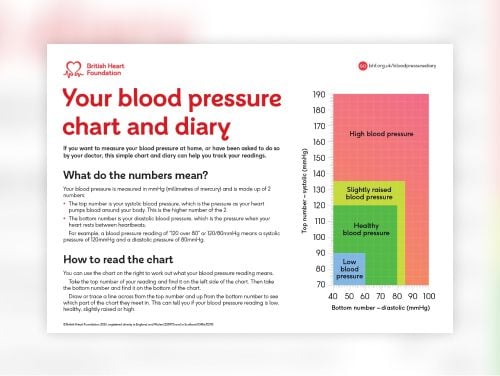
If you want to measure your blood pressure at home, this blood pressure chart can help you understand what your reading means.