

Tests
Tests are used to diagnose a heart condition or to see how healthy your heart is. Find out what to expect from some of the most common tests.
A CT scan uses X-rays to produce detailed images of the heart and the heart arteries, which the doctor can then see on a computer screen.
A CT scan is used to detect different types of cardiovascular disease and conditions, including coronary artery disease and problems with your aorta.
CT scans are painless and help doctors to diagnose you or check your progress with treatments.
There are 2 main types of CT scans for your heart:
A CT coronary angiogram is used to look at the heart, its arteries and any fatty deposits (plaques) that can develop within them.
Fatty deposits in your arteries can mean your heart is not getting the blood supply it needs, which can cause chest pain (angina) and heart attacks.
A CT coronary angiogram involves injecting a type of dye (called contrast dye) into your blood. The dye helps show your arteries.
Unlike a traditional angiogram, which involves inserting a catheter (a thin flexible tube) via the wrist or groin into the heart, a CT coronary angiogram is non-invasive. This means that there are fewer potential complications such as bleeding or bruising.
You may also be given some medicine to slow down your heartbeat, making it easier to take images.
This is a simpler CT scan of the heart. It does not provide detailed pictures of the heart or heart arteries but instead measures the number of fatty deposits (calcified or hardened plaques) in the heart arteries.
This is usually explained as a calcium score which provides an assessment of the number of fatty deposits in the heart arteries. The more fatty deposits you have, the higher your risk of a heart attack.
Unlike a CT coronary angiogram, a calcium score does not use a dye.
CT scans are not suitable for people who are pregnant because the scan can expose you to a small amount of radiation.
CT coronary angiogram is not suitable for:
The radiation levels associated with both CT coronary angiography and CT calcium scoring are low. Similar to the background radiation that people are exposed to over the course of a year.
However, because of this radiation, they should only be carried out only when necessary.

The day before and day of your CT scan you will need to:
You should be given information on how to prepare for your scan. This includes information on food, drinks, medicines and what to expect.
A CT scan takes around 10 to 20 minutes. The whole appointment should take around 30 to 60 minutes, including preparation time.
Before you begin the scan, you will need to remove your clothing, you will be given a hospital gown to wear during the scan. You may be asked to take medicine that slows down your heart rate.
Depending on the CT scan you’re getting, a dye (contrast dye) may be injected into your blood to show your arteries.
Your scan will be done by a healthcare professional called a radiographer. They will let you know what you need to do and answer any questions you have.
During a CT scan:
When your radiographer has the images they need, they’ll move the table back and you can leave the scanning room.
You can then put on your clothes and go home. You may need someone with you to drive you home if you were given medicine to relax.
You can return to eating and drinking as usual.
You will find out your results directly from the doctor or medical team managing your care.
You will be provided with your results at a follow up appointment or a report will be sent to you, usually 1 to 4 weeks following a routine outpatient appointment.
They’ll explain what results they found and what that means for your health.
It’s normal to feel worried about your heart scan. There are places you can go to for support and to talk things through:

We've followed an eight-step process to make sure this content is reliable, accurate and trustworthy.
Learn how we make our health content.
Tests are used to diagnose a heart condition or to see how healthy your heart is. Find out what to expect from some of the most common tests.

Find information on heart conditions, such as heart failure and arrhythmias. Our condition pages guide you through what your diagnosis means and treatments you may be offered.
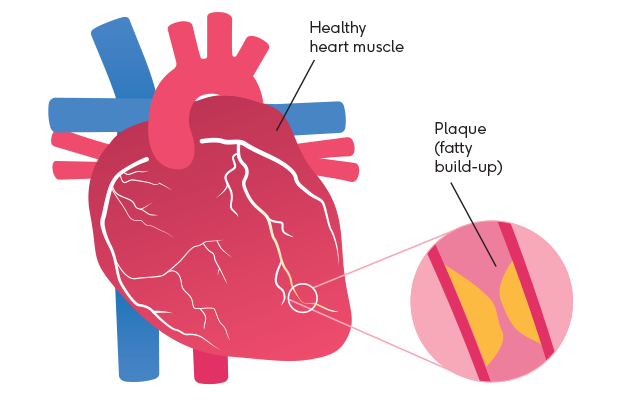
Coronary heart disease (CHD) is when the arteries that supply your heart muscle with blood become narrow.