

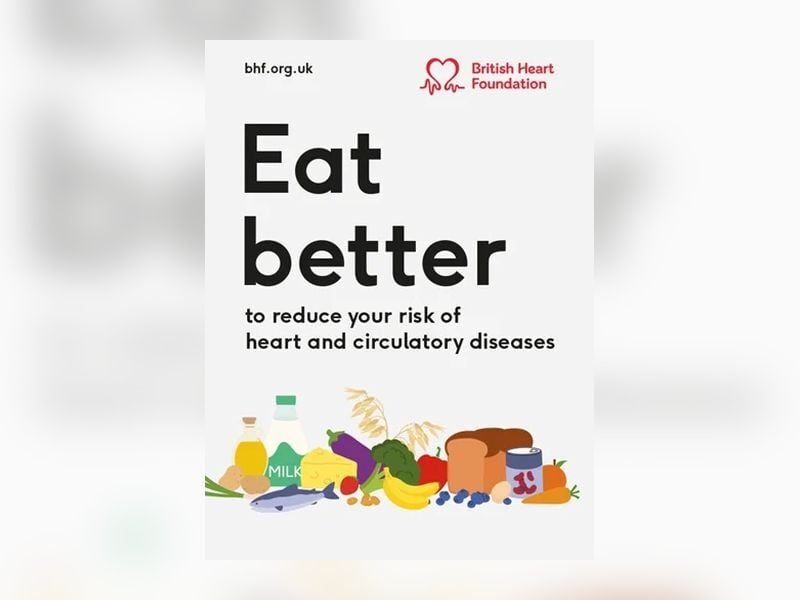
Eat better
Download or order our free booklet on eating better for a healthier heart. It has lots of simple swaps and tips for a healthier you.
Everyone goes through difficult or challenging times at some point in their lives, so it’s normal to feel worried or anxious sometimes. If these feelings won’t go away and keep affecting your day-to-day life, then it may be a mental health condition.
Many people in the UK will experience a mental health problem in their lifetime. Some common mental health conditions include:
If you’re worried about your mental health, you should discuss this with your GP. There’s support and medication available to help you live well. If you want to know more about mental health or get support, there are plenty of places you can go.
You’re more at risk of developing heart and circulatory diseases if you have a mental health condition. This is because parts of your lifestyle like diet, exercise, smoking, alcohol and managing health conditions are harder to look after. The good news is there are changes you can make to help lower your risk and improve your general health and wellbeing.
It can be hard to start and stay active, especially if you’re not feeling your best with your mental health. It can feel like a chore but doing just a small bit of exercise has been proven to boost energy and improve sleep and quality of life.
It’s also useful to think about what we mean by “exercise”. Getting active is simply about moving your body, whether you’re laying down, sitting down or standing up. There’s no need to run a marathon or go to a 6am spin class (unless you enjoy it). There are much simpler ways of getting active, like:
Before you start doing more physical activity remember to talk with your doctor first.
Watch Mind’s video on five ways to get moving and feel better.
Read about five easy ways to get active every day.
Your mental health condition may change the way you feel about food. This might be because shopping, cooking and eating can be hard to think about when you’re struggling with your mental health. Some medications can increase or decrease your appetite too. Either way, you may eat less, or you may eat more.
These changes to your eating habits can mean you lose or gain weight and that may not be good for your health. Eating well can help improve your sense of wellbeing and mood. It can also help you manage your weight, blood pressure and cholesterol levels, which can reduce your risk of developing heart and circulatory diseases.
If you’re worried that the medication you’re taking is affecting your weight, speak to your doctor.
Find some ways you can still eat well when you’re not feeling good on Mind’s food and mental health page.
Use our healthy eating toolkit to learn about the eatwell plate, portion guides and the recipe finder for healthy and delicious meal ideas.
With the stress, anxiety and other issues a mental health problem can cause, smoking can feel like a short-term relief. Over time, smoking will make your issues worse.
Smoking can also stop your mental health medication working properly. This means you may need to take a different dose of medication than if you didn’t smoke. So, when you quit or cut down on smoking, your doctor may adjust the dose you usually take.
Over the long-term, you’re at a higher risk of developing health problems such as lung cancer and heart and circulatory diseases if you smoke. Not smoking has huge benefits for your health and it’s never too late to give up. If you’re thinking about quitting or reducing your smoking, it’s a good idea to talk to your doctor first or go to support services to help you quit.
Learn more about smoking and your mental health.
Read our 10 tips to help you quit smoking.
Some people rely on alcohol when they have a mental health problem to help with issues like anxiety or sleeping. This doesn’t help, as drinking too much alcohol when you’ve been diagnosed with a mental health condition can make your underlying feelings worse. This is one of the reasons that many people get angry, anxious or unhappy when they drink.
Like smoking, alcohol can feel like a short-term relief, but it puts you at risk of serious health issues. This includes problems like abnormal heart rhythms, damage to your heart muscle and diseases such as stroke, liver problems, vascular dementia and some cancers.
When taking some types of mental health medication, you shouldn’t drink alcohol. It’s important you check this with your doctor.
Learn more on our alcohol page, including information on how much you should be drinking and tips on how to drink less.
Visit Drinkaware and find out about alcohol and your mental health, including issues like hangxiety, aggression and anxiety.
Other health issues like diabetes, high cholesterol and high blood pressure can be harder to manage if you’re struggling with your mental health. Living with health issues can also make your mental health worse.
Not taking care of your health issues or conditions can make you feel worse in the short-term and cause more serious problems in the long-term.
Learn about eight things you can do to help deal with your mental health and a physical illness.
Read more about risk factors such as diabetes, high cholesterol and high blood pressure and what you can do to manage them.
If you’re struggling with your mental health, it’s important to remember that you’re not alone. You can find support from healthcare professionals including your GP and by talking to your friends and family. Whether you need practical advice or a sympathetic ear, you can:

We've followed an eight-step process to make sure this content is reliable, accurate and trustworthy.
Learn how we make our health content.
Download or order our free booklet on eating better for a healthier heart. It has lots of simple swaps and tips for a healthier you.
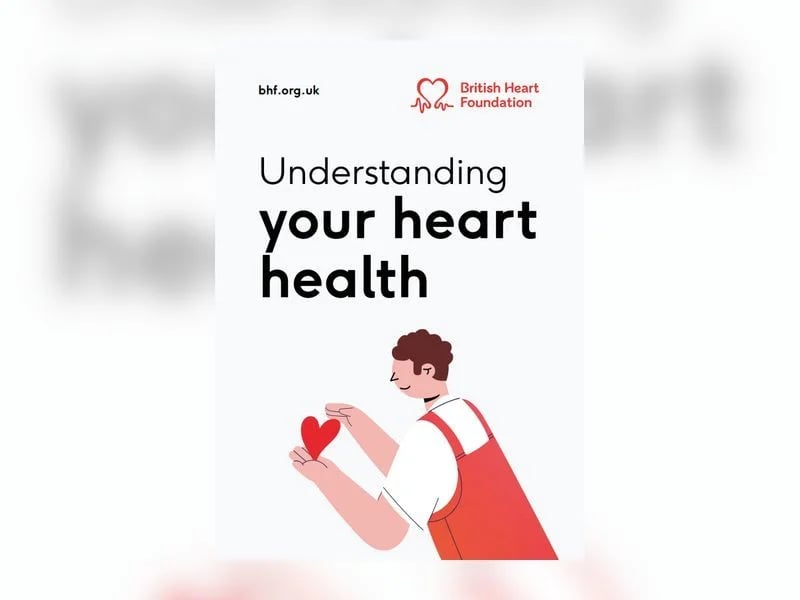
Download or order our free booklet on looking after your heart. It walks you through the best ways to look after your heart and your health, with easy swaps and manageable changes.
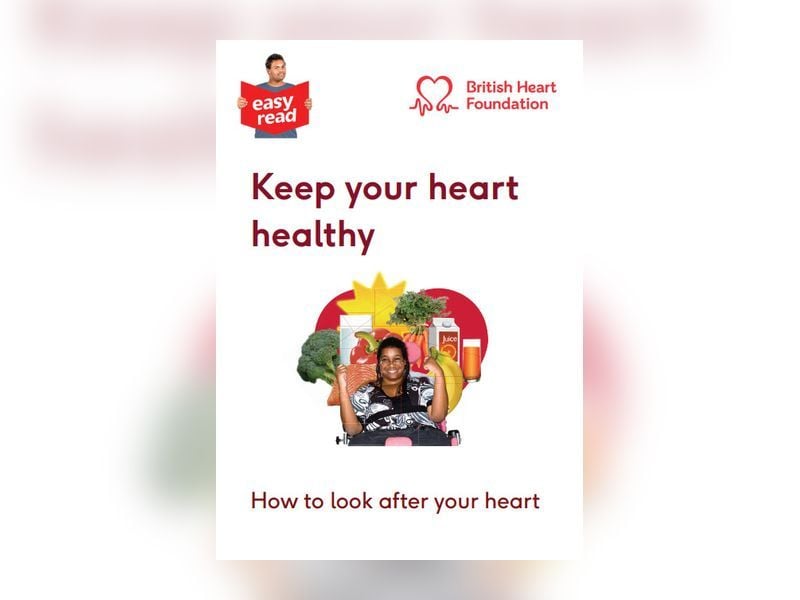
This easy read booklet tells you about how to look after your heart.