

Wellbeing
5 tips for a happy retirement

Clinical psychologist Professor Georgina Charlesworth explains that loneliness can affect your mental and physical health, including raising your risk of cardiovascular disease, and shares tips on how to build relationships with other people such as through volunteering, support groups and hobbies.


All of us feel lonely sometimes – in fact, according to the World Health Organisation, loneliness affects 1 in 6 people and up to 1 in 3 older people worldwide.
Loneliness is the feeling we get when we do not feel connected with other people in the way we'd like to be. It’s often caused by lack of contact with other people – an issue known as social isolation.
Feeling lonely can happen at times of change in your life, such as losing a loved one, or being separated from friends or family, which can mean losing close relationships and social networks.
Having a serious health event, such as a heart attack or a stroke, can also be isolating, especially if you’ve had to give up work or social activities.
However, loneliness is not just about being alone. People can still feel lonely even when they’re with other people.
For example, if you’ve been diagnosed with a health condition or you’re grieving, it can feel hard to talk to friends and family because you may feel they do not understand what you’re going through.
Feeling lonely can have a real impact on your mental wellbeing with research showing it’s strongly linked to an increased risk of depression.
Loneliness is also linked to unhelpful thinking patterns, such as rumination, which means thinking about the same thing over and over again.
However, loneliness and social isolation may affect your physical health too. Studies suggest it raises your risk of cardiovascular diseases, stroke, dementia, and type 2 diabetes.
For example, a review in BMC Public Health in 2025 of 6 studies covering almost 5.3 million people found that those experiencing social isolation or loneliness were 17 per cent more likely to develop cardiovascular disease over the following 4 to 11.3 years.
It also showed that those with a history of loneliness or social isolation had a 23 per cent increased risk of stroke.
Another study in Frontiers in Human Neuroscience in 2022 of 16 studies with around 62,000 people found that loneliness was linked with a 23 per cent increased risk of dementia and a 72 per cent increased risk of Alzheimer's disease.
While the exact causes are unclear, it’s thought that people who feel lonely may be more likely to self-medicate with habits that increase the risk of health problems, such as drinking too much alcohol or smoking.
Research also suggests that people experiencing loneliness or social isolation may have increased levels of inflammation, which can also raise your risk of cardiovascular disease.
A study in Nature Human Behaviour in 2025 of 42,000 people from the UK found those who reported loneliness or social isolation were more likely to have certain proteins in their body.
Most of these proteins were associated with inflammation, and around half were linked to an increased risk of cardiovascular disease, stroke, type 2 diabetes and death in study participants during 14 years of follow-up.
It can be hard to spot when you or a loved one is feeling lonely.
While the signs of loneliness vary between different people, you may feel:
Loneliness can also affect your confidence to meet new people and engage with them. You may turn down invitations to socialise, even when you feel lonely, because you feel worried or scared.
If you’re experiencing loneliness, there are a number of things you can do in the moment to help manage these feelings.
Speaking to someone on the phone is an easy way to feel more connected when you're alone.
Think about who you can call that will give you a good reception and leave you feeling lighter. This could be a friend, family member, or a support line:
In the long term, if you need more support, it may be worth talking to a psychotherapist or a counsellor about how you’re feeling.

When you’re on your own, it’s worth thinking about what gives you a sense of pleasure and connection and what brings you down.
For example, reading negative news stories, ‘mindless’ scrolling on social media, watching arguments on TV or listening to emotional radio programmes can all affect your mood.
Instead, think about what gives you a boost, whether that’s watching your favourite TV programme, listening to uplifting music, getting some fresh air in your garden or going for a walk.
When we’re feeling lonely, it can be easy to get into the habit of thinking about it over and over again, which can make you feel worse.
Practising mindfulness can help. Mindfulness is about paying attention to the present moment.
This involves tuning into your thoughts and emotions and noticing how they affect you without judgement and without trying to change them. It can be a useful alternative to dwelling on the past or future.
Try to acknowledge how you feel without letting it weigh you down.
If mindfulness, relaxation or meditation are new to you, it is best to practise them at times when you’re feeling ok. It’s hard to try them for the first time when feeling stressed or upset.
One of the best ways to cope with ongoing loneliness is to meet new people through shared interests and activities.
Meeting new people can feel scary and it’s normal to feel overwhelmed, especially if you’re going somewhere where people already know each other.
Take things one step at a time.
Do something small and manageable first, whether that’s picking up an old hobby, joining an online forum, or attending an event with someone you already know.

When you’re at an event, find someone who can introduce you to other people. You could even reach out to the host or organiser beforehand and ask if they'd be able to make some introductions.
Try not to put pressure on yourself to build an entire new social network immediately. Focus on making one new connection at a time and seeing what that leads to.
Why not take up a hobby or pick up an old one?
Starting something new can seem a bit daunting, but there are plenty of organisations that can help you get you going:
Staying physically active can help you look after your heart and spend time with people at the same time.
Health walks are free guided walks at a comfortable pace designed to help people get more active.
Find one near you on your local county website, The Ramblers website if you live in England or Wales, Walking Scotland for groups in Scotland or Walking for Health if you live in Northern Ireland.
Team sports are another great way to meet up with people on a regular basis, no matter your level of fitness.
Lower intensity sports include boules, table tennis, and walking versions of popular sports like football or netball.
If there’s a charity or organisation you support, volunteering can help you get out of the house and meet new people.
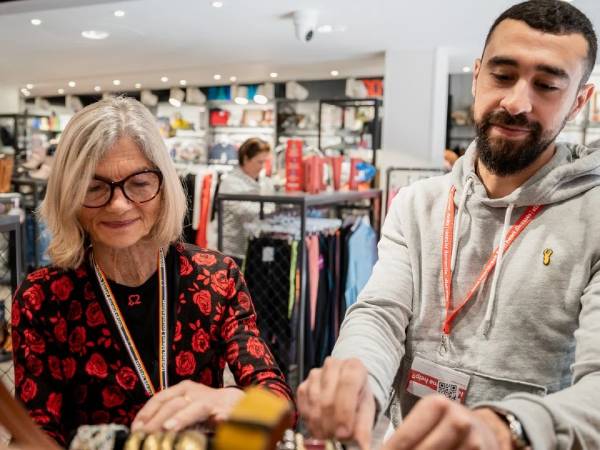
It can also help you feel a greater sense of purpose. Research shows that this is associated with a lower risk of loneliness.
There are plenty of ways you can get started, including volunteering in a charity shop, at a fundraising event or for a support line.
Many people with heart conditions, and those caring for loved ones with them, find in-person and online support groups helpful because they’re a chance to speak to people in the same boat.

Lots of organisations can connect you with someone to talk to on a regular basis.
Befriending Networks has an online directory of telephone, online and in-person befriending services across the UK for people of all ages.
If you’re over 60, you can sign up for Age UK’s Telephone Friendship Service to be matched with a telephone friend for a weekly phone call.
Or, if you’re over 75, Re-engage also have a regular call companion service, as well as a rainbow call companion service for LGBTQ+ people.
If you’re feeling lonely or isolated, your GP or nurse may be able to refer you to free social groups or community events to improve your health and wellbeing.
This is called ‘social prescribing’ and can be offered to people of all ages.
Over the last few years, millions of people have been referred to social prescribing services. You can ask your GP about social prescribing services in your area to find out more.
If someone has been newly diagnosed with a health condition, or has had a serious health event, it can change the way others treat them.
For example, if they’ve had a heart attack, people may stop inviting them out because they’re worried they’re not well enough. Family members might say, “Don’t worry about coming to the shops with me, you just sit and rest.”
But although it’s well meaning, this can leave people feeling isolated.
So, even if you’re not sure whether they’ll be up for something, it's still worth checking with them.
And if previous activities or hobbies are no longer an option, you can try to find new things you can do together.

If a friend or family member feels less confident in social situations, you can offer to go with them.
For instance, if someone has lost their partner and finds it tough to go to events by themselves, they may find it reassuring if you go with them.
If they’re feeling nervous at the event, you can let them know that you’ll stay by their side and will not leave them on their own.
If a loved one stops accepting invitations to go out and socialise, there may be other barriers that are stopping them:


