Wellbeing
How to stay motivated in winter

Discover 9 healthy winter dinner recipes from wholesome main meals to warming desserts. Plus, BHF Senior Dietitian Tracy Parker shares practical, cost-saving tips for winter food.

Want a healthy meal to fill you up come dinner this winter? Why not try one of these easy recipes? From hearty mains and soups to warming winter desserts, this is comfort food that supports your health.
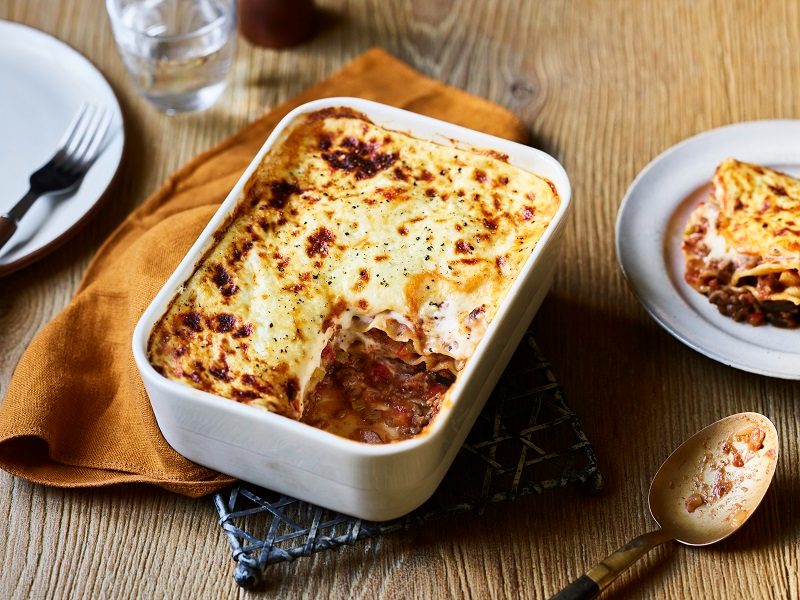
This lighter lasagne is big on flavour, not on fat. Made with lean mince, extra veg and a creamy low-fat sauce, it’s heart-friendly, satisfying and easy to make. Serve with a green salad to up your 5-a-day and get some added fibre.
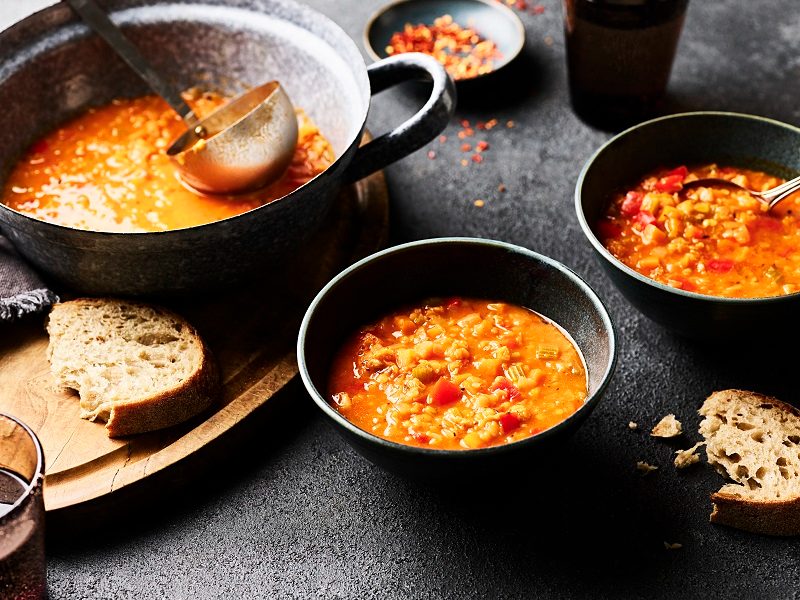
Warm up with this hearty soup that’s bursting with veggies and pulses that count toward your 5-a-day. At just 208 kcal per portion, it’s low in salt and high in fibre and flavour. If you have any leftover, pop it in the freezer for a quick and easy meal anytime.
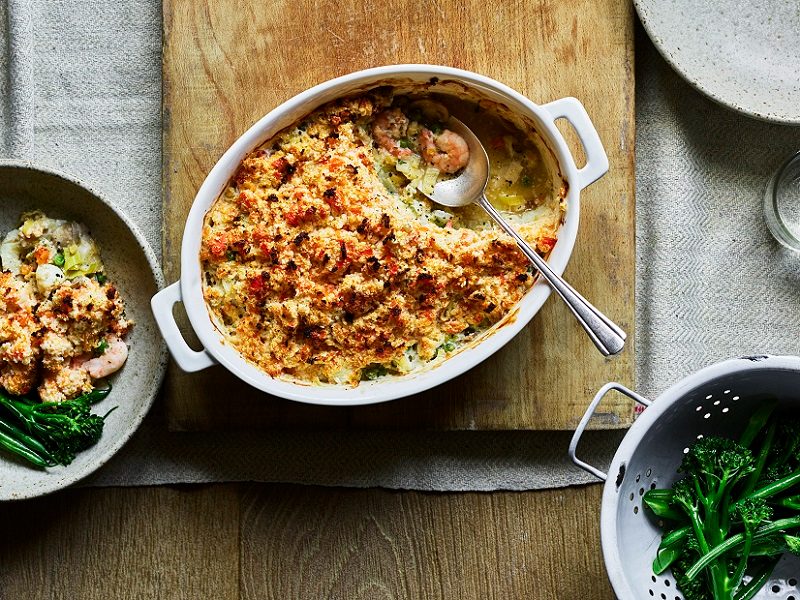
This fish pie is a heart-healthy twist on a classic and will help towards to the 2 portions of fish we’re recommended to eat each week. To get the extra benefits of omega-3 you can swap the white fish for an oily fish, like salmon. Using cornflour and skimmed milk for the white sauce makes it lower in fat than traditional versions, plus it’s freezer-friendly.
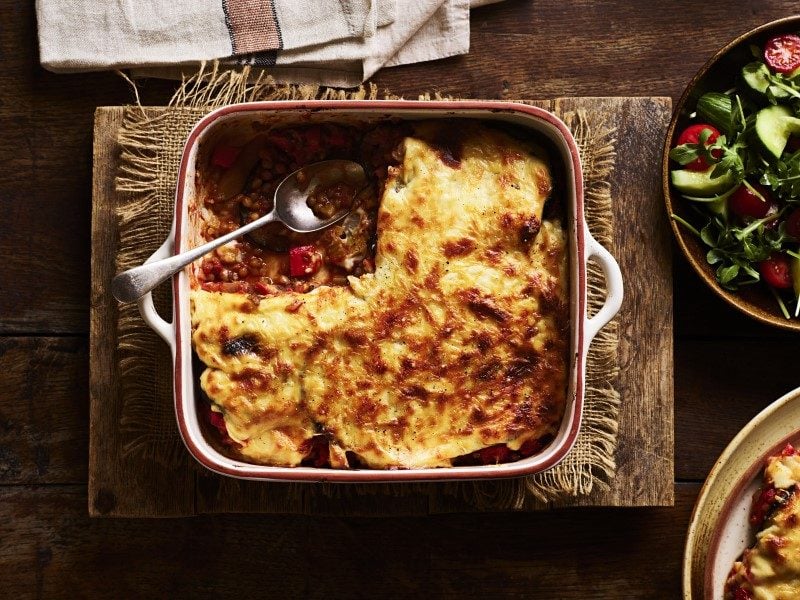
Enjoy a lighter take on a classic with this vegetable moussaka – layered aubergine, tasty tomato sauce and a creamy topping made with reduced-fat cheese. Instead of using lamb, which tends to be high in saturated fat, we've used lentils as a healthy source of plant-based protein and fibre.

This lighter pie swaps fattier ingredients like bacon and chicken thighs, for lean chicken breast and mushrooms, helping reduce saturated fat that can raise cholesterol. Combined with fibre-rich veg and a creamy low-fat sauce, it’s a wholesome, heart-friendly dish that’ll warm you up on winter nights.

When you fancy a dish that’s warming and aromatic, go for this healthy biryani recipe that’s ideal for colder evenings. Using a little vegetable oil for frying instead of ghee, and lean chicken for protein keeps this meal low in saturated fat, helping you to manage your cholesterol. Fragrant spices also give this recipe fantastic flavour without needing to add salt, meaning you can help keep blood pressure in check too.

Some days you can’t beat a true comfort food classic like this pasta bake. We’ve made it healthier than traditional versions by swapping out high saturated fat ingredients like butter, milk and cheese for ones lower in saturated fat like reduced-fat spread, semi-skimmed milk and reduced-fat Cheddar. These clever swaps mean you can still enjoy a comforting, cheesy classic while helping to keep your cholesterol levels healthy.

For a delicious, heart-smart winter dessert this crumble hits the spot. Oats provide soluble fibre to help lower cholesterol, while apples and blackberries add fibre, antioxidants and vitamins. With less saturated fat and sugar than traditional recipes, it’s a comforting, fruity treat that supports your health without sacrificing flavour.

We’ve put a healthy spin on an old favourite with this recipe for baked egg custard. Using semi-skimmed milk and a smaller amount of sugar than traditional versions helps keep saturated fat and calories low. Eggs provide protein, helping you to feel satisfied, while nutmeg adds a gentle warming spice.

When you have flu, it’s important to keep eating and drinking, even if you don’t feel like it.
Use your store cupboard and freezer to keep a store of meals that are easy to cook and prepare, just in case.
Just make sure you check the nutritional information of any pre-prepared foods. Go for low-saturated fat, low-sugar and low-salt versions whenever possible.

Boost your 5-a-day by mixing mashed potato with other vegetables like parsnips, carrots, turnips or cauliflower.
If making stews or soups, add in any frozen, canned or leftover veg you have at home to help bulk out your meal with healthy ingredients.
You can also try swapping meat from stews and soups with lentils for plant-based protein.

The cold weather and long nights can increase the temptation to comfort eat in the winter. Try these 6 heart-healthy comfort recipes for warm and filling meals that are also good for you.
If you're craving a snack between meals, try a cup of homemade vegetable soup or a bowl of stewed fruit to fill the gap.
Almost any leftover vegetables can be made into soup, perhaps with a tin of cannellini or butter beans to make it more substantial.

Planning ahead can help you make sure you’re eating a healthy, balanced diet, while minimising the chance you'll buy takeaway or waste food in the fridge.
To help get you started, we've got 6 top tips for eating healthily on a budget.

If you find it difficult to get out and about when it’s cold and icy, try an internet shop to get the bulky heavy items brought to your door.
If you do not have internet access, some supermarkets also take orders by phone.
Getting out is important though, so try to do this whenever you are shopping for a few small items and you do not have heavy bags to carry.

Do not be afraid of using frozen fruit or vegetables – they are just as nutritious as fresh (sometimes more) and will last well in the freezer so there’s no waste.

When you're trying to eat well, having a list of go-to meals that are exciting and nutritious can help keep you on track.
We've got healthy recipes to cover you for every meal of the day.

When spending more time indoors during colder months, there is a temptation to keep grazing and snacking during the day. If you’ve had a larger lunch, keep dinner light but warming. Vegetable soup paired with a small sandwich or sardines on wholegrain toast with sliced tomato are great options.

A well-stocked cupboard makes healthy eating easier and makes it less likely you’ll rely on ready meals. Stock up on wholewheat pasta, brown rice, couscous, tinned fish, beans, pulses, and frozen or tinned vegetables. Add spices like chilli or curry powder for extra warmth and flavour. These staples allow you to create healthy, comforting meals quickly, even on busy winter evenings.
Have you followed any of the tips in this article? Or do you have a healthy tip to share? Email your thoughts and any photos for a chance to be featured in the next magazine.