Eat well
Is porridge good for you?

BHF Senior Dietitian Tracy Parker explains how to get more fibre in your diet to reach the recommended 30g a day and shares some high-fibre snacks and breakfast ideas.


Dietary fibre is an important part of a healthy, balanced diet. It’s a type of carbohydrate only found in foods that come from plants, including:
You might see some foods labelled as ‘high-fibre foods’. This means they contain at least 6g of fibre per 100g.
Fibre keeps your digestive system healthy and prevents constipation. A high-fibre diet has also been linked to a lower risk of cardiovascular disease, type 2 diabetes and obesity.
According to the UK Government’s guidelines, adults should eat 30g of fibre a day. However, only 4 per cent of people in the UK are getting the recommended amount.
Fibre supplements and powders are often advertised as an easy way to increase your intake. However, they can cause side effects such as digestive discomfort and do not have the same nutritional value as high-fibre whole foods like fruits and vegetables.
The good news is that there are plenty of ways to get more fibre in your diet without relying on supplements. Here are 7 ways to get started.
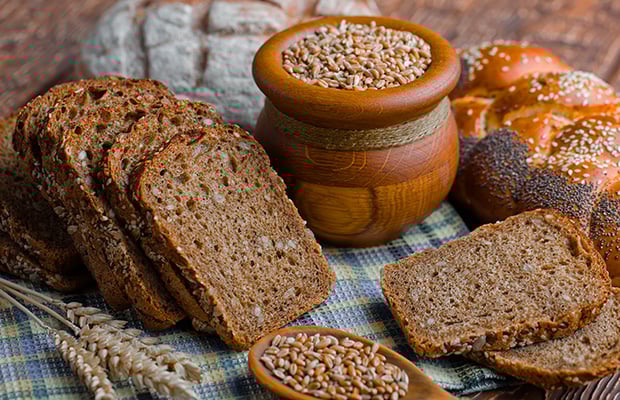
Wholegrains contain more fibre and other healthy nutrients than refined grains because they still have their fibre-rich outer shell (the bran).
Swapping refined grains for wholegrains is an easy way to eat more fibre:
| Refined grains | Wholegrain alternative |
|---|---|
| White rice | Brown rice, quinoa, freekeh, bulgur wheat or pearl barley |
| White bread |
Wholemeal, wholewheat or wholegrain bread |
| White pasta or noodles |
Wholewheat pasta or noodles |
| Refined cereals, such as cornflakes or puffed rice |
Oats, wholewheat cereals or wholewheat biscuits |
| White rice cakes | Oatcakes or wholegrain rice cakes |
Experts generally recommend eating at least 3 portions a day, so try to include wholegrains with most meals.

Highly processed snacks like crisps or biscuits are low in fibre but high in sugar, salt and saturated fat.
Instead, choose a high-fibre snack made from whole foods to keep you feeling full and energised until your next meal, whether that’s a piece of fresh fruit or one of our recipes:

Start your day with a bowl of porridge (or overnight oats) made with low-fat milk or water for a high-fibre breakfast that’s low in calories and saturated fat.
A 40g serving of oats provides around 3g of fibre, or around 7.5g per 100g. Add fresh fruit, nuts and seeds such as flaxseeds or chia seeds to your bowl for extra fibre.

No-added-sugar muesli, bran flakes and wholewheat cereals or biscuits are another good source of fibre if you’re not a fan of porridge.
Or, if you prefer a savoury breakfast, try wholegrain toast with avocado or baked beans.
Fruits and vegetables provide many important nutrients, including fibre, which is why the World Health Organization (WHO) recommends eating at least 5 portions a day.

Fresh, frozen and canned all count. One portion is around a handful (80g), or a heaped tablespoon (30g) of dried fruit.
It’s best to eat a variety of fruits and vegetables, as different types contain different combinations of fibre, vitamins and minerals.
While a small glass (150ml) of juice does count as 1 of your 5-a-day, juicing fruit and vegetables removes most of their fibre and increases their sugar content.
Try to eat unpeeled fruit, vegetables and potatoes, as their skins often contain more fibre, nutrients and protective plant chemicals than the flesh.

Instead of removing the skins, rinse your produce before you eat or cook with it to get rid of any dirt or pesticide residue.
You can even set aside leftover peelings to enjoy on their own as a snack, such as homemade vegetable crisps or baked potato skins.
Pulses – such as beans, lentils and peas – are a great source of protein and fibre, which leaves you feeling fuller for longer. An 80g portion (around 3 heaped tablespoons) also counts as 1 of your 5-a day.
Add lentils, chickpeas or kidney beans to your next soup, stew, curry or salad for an instant fibre boost, or use hummus (which is made from chickpeas) instead of butter in a sandwich.

Baked beans count too, but can be high in sugar and salt, so choose no-added-sugar (or reduced-sugar) and reduced-salt varieties.
Unsalted, plain nuts are another healthy high-fibre snack. Nuts can also be high in calories, so stick to a small handful (30g) if you’re trying to manage your weight.
Nut butters like peanut or almond butter contain fibre too – 2 tablespoons (30g) of peanut butter comes with around 2g. Make sure to choose brands that contain 100 per cent nuts, and have no added salt, sugar or palm oil.

Seeds – such as chia seeds, flaxseeds, pumpkin seeds and sunflower seeds – also provide fibre and healthy unsaturated fats.
Try adding a handful of nuts or seeds to breakfasts, salads or desserts for an extra serving of fibre.