


Information and support
If you have questions about your heart health or want reliable information about managing a condition, we're here to help.
Angina, sometimes called angina pectoris, is a symptom. It’s a pain or an uncomfortable feeling when blood flow to your heart is reduced. It's not dangerous but it can be a sign of heart problem like coronary heart disease.
It's usually felt in your chest. Some people feel the pain in their arm, neck, stomach, back or jaw.
There are several types of angina including:
This is the most common type of angina. It tends to happen when your heart works harder, such as when you’re walking uphill, and goes away when you rest.
You’ll usually know when it’s likely to happen and the pain or discomfort is similar to what you’ve had before.
Stable angina lasts 5 minutes or less, and improves if you rest or take your medicine.
Unstable angina can feel different to your normal angina symptoms. It can happen even when you’re resting. Unstable angina feels more severe and lasts longer. Your symptoms might not improve when you rest or take medicines.
If your symptoms do not improve when you rest or take medicines, you should call 999 immediately.
Also known as coronary artery spasm or Prinzmetal’s angina, Vasospastic angina is rare. It can happen during the night when you’re resting, when a coronary artery supplying blood and oxygen to your heart goes into spasm and narrows or tightens, and lets less blood through.
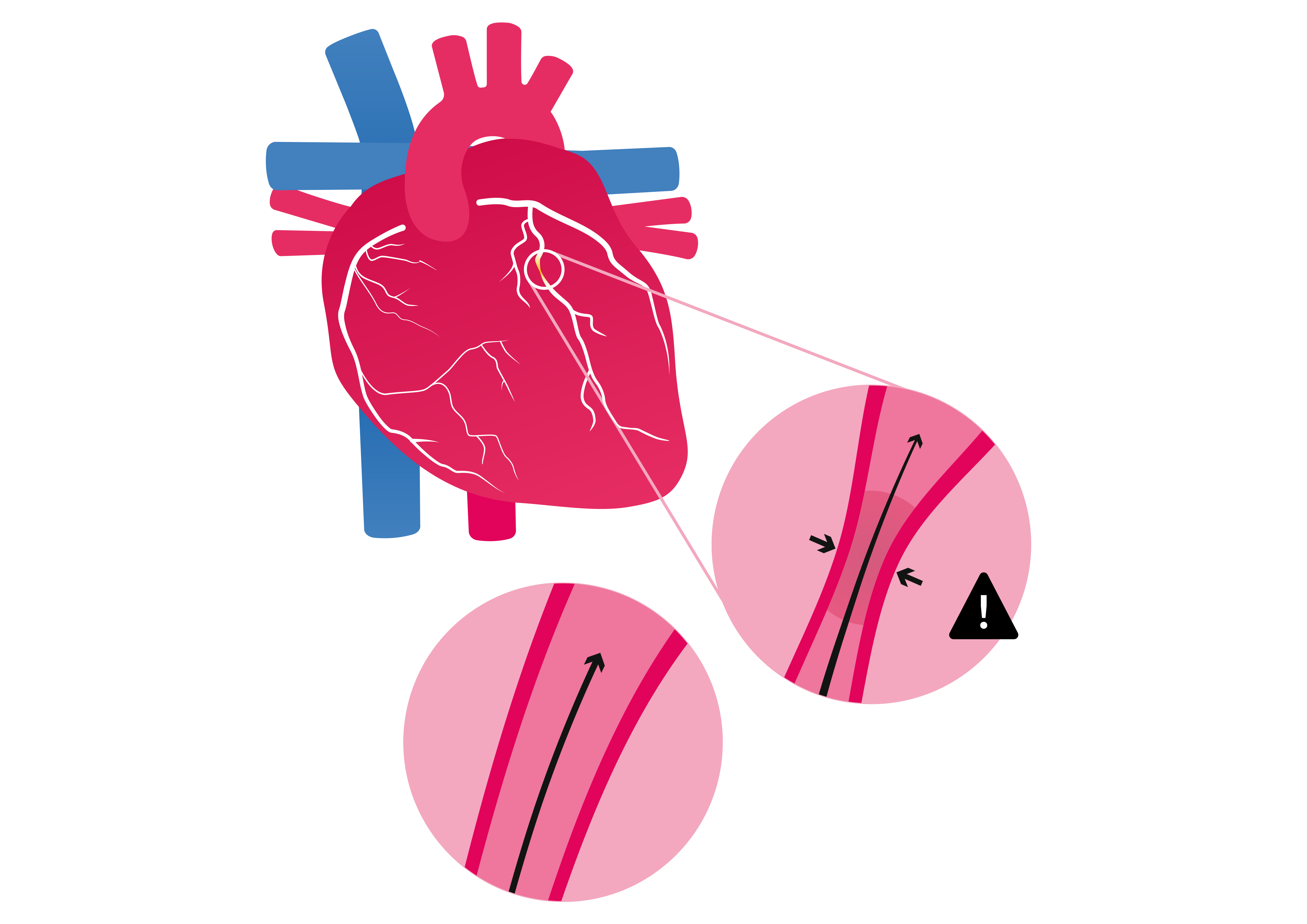
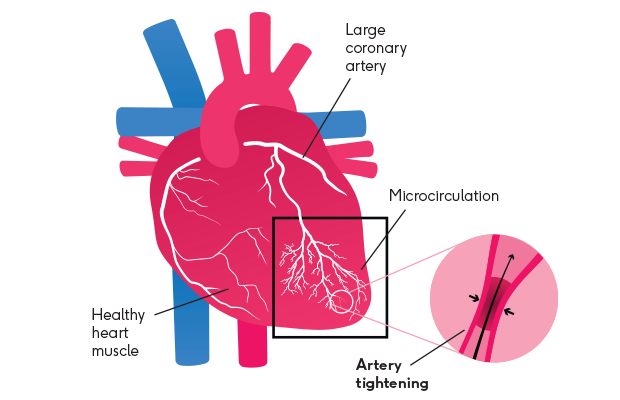
Microvascular angina (also known as cardiac syndrome X) usually happens when you're under physical pressure, like when you're exercising, or you’ve been stressed or anxious. The pain is often caused by spasms in the smallest coronary arteries restricting blood flow.
Angina feels different for everyone. It can feel like pressure, tightness or squeezing in your chest. This can feel painful or like a dull ache. You might also feel it in your shoulders, arms, neck, jaw, back or stomach.
Other symptoms of angina can include:Both men and women can experience the same symptoms of angina. These include ‘classic’ chest pain, and pain in the jaw, arms, shoulders, neck, back or tummy.
But in general, women are more likely than men to develop:
Knowing all the symptoms will help you get the treatment you need quickly.
If you experience any of these symptoms, speak to your doctor as soon as possible.
Eating a big meal can trigger angina symptoms. Sometimes people confuse angina with indigestion. If meals are making your angina worse, try having smaller portions, more often throughout the day.
The most common cause is coronary heart disease. This is when the arteries that supply your heart muscle with blood and oxygen are narrowed by a fatty substance called plaque. It means less blood flows to your heart muscle and can cause angina symptoms.
There are common triggers for angina pain, like:
The symptoms usually stop after a few minutes. Panic attacks or feeling anxious can cause chest pain. If you experience this, it isn’t angina. Anxiety isn’t caused by a problem with your blood flow, whereas angina is.
There are several risk factors that can increase your risk of coronary heart disease and angina. They include:
No, angina is not an inherited condition.
It won’t be found in a genetic test. But if your grandparents, parents, siblings or children have angina then you have what’s called a strong family history of the condition. This can increase your chance of developing a heart condition that could cause angina too.
Find out more about family histories of heart conditions and how you can reduce your risk.
Your doctor may be able to tell whether you have angina from your symptoms. Or, they may want to do a health check or send you for some tests such as:

Medicine, such as nitrate sprays, patches and pills may help control your symptoms. Your doctor might also suggest you take medicine to reduce your risk of a heart attack or stroke.
Some people need treatments such as a coronary angioplasty where a special kind of balloon is gently inflated to open a narrowed artery. Many people also have a type of mesh called a stent inserted to keep the artery open.
Heart bypass surgery may also be an option.
Simple lifestyle changes may help reduce your symptoms of angina, improve your overall health and reduce your risk of a heart attack in the future.
Your doctor will prescribe you medicine that will improve symptoms and help your heart to function better. But a change in lifestyle will help prevent more fatty substance called plaque forming in your arteries and improve your symptoms of angina.
Try our lifestyle tips to see some improvements:
Living an active lifestyle is also really important to help stop your underlying coronary heart disease from getting worse. Your doctor or nurse can tell you if you need to make any other changes to your routine or specific lifestyle changes.
Many people with angina have a good quality of life and continue as usual. If you need more information or just want to talk to someone, we’re here for you:
We also have information on Angina available in Arabic, Bengali, Gujarati, Polish, Punjabi, Romanian, Urdu and Welsh.

We've followed an eight-step process to make sure this content is reliable, accurate and trustworthy.
Learn how we make our health content.
If you have questions about your heart health or want reliable information about managing a condition, we're here to help.
Download or order our free booklet on looking after your heart. It walks you through the best ways to look after your heart and your health, with easy swaps and manageable changes.
This booklet can help you and your loved ones understand what angina is, how it's treated and how to live well with angina.