


Tests for heart and circulatory conditions
Tests are used to diagnose a heart condition or to see how healthy your heart is. Find out what to expect from some of the most common tests.
Pericarditis is when your pericardium (the protective sac that surrounds your heart) is inflamed. Inflammation is your body’s way of fighting against things that could harm it, such as infections or injuries, so that it can heal itself. When your pericardium is inflamed it can cause symptoms that can affect your daily life.
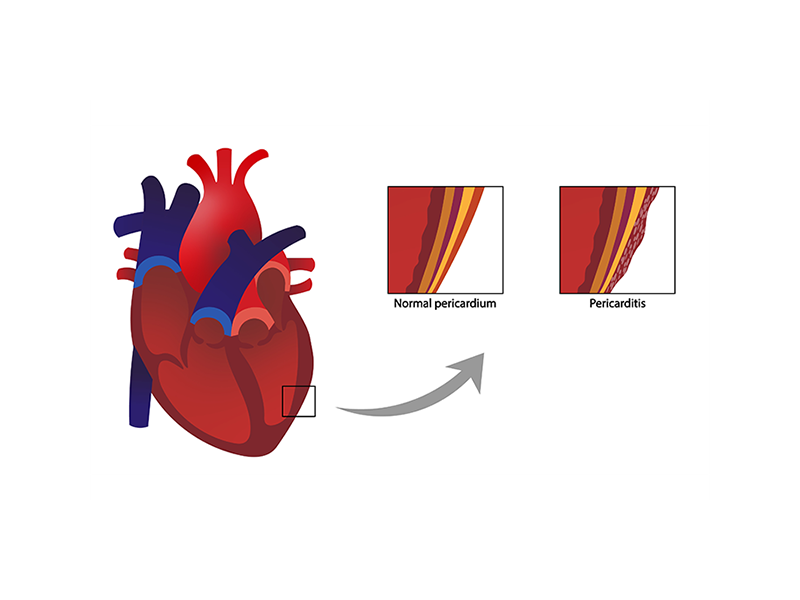
Pericarditis can sometimes happen together with myocarditis (inflammation of the heart muscle) and they have similar symptoms. If you have both pericarditis and myocarditis, this is sometimes known as myopericarditis.
If you’ve been diagnosed with pericarditis or think you might have symptoms of pericarditis, it can feel worrying. But pericarditis is not usually a serious condition.
Other pericarditis symptoms include:
Getting diagnosed and treated early can help you feel better and lower the risk of long-term complications from pericarditis, so speak to a doctor if you have these symptoms.
You should call 999 immediately, if:
Pericarditis is most commonly caused by:
More rarely pericarditis can be caused by:
Read more about pericarditis and Covid-19 vaccines.
Sometimes it isn’t possible to know the cause of pericarditis. This is known as idiopathic pericarditis. This can be frustrating and difficult. There is support available to help you manage your condition and your mental wellbeing – find out how we can help.
Pericarditis can be hard to diagnose. Your GP will listen to your chest because pericarditis can change the sound it makes.
You may also have tests such as:
You may also have a cardiac MRI or CT scan.
These tests are very common, don’t take long (sometimes just a few minutes), and most people don’t feel any pain or discomfort when having them.
How your pericarditis is treated will depend on what is causing it. Treatments for pericarditis may include:
Rarely, if pericarditis symptoms continue and get worse, a pericardial window may be recommended. This is surgery which drains the inflamed lining surrounding the heart.
Your doctor will discuss treatments and explain which one is right for you. Some people find it useful to think about questions they’ll ask before an appointment and write these down on paper, or on their phone, so they don’t forget to discuss them with their doctor. Questions you might find helpful to ask your doctor include:
Living with pericarditis chest pain can be difficult, but there are things you can do to help ease the pain and feel better. They include:
Have a chat with your doctor about how to manage your pain and what to do if it’s not getting better.
If the pain suddenly gets worse and lasts more than 15 minutes, or you have any new symptoms, this could be a heart attack, so call 999 immediately.
Most people recover from pericarditis within a few weeks, but for some it can take several months.
Dealing with ongoing pericarditis symptoms can be tough, but it is possible to live a normal life with the right support – find out more about what emotional support is available.
If you have pericarditis, you might find the pain or anxiety about the symptoms is making it harder for you to sleep at night. Some top tips to help you fall asleep and get back to sleep if you wake in the night include:
Depending on how serious your pericarditis symptoms are and what kind of work you need to do, you may need to take time off work.
If you’re not well enough to go to work, or if work is holding up your recovery, you can get a “fit note” (Statement of Fitness to Work) from your GP, so chat to your GP about this.
It can feel difficult to talk to work about taking time off, or you may be worried about whether you’ll get sick pay.
Get answers to your questions about work and a heart condition, whether you’re employed, self-employed, or a temporary worker.
Find out about financial help you may be able to get from the government if you’re dealing with long-term ill health. You can also get free and impartial advice about managing your money from moneyhelper.org.uk and find out about benefits and other sources of financial support at turn2us.org.uk.
Pericarditis can affect anyone, even people who had good health beforehand. If you have pericarditis, your body needs time to rest and recover. Chat to your doctor about when and how you can return to exercise.
They can talk to you about the type of exercise that will be safe for you to do. It’s usually recommended that you avoid high-intensity exercise for at least three months, but there might be other activities you can do instead.
Being diagnosed with pericarditis and living with pericarditis symptoms can feel overwhelming so we are here to help.


We've followed an eight-step process to make sure this content is reliable, accurate and trustworthy.
Learn how we make our health content.
Tests are used to diagnose a heart condition or to see how healthy your heart is. Find out what to expect from some of the most common tests.

You may be having planned or emergency treatment. We explain what to expect, how it will help and what will happen afterwards.

Being diagnosed, or living with a heart or circulatory condition can be overwhelming, but we're here to help.