


Arrhythmias
Having an arrhythmia or abnormal heart rhythm means your heart is beating too fast, too slow or in an irregular pattern. Learn about symptoms, diagnosis and treatment for arrhythmias.
Cardioversion is a treatment used to get your abnormal heart rhythm (also known as arrhythmia) back to a normal pattern.
There are two types of cardioversion; electrical cardioversion and pharmacological cardioversion (also known as chemical cardioversion).
Pharmacological cardioversion is done using medicine. You may swallow the medicine or receive it through an intravenous infusion (also known as an IV). An IV is when medicine is directly injected into your veins.
Chemical cardioversion can work in minutes, hours or even days.
Electrical cardioversion is done using an external defibrillator to send controlled electric signals to your heart through electrodes (or sticky pads) placed on the chest. It is sometimes called DC cardioversion or direct current cardioversion.
Cardioversion is usually planned in advance. But sometimes it may be done in an emergency setting if the symptoms are severe.
For most people, cardioversion restores their heartbeat to normal.
Your doctor may recommend you take blood thinners for a few weeks even if you do not have any blood clots.
If you are still breathless after cardioversion, tell your doctor immediately. You should also speak to your doctor if your other symptoms before the procedure come back.
There’s a chance your heartbeat will not be corrected by cardioversion and that your arrhythmia comes back. If this happens, your doctor may recommend you have the procedure again. Usually after a few cardioversions, they’ll recommend a different treatment.
Complications after cardioversion are rare but there may be some temporary side effects such as:
If you have any questions or worries about side effects, speak to your doctor.
Electric cardioversion is different from typical defibrillation, an emergency procedure that is done when the heart stops. The shocks used in defibrillation are more powerful than those used in DC cardioversion.
Your doctor will give you detailed instructions on what to do before your cardioversion. They may ask you to avoid eating on the day of your procedure.
Attend your appointment with little or no jewellery as they will ask you to take it off. You should also avoid applying any oil or lotion on your chest.
Continue your regular medication as usual unless your doctor asks you to stop
In some cases, you might need to have a transoesophageal echocardiography test before your cardioversion procedure to check for blood clots in your heart.
During an electrical cardioversion procedure:
The procedure usually lasts a few minutes.
Speak to your healthcare team if you have any worries or questions about your procedure.
Have a look at the below video to find out what happens during a typical cardioversion procedure:

After your procedure, you will be closely monitored until the anaesthetic has worn off. It is normal to feel sleepy and some tenderness on your chest.
Your doctor or nurse will discuss the results of the cardioversion with you. You will likely go home the same day.
In the first 24 hours after your procedure, you should not drink alcohol, drive, or operate heavy machinery.
Ask your doctor if you should continue with your medication as usual or if you need to make some changes. It is also important to ask when you can go back to work and when to start exercising again.

We've followed an eight-step process to make sure this content is reliable, accurate and trustworthy.
Learn how we make our health content.
Having an arrhythmia or abnormal heart rhythm means your heart is beating too fast, too slow or in an irregular pattern. Learn about symptoms, diagnosis and treatment for arrhythmias.

Learn more about the causes, symptoms, diagnosis and treatment of atrial fibrillation (AF), one of the most common types of abnormal heart rhythm and a major cause of stroke.
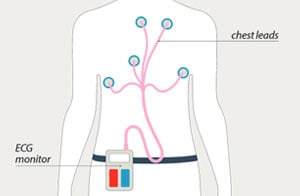
If you experience heart rhythm problems, or symptoms such as dizzy spells or blackouts, your doctor may suggest you have one of these tests. Find out more.