Wellbeing

How to deal with anxiety when you have a heart problem
It’s normal to experience anxiety if you have a heart problem. Dr Katie Murray, NHS Clinical Psychologist, gives her expert tips on how to ease the symptoms and get treatment and support.
Published:

Published:
What is anxiety?
Anxiety is a natural human response to stress or things that we think are dangerous. We usually experience anxiety as a feeling of constant worry or fear.
When faced with a stressful or threatening situation, our brain sends signals to release hormones including cortisol and adrenaline. These hormones make us more alert and ready to act quickly by increasing our heart rate and directing blood flow to key areas of the body.
Most of us will experience feelings of anxiety from time to time.
This fight-flight-freeze response can be helpful when there’s genuine danger, such as avoiding oncoming traffic. But it can also act like a faulty alarm system, triggering distress even when there's no real threat.
Most of us will experience feelings of anxiety from time to time, especially in threatening situations or when facing difficult problems, including health problems. But when anxiety lasts for a long time or is overwhelming and gets in the way of our everyday lives, it might be turning into an anxiety condition.
What is the difference between stress and anxiety?
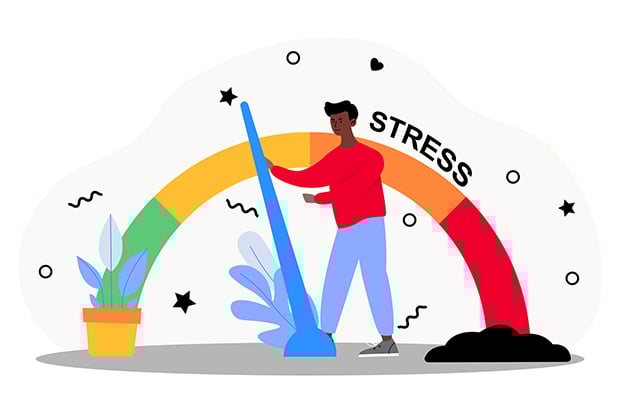
‘Stress’ and ‘anxiety’ are terms that are often used to mean similar things but they have some differences.
Stress is typically caused by an external trigger, such as high work demands or a health problem. It tends to be short-term and reduces when the threat has passed. Anxiety can be caused by both external and internal triggers, such as your own thoughts, and it can continue even when there is no obvious trigger.
Cardiac anxiety and cardiophobia: what are they?
Both cardiac anxiety and cardiophobia are conditions that involve a fear of heart problems, but there are some differences between them.
Cardiac anxiety is a more general term that means worrying about heart problems. People who have cardiac anxiety have usually experienced a heart problem, like a heart attack, or been diagnosed with a heart condition. It can also happen if someone has witnessed another person having a heart attack.
Cardiophobia is a more severe, specific anxiety disorder. It involves an intense and persistent fear of having a heart attack or other heart problems, even when medical tests show that the heart is healthy. People with cardiophobia will keep worrying that something is wrong with their heart and may ask for help again and again, even though doctors have told them that nothing is wrong.
People with cardiac anxiety and cardiophobia might check their heartbeat many times a day.
Cardiophobia can happen to people who have had a heart problem in the past, even if they’ve fully recovered. But it can also affect people who have never had any heart issues.
People with cardiac anxiety and cardiophobia might check their heartbeat many times a day and mistake normal changes or symptoms – like those caused by stress or anxiety – for signs of a heart problem. This can lead to panic attacks, causing a vicious cycle. Because of their fears, people may avoid things like exercise or stressful situations, which can limit their daily life.
Causes of anxiety in people with heart problems
Anxiety in people with heart problems usually stems from a combination of biological, social and psychological factors, but it can be triggered by or worsened by specific health experiences.
If you’ve had a heart attack, for example, you may worry about it happening again. If you have a pacemaker or ICD (implantable cardioverter defibrillator), you may be worried about getting a shock from your device or if it will work properly.
The sudden diagnosis of a heart problem can itself be a huge shock and leave you feeling vulnerable. You may find it hard to come to terms with your diagnosis, especially if you have previously thought of yourself as a healthy person.
Recovering after heart surgery can also be a challenging time. You may feel pain and fatigue afterwards and this can lead to worries about the surgery not being successful.
You may have had a traumatic experience in hospital, particularly if you spent time in an intensive care unit (ICU), and you may have nightmares and memories of these experiences.
Other worries that can develop into anxiety include the fear of dying and leaving family behind or worrying about getting back to work and supporting yourself financially.
Being diagnosed with a heart condition or experiencing a heart problem like a heart attack can change how you think about yourself. You may see yourself as weak or vulnerable and worry about how others may view you.
Common symptoms of anxiety
Frequent feelings of nervousness, dread and fear.
Worrying and catastrophising
One of the key symptoms of anxiety is feeling worried a lot of time and getting caught up in your thoughts imagining worst-case outcomes (this is also known as catastrophising).
Feeling irritable
You may find that you have a short temper and lose your patience quickly when talking to family or friends.
Physical symptoms
When we’re experiencing anxiety, the body’s fight-flight-freeze response can cause physical symptoms.
Common physical symptoms include:
- heart palpitations or an increased heart rate
- dry mouth
- nausea
- dizziness
- rapid breathing
- sweating
- sleep problems
- trouble concentrating
- changes in appetite
- bowel problems like diarrhoea and constipation.
Other physical symptoms may include:
- rashes on your skin or worsening of existing skin conditions like acne and eczema
- teeth grinding
- increased tension in our bodies (often around the shoulders).
Behavioural symptoms
You might feel a strong urge to avoid or get away from situations you find stressful. This could mean avoiding going to hospital appointments, or avoiding watching TV programmes, like hospital dramas, that could remind you of the heart problems you’ve experienced.
You may also avoid doing anything that could raise your heart rate, like exercise, or being in situations where you might be asked about your heart condition, like seeing friends.
Or you may feel like seeking reassurance by doing things like checking your pulse or blood pressure frequently, feeling like you always need another person around you, or visiting your doctor very often.
Difficulty sleeping
You may find it hard to get to sleep because you are worrying, or you might wake up in the night feeling anxious, particularly if you have had a heart event at night-time.
Exhaustion
If you have been experiencing long-term anxiety, you may feel very tired out. In some cases, if anxiety is left untreated for a long time it can affect the immune system. This means you may be more likely to suffer from colds and viruses.
How to reduce feelings of anxiety immediately?
Different methods will work for different people. So give yourself time to explore a few of the different techniques listed here and notice which ones are most helpful for you. When feeling overwhelmed, grounding techniques help to bring our attention back to present moment and relaxation techniques help to calm us.
1. Grounding with senses
When you’re feeling overwhelmed, grounding practices, like the 5-4-3-2-1 technique, can help bring your attention back into the present moment by engaging your senses. To try this technique, begin by naming:
- 5 things you can see
- 4 things you can feel or touch
- 3 things you can hear
- 2 things you can smell
- 1 thing you can taste.
Physical grounding exercises, such as pressing your feet firmly into the ground or holding a cold object in your hand can also be helpful.
2. Dropping anchor
This is a mindfulness technique with 3 parts to it:
- Firstly, take time to acknowledge any difficult feelings you may have instead of trying to push them away.
- Secondly, try to connect with your body by focusing on how your feet feel on the floor, or by getting up and gently moving around the space you’re in.
- Thirdly, engage with the present moment by noticing what’s going on around you. Focus on what you can see and hear to give a sense of stability and bring you back to the present moment.
3. Distraction
Distraction can give some comfort from anxiety and help break unhelpful thought patterns. Try calling a friend, turning on the radio or playing some of your favourite music. You could also try getting outside and going for a short walk to change the environment you’re in.
4. Calm breathing
Techniques like box breathing and diaphragmatic breathing can help calm you by encouraging you to take slower, deeper breaths.
To try diaphragmatic breathing:
- Imagine your stomach is like a balloon inflating as you breathe in and deflating as you breathe out.
- Place one hand on your chest and the other on your belly, focusing on expanding your belly while keeping your chest relatively still.
- As you breathe in, allow your belly to expand so you’re breathing from your diaphragm (the dome-shaped muscle that sits below your lungs and above your stomach) rather than your chest.
- Hold this for a few seconds and then breathe out slowly while tensing your abdominal muscles.

5. Muscle relaxation
If you do not find it helpful to focus on your breathing, try progressive muscle relaxation:
- Start by sitting on a chair or on the end of your bed.
- Tense all the muscles in your toes and feet and gradually work your way up the body holding this tension as you go.
- Tense your legs, the middle part of your body, arms, and keep going right up to your shoulders, neck and face.
- Hold for 10 seconds.
- Release and notice if this has helped reduce any tension in your body.
If you have recently had surgery or have chronic pain, speak to your doctor before trying this technique and stop if you experience any discomfort whilst doing it.
Managing anxiety over the long term
Here are some ways to help manage anxiety while you’re waiting for treatment or alongside it:
1. Practicing relaxation techniques
Regularly practicing techniques like deep breathing and grounding over the long-term can sooth the nervous system, helping to ease anxiety and make it feel more manageable.
2. Understanding your triggers
Keeping a diary of your anxiety triggers and thoughts can help you to identify and manage them. Note down when you feel most anxious and what’s going through your head at the time. By doing this regularly it may help you to find patterns or themes in your triggers.
3. Challenging negative thoughts
When you feel calmer, look at the diary you’ve kept or try to remember what thoughts have been making you feel most anxious. Notice if any are ‘worst-case scenario’ thoughts, where your mind has jumped to the worst possible outcome, and try to gently challenge these. For example, is there another way of viewing this? Am I overestimating the chance of something terrible happening?
4. Setting aside time to worry
Setting aside a specific time to focus on your worries can help prevent them from taking over your day. Try to note down your worries as they arise, either in a notebook or on your phone. Then pick a time that suits you, perhaps after dinner or later in the day, and give yourself about 20 minutes to focus on them. Try to problem-solve any concrete problems and let go of worries which you do not have any control over.
5. Making lifestyle changes
Getting enough sleep, eating a healthy diet, exercising regularly, and doing enjoyable activities can all improve your overall wellbeing in the long-term. Other changes that could help you feel calmer include reducing caffeine and alcohol, getting out into nature more often, meeting up with friends, and even watching your favourite funny films.
Building helpful habits into your routine can make it easier to live a healthier lifestyle. Spending more time doing the things you enjoy, like your favourite hobbies, can also help.
6. Tackle behaviours that are keeping you stuck
It may be helpful to see if you can gradually reduce any reassurance seeking or avoidance behaviours, as this can help to break the cycle of anxiety.
For instance, if you usually check your pulse rate multiple times a day, make a note of how many times you do it. Then set yourself a goal to reduce the number of times you are checking by a small amount each week.
If you’re avoiding going out for a walk by yourself, you may want to set yourself a goal of walking a very short distance and then returning home. If you feel comfortable with that distance, you could try extending it by a small amount next time and continue gradually increasing the distance each time.
Think carefully before using health monitoring devices, like fitness watches or health apps on your phone. For some people, these can make anxiety worse.
Treatment for anxiety
Anxiety is usually treated with talking therapies like Cognitive Behavioural Therapy (CBT), which helps change unhelpful thought patterns and behaviours
For more severe anxiety, a combination of therapy and medication might be used. People can access treatment through their GP, cardiac rehab nurse, or by self-referring to talking therapies.
Why is it important for people with heart conditions to seek treatment for anxiety?
It is very common and normal for anxiety to be higher after experiencing a heart event, and for many people anxiety will lesson over time as you recover and get back to normal life. However, if anxiety persists and is interfering with your everyday life, it’s important to seek help.
If left untreated, long-term anxiety can have a harmful impact on your mental and physical health. It can limit daily activities, affect relationships, disrupt sleep, and lead to unhealthy behaviours that increase the risk of heart disease.
The stress hormones that our body releases when experiencing anxiety can affect the heart and circulatory system by temporarily increasing your heart rate, blood sugar, blood pressure and cholesterol levels. When this ‘fight or flight’ stress response keeps being switched on again and again, over time this can take its toll on the body.
More research is needed to better answer if long-term anxiety can lead to heart problems, but we can say that there is a link between the two.
Asking for help with anxiety can feel a bit scary at first, but doing so is a powerful step toward feeling better and taking care of your future health and wellbeing.
More information and support
- If you have questions about your heart health, contact our heart helpline to speak with one of our cardiac nurses via phone, email or chat.
- Visit Mind or call their helplines for mental health support.
- Visit Anxiety UK, a charity that offers support for anxiety.
- Visit Samaritans, or call their helpline 24/7 for immediate support.
- Join our online community on Health Unlocked to talk to other people with heart conditions.
What to read next...