Understand health
Are heart attack symptoms different for men and women?

If you have a heart or circulatory disease you might be wondering if you can still go on holiday abroad safely. Here’s our guidance on how to have a healthy trip.

If your heart condition is stable, with a bit of preparation a holiday can be a great way to rest and relax. If you’ve had a heart attack, the time it takes to recover varies from person to person. Your GP can advise you on whether you are well enough to travel, what medicines to take and what vaccinations you might need. They can give you a letter explaining your heart condition and treatment, which you can take with you. You can also download the NHS app, so your medical information is on hand in an emergency.
The first step of planning any holiday is deciding where to go. Some countries might be more suitable for you than others, depending on your condition and your preferences. You might want to avoid places that are very hot, cold, humid, or at high altitude as this may lead to lower blood pressure or breathing difficulties. You might also want to steer clear of places that are very crowded, noisy, or polluted, as they can cause stress and discomfort. Also, check your destination has good medical facilities.
You can go to hot countries, but you should take extra care in extreme temperatures, as this can put added strain on your heart. If you are somewhere hot, try to sit in the shade between 11am and 3pm, when the sun’s rays are at their most powerful.
It’s easy not to notice the strength of the sun when there’s a sea breeze blowing, so remember to wear a hat and sun cream at all times. If you can, adjust your body clock so you can enjoy a siesta in the afternoon and stay up a bit later in the cooler hours. It works for the locals!
Travel insurance is essential if you have a heart condition. It can cover the cost of medical care, emergency transport, or cancellation fees if something goes wrong.
Having a heart condition doesn’t mean you can’t get travel insurance, but it makes the process more complicated. Make sure you speak to your GP before you start looking, as insurers will often ask for detailed information about your medical history.
Make sure you declare your heart condition and any other pre-existing health issues when applying for cover, as making a mistake or forgetting to include something on the form could result in a claim being refused. And read the policy carefully to see what’s covered and what’s not.
If you’re trying to find insurance, the government’s money advice website, MoneyHelper, has a travel insurance directory that could be a good place to start. The Association of British Insurers may also be able to help if you’re struggling to find travel insurance.
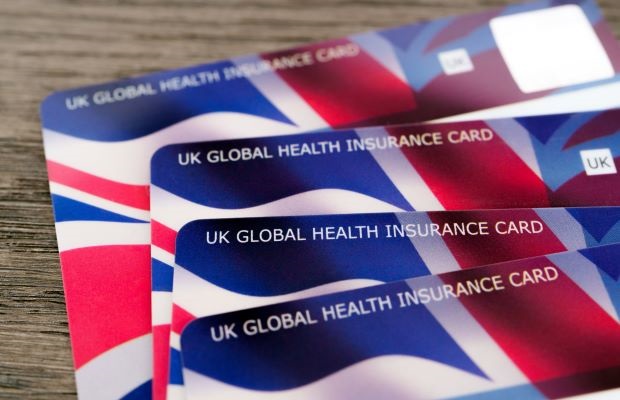
A Global Health Insurance Card or GHIC allows UK citizens to get free or cheaper healthcare in countries with shared agreements.
Making sure you have plenty of medication for your holiday is easy with a bit of careful planning. Before you travel ask your GP to write a prescription that will last through your holiday. You should have enough of every medicine for the duration of your trip, plus some extra in case of travel delays or emergencies.
If you use a medical device such as a blood pressure monitor, you should take it with you, along with batteries, chargers and adapters. Bring the card or bracelet that goes with any device, such as a pacemaker, for when you go through security scanners. Pack your medicines, devices and copies of your prescriptions in your hand luggage so they’re always with you.
It’s a good idea to make a list of your medication, including the brand and generic names, and keep this list in your hand luggage. You could take a copy of your prescription, too.
If your medication needs to be refrigerated, ask your pharmacist how to keep it cool while you’re on the move.
Your doctor will advise you if you need to wear compression stockings when you fly. They reduce the risk of blood clots in your legs called deep vein thromboses (DVTs), which can move through the body and cause a heart attack or stroke.
Doing regular leg stretches and circling your ankles when seated is advised, as is moving around the plane whenever possible to help blood circulate around your body.
Make sure your room is comfortable, clean and quiet. You might want to ask for a room that’s close to the lift, reception, or emergency exit, in case you need help. You might also want to check where the nearest pharmacy and hospital are.
It’s easy to become dehydrated when you’re not in your usual surroundings. Dehydration happens when you lose more water through sweating than you take in. This can increase your heart rate and lower your blood pressure.
So, make sure to drink lots of water, and avoid alcohol and sugary drinks. If your doctor has put you on fluid restriction because of your heart condition, check the maximum amount of fluid you can drink over 24 hours while you’re abroad.

Holidays are a great time to enjoy physical activity like walking, swimming and cycling. But be careful not to overdo it, especially in hot or dry weather. Stick to exercising in line with your fitness levels and your doctor’s advice.
Travelling can be stressful and tiring. Planning your trip using these tips will help reduce your stress levels. But, even with careful preparation, holidays can come with unexpected frustrations.
If you find yourself in a stressful situation, try to relax by:
You may be having a fantastic time and feeling great, but do not ignore any chest pain, shortness of breath, dizziness, or palpitations. If you have any of these symptoms you should seek medical attention immediately.