Eat well
Are smoothies good for you?

It's easy to become dehydrated without even realising it. Learn about the signs of dehydration and discover 5 top tips on drinking enough water.

Water is essential for our survival. Most people can only live without it for a few days, which is not surprising given water makes up two thirds of the human body.
Dehydration is the term used when the body lacks enough water to work properly. If dehydration is allowed to continue it can lead to serious health problems, including heart conditions. Read on to learn about the signs of dehydration, the benefits of staying hydrated, and top tips for drinking the recommended 6 to 8 glasses of fluid a day.
Dehydration can be mild, moderate or severe, depending on how much water the body is lacking. An early symptom to look out for is thirst, which is your body’s way of telling you that you need to drink water or other fluids. Another sign is when your pee becomes darker than usual.
Other signs of dehydration include:
When you notice these signs, it’s important to start drinking more fluids - this can be water or other healthy drinks – so you can correct any dehydration.
However, there are times when dehydration is so serious that the only way to correct it is by going to hospital and being treated with a ‘drip’ that quickly puts fluid directly into your body. Seek medical advice if you experience the following symptoms of severe dehydration:
Anything which triggers the body to lose more water than usual, or to take in less water than we need, can cause dehydration. These include:

Yes, untreated severe dehydration can cause problems in your heart and circulatory system, as well as many other organs.
When you are dehydrated, there is less blood travelling around the body. This can lead to low blood pressure, dizziness and fainting. In response, the heart may start beating faster (tachycardia) to help move blood around the body. You may experience this as a racing, pounding heartbeat in your chest, called palpitations.
Dehydration can also thicken the blood, increasing the risk of blood clots and heart attacks.
Staying hydrated is important for your overall health and wellbeing. This is because a properly hydrated body helps oxygen and nutrients get where they are needed. Water also helps to lubricate certain parts of the body, such as the joints.
Here are just a few of the benefits of getting enough fluid:
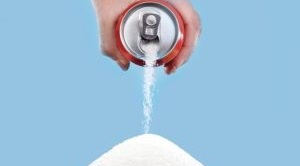
Possibly. Drinks can be high in calories, for example, fruit juice, sugary fizzy drinks and energy drinks. But water does not contain any calories at all. So if you swap your sugary drinks for water, this can help you to lower your overall energy intake, which is important for weight loss.
There is less certainty about whether drinking water can affect your appetite. Although studies have looked at this, they tend to be small and done over short periods of time. So we can’t say for sure that this is a helpful strategy for weight loss.
When it comes to staying hydrated, the Eatwell Guide recommends that we drink 6 to 8 glasses of fluid every day.
Water is a cheap and healthy choice, but other fluids count as well, such as lower-fat milk, sugar-free drinks, tea and coffee. Fruit juice and smoothies are typically high in sugar, so the the Eatwell Guide recommends drinking no more than one small glass (150ml) per day with a meal.
Use phone alarms or apps to remind yourself to have drinks regularly throughout the day. You can also create a habit by linking having a drink to certain activities. For instance, you could drink a glass of water as soon as you wake up, right before each meal, while watching TV, or on your morning commute.
You can also make a habit of drinking whenever you’re with people. When you sit down with someone, for instance, make it a rule to always have a jug of water or a pot of tea on the table. At work, share your goal of staying hydrated and encourage colleagues to take regular water breaks with you.
Some people find water plain and prefer flavoured drinks. There are many ways to infuse water with natural flavour. You could add slices of fruit such as lemon, cucumber, or berries.
Another way to make hydration more enjoyable is by investing in a nice water bottle. If you enjoy using it, you’re more likely to keep it beside you and take regular sips. Choose one with a design and colour you find appealing.
High-water foods are not only hydrating, they’re often packed with nutritional goodies too. Cucumbers, celery, lettuce, watermelon, strawberries, and tomatoes are loaded with water but also contain fibre, vitamins and minerals.
When you sweat in hot weather or have diarrhoea and vomiting, you can lose more fluid than you take in. In these situations, it’s important to start rehydrating as soon as you can.
Keep drinking until your pee is pale and clear, which shows you are well hydrated. If you still feel sick, try taking small sips of water. If you have had severe diarrhoea or vomiting, you may also need to replace the salts, minerals, and sugars you may have lost along with the fluids. Speak to a pharmacist about what products may help in this situation.