


Wellbeing
10 ways cardiac rehabilitation can help you live a better life
A cardiac rehabilitation programme can help you get back to being able to enjoy life to its fullest. We explain the different ways it can help.
Published:

Published:
Holidays, achievements at work, an active life involving loved ones; if you’ve had a heart attack, surgery or other heart event you may be worried about whether you can do some or all of all of those things again. A cardiac rehabilitation programme can help you get back to normal. It can be just as important as your medicines, to see you on your way to recovery.
1. It will help you fight stress

Your cardiac rehab team can help you to monitor stress and show you ways to manage it, such as relaxation techniques or suggesting yoga and other activities. Stressful situations can lead to adopting unhealthy lifestyle choices such as eating the wrong types of foods, smoking or drinking excess alcohol; all of which are harmful to your heart.
It’s important to talk your family or friends when feeling anxious, low or bad-tempered, and going to a cardiac rehab programme has been shown to help reduce anxiety and depression. If you continue to feel low or depressed, speak to your GP.
2. Getting away from it all

No one will blame you for needing a holiday after you’ve been through a heart event. It can give you the chance to rest, unwind, and recover from any emotional and physical stress. Your cardiac rehab team or doctor can help you know when it’s ok for you to go away, fly, sail, hike or whatever type of holiday you’re looking for – or whether you need to adjust your plans.
- Get information about going on holiday with a heart condition.
3. It’s bringing sexy back

Cardiac rehabilitation can give you the confidence to start building up to physical activity or exercise, including sex. It’s normal for you and your partner to have concerns about keeping up an active sex life if you have a heart condition. Loss of sex drive is not uncommon after illness and some men may experience impotence, due to stress or medications.
Talking to your cardiac rehab team or doctor can help you find a safe solution. You can also get advice about when to resume an active sex life, if you haven’t already.
- Read more about sex and heart disease.
4. Getting active

Many people feel worried about getting active again after a heart attack or surgery, but done in the right way this can help your recovery and help you feel like you’re back to normal. Cardiac rehabilitation will allow you to exercise in a supported environment with professionals on hand to help.
Regular physical activity can help you become independent again more quickly. Your team may show you how to check and record your heart rate. This information will help you and the staff to recognise if you’re doing too much too soon.
5. Regain your title as domestic god or goddess

After heart surgery, activities like vacuuming might be challenging. Your cardiac team will help to advise you on building up your strength, fitness and general wellbeing. Depending on your personal situation, you may be encouraged to start slowly and gently, from washing up to light dusting. Your team can advise you on how much you should be doing, to avoid risk of pain or injury.
6. Getting back to work

You may feel like your heart event has made your working life difficult or impossible, but many people will be able to get back to their job after treatment for a heart condition. How soon you return will depend on the treatment you’ve had, your recovery and the kind of work you do.
Your programme will help you feel confident about returning to work – whether your job is physical or not. Many employers will allow staff time off to continue taking part in a programme, which is a vital part of recovery.
7. Increase your support network
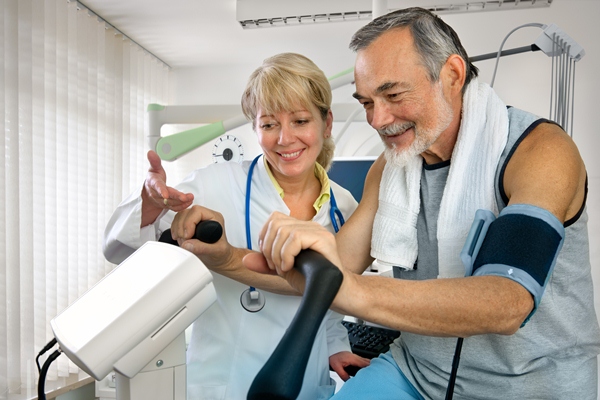
A cardiac rehab programme can give you support and information to make lifestyle changes to reduce risk factors and protect your heart in the future.
Your rehab team may include a cardiologist, specialist cardiac nurse, physiotherapist, exercise specialist, occupational therapist, dietitian and psychologist. Though you may not see all of these professionals, you will have access to information and support to get you back to yourself.
8. Set your loved one’s mind at ease
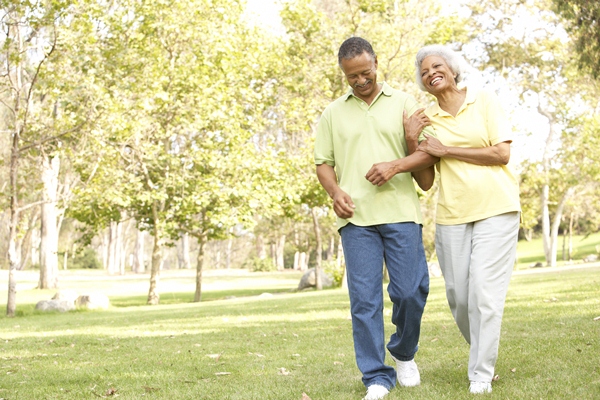
You can bring a partner or family member with you, giving them a chance to ask questions and feel reassured. They may also benefit from talking to other carers. Having the support of an informed loved one can help you to feel understood and well looked after.
9. Meet more people like you

Sometimes your friends and family won’t understand what you’re going through as well as someone who has been through the same thing. It can feel isolating. Knowing you can talk to like-minded people with shared experiences can be extremely valuable.
10. It can be fun!

Taking an hour or two, once or twice a week to meet as a group and focus on your health and wellbeing doesn’t have to be a chore. Cardiac rehab is also a chance to get active, meet new people, make new friends and learn lots of new ways to maintain your heart health. After a heart problem, having fun and laughing again is an important part of recovery.
- Watch our video on Cardiac Rehabilitation.
- Find out all you need to know about Cardiac Rehabilitation.
Related Publications