Eat well
Watch: What are free sugars?

Is diabetes caused by eating too much sugar? Does a diagnosis mean you can never have chocolate, cake or biscuits? Our BHF Senior Dietitian shares the facts behind common diet myths.


Type 1 diabetes is not caused by diet or lifestyle choices.
It happens when the cells in the pancreas that produce insulin, the hormone that controls blood sugar, are attacked by the immune system.
We know that eating too much sugar does not directly cause type 2 diabetes but you are more likely to get it if you are living with excess weight or obesity.
A high-sugar diet can lead to weight gain, increasing your risk of diabetes.
It's recommended that adults consume a maximum of 30g of free sugars per day (about 7 level teaspoons).
But UK adults are eating double this, on average, so most of us could benefit from cutting down on sweet treats, choosing sugar-free drinks and checking ingredients lists for added sugars.
Chocolate, cakes, sweets and biscuits contain free sugars.
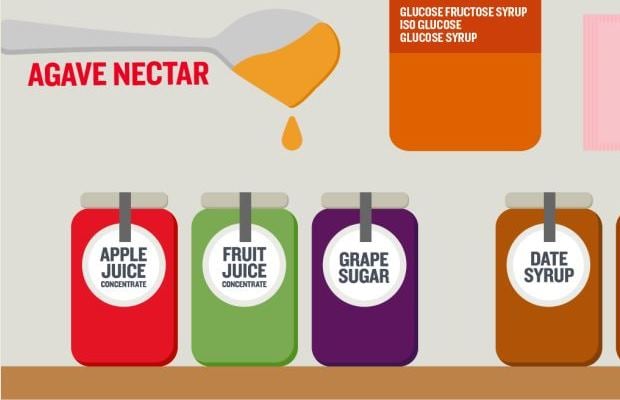
This is sugar that is added to foods or drinks, either by food manufacturers (like sugar in biscuits) or us (like sugar in tea) and includes honey, syrups, smoothies and fruit juice.
It is this type of sugar that we all need to cut down on as it can lead to weight gain and make it difficult to manage your blood sugar if you have diabetes.
It’s fine to enjoy the occasional slice of cake or biscuit as part of a healthy balanced diet but stick to small portions and check food labels to choose mainly green (low) or amber (medium) colour codes for sugar.

What are free sugars?
Yes. Whole fruits contain natural sugar.
This is not the same as the free sugar found in cakes, biscuits and chocolate.
Because fresh fruit is mostly water and fibre, it fills you up and provides you with lots of important vitamins and minerals for relatively few calories.
However, fruit juice is high in free sugar and comes without some of the benefits you get from eating whole fruit. The juicing process breaks down the fruit’s structure, releasing sugars and removing the fibre.
Focus on eating whole fruit as part of your 5-a-day and limit fruit juice and smoothies to a maximum of 150ml per day, because they raise your blood sugar more quickly than whole fruit.

If you have type 2 diabetes and you eat a lot of sugary foods, it will make it difficult to control your blood sugar levels and your weight.
This makes it harder to control your symptoms and over time, the damage to your blood vessels throughout your body puts you at greater risk of developing cardiovascular disease (CVD) and diabetes complications with the eyes, feet and kidneys.
It is not possible to reverse type 2 diabetes permanently, but some people are able put it into remission, which is when your blood sugar levels return to a normal range without medication.
If you are living with excess weight or obesity, the key to putting diabetes into remission is weight loss.
Cutting out or eating less free sugar may help you to lose weight, combined with a healthy balanced diet, but remission is not possible for everyone.