Eat well
100 calorie snacks

The shops are full of ‘healthy’ snacks like protein bars, fruit and nut bars, popcorn and rice cakes. But how healthy are they really? Our Senior Dietitian Victoria Taylor explains how to choose the right snack for you.

Three square meals a day is the traditional eating pattern, and one which fits well with a healthy diet. But many of us snack in between. Chocolate, cakes, biscuits and crisps are not the best everyday choices, whereas fruit and veg are a good way to fill the gap. But there are growing numbers of manufactured products claiming to be a healthy option. Here's our guide.
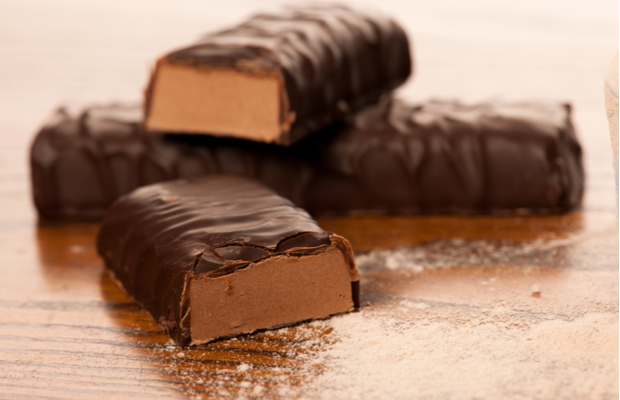
There is a trend for products with added protein, but most of us already get more protein than we need.
Foods rich in protein can be more filling to eat than foods high in carbohydrate or fat, which might be helpful if you are trying to lose weight, but ‘high protein’ does not necessarily mean it is healthier.
If you do want to increase the amount of protein in your diet, healthy sources of protein include unsalted nuts, low-fat yoghurt and hard-boiled eggs.
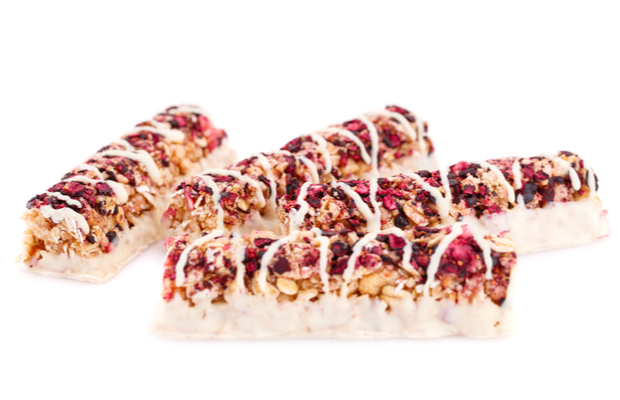
The ingredients of cereal bars and granola bars can vary widely – but it’s worth remembering that however wholesome their packaging may look, they are not necessarily a healthy choice.
Avoid chocolate-dipped or yoghurt-coated varieties (yoghurt coatings usually contain added ingredients like palm oil and sugar, which aren’t in actual yoghurt) or ones containing salted caramel, marshmallows, chocolate chips or coconut. Some bars have more calories than a Mars bar.
If you are choosing a cereal bar, look for ingredients like nuts and oats, which will be a more filling choice and have more fibre than ones based on puffed rice or other refined cereals. Use the nutritional information to identify the options with the least sugar per 100g and compare the calorie content per portion. Aim for less than 150kcal per portion (this is a good rule for other snacks too).
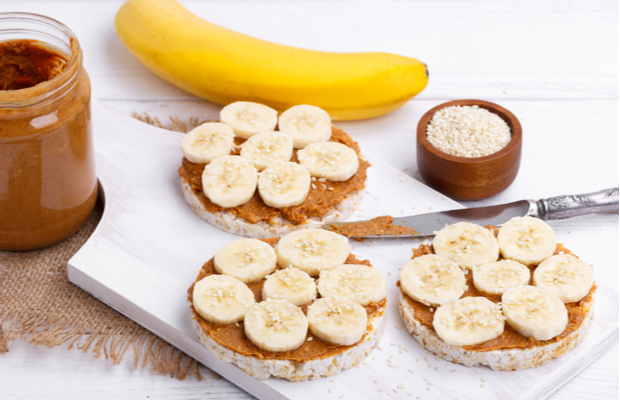
Crackers are often seen as a healthier option than bread, but that’s not always the case. Check nutrition labels and ingredients, and the salt and fat per 100g. Avoid anything with palm oil, butter or cheese, as these contain saturated fat.
Many crispbreads are made without added fat, but still check the salt content. Seeded crispbreads may be higher in fat because of natural oils in the seeds, which isn’t a problem if there isn’t fat added.
Rice cakes are a low-calorie option, but make sure to choose plain, unsalted versions. What goes on top is equally important – enjoy them plain or try low-fat cream cheese, banana, avocado, sliced tomatoes or unsalted peanut (or almond) butter.
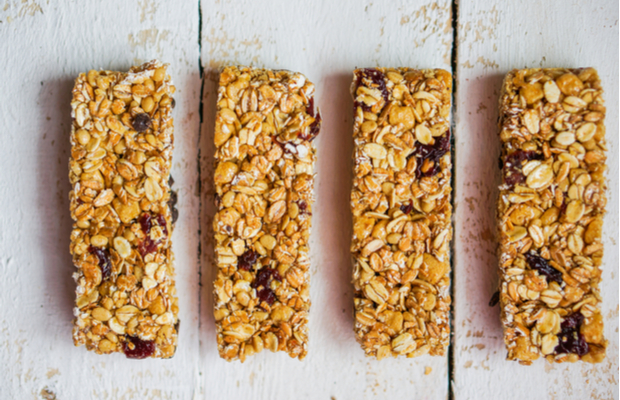
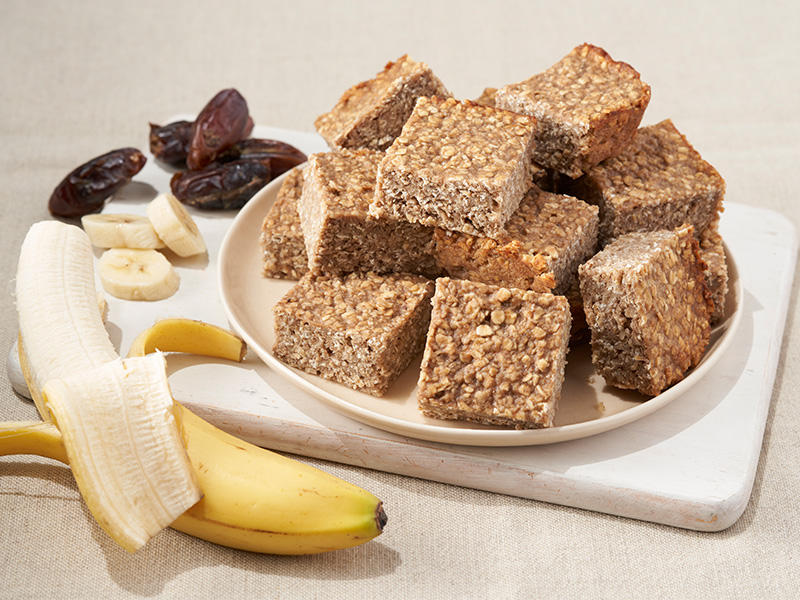
These are often based on dates with other dried fruit and nut additions and, in some cases, flavourings. The fruit is pureed so it can be formed into a bar, which means the fruit sugars they contain will count as free sugars, even if there is no added sugar. Free sugars are the kind we should all be cutting down on.
A small bar typically contains around 150kcals – that’s less than a Mars bar (228kcal) but more than a banana (89kcal). Because these bars are made from dried fruit and nuts they are more nutritious than biscuits, chocolate or sweets. They are also high in fibre and the fats are usually from nuts, which contain healthier unsaturated fats, unlike the saturated fats found in chocolate, cakes and biscuits.
They are quite filling so can be good if you are hungry and it’s a long time until your next meal, or if you’re doing something active.
Popcorn is a wholegrain snack and can be a low-calorie choice. The popping of the corn adds air, so you feel like you are getting a lot for not too many calories. But take care with ready-prepared versions. Flavoured varieties are often high in salt or sugar – check the nutritional information to find which is lowest in salt and sugar per 100g.
It’s easy to make your own popcorn at home and you can add healthy flavourings such as dried herbs, cinnamon or chilli rather than salt or sugar.
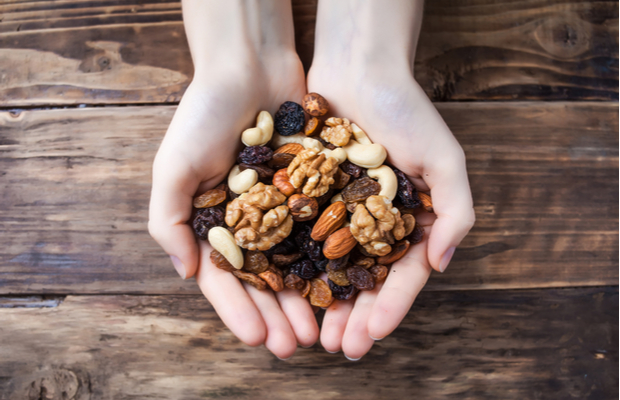
Nuts and dried fruit can be a nutritious choice in small portions. They can be high in calories, so aim for a small handful as a portion.
Trail mix is usually made of dried fruit and nuts, and often coconut. Dried coconut is high in saturated fat, so it isn’t the most heart-healthy choice.
Many trail mixes may also contain banana chips (rather than dried banana), which are fried, often in coconut oil which is high in saturated fat, and may have added sugar too. Check the labels and avoid mixes where sugar and oil have been added to the ingredients.
Whether you’re going for nuts, dried fruit or seeds, stick to the plain, unsalted varieties. Even healthy-sounding coatings such as yoghurt and wasabi often come with added sugar, salt or fat.