


Tests
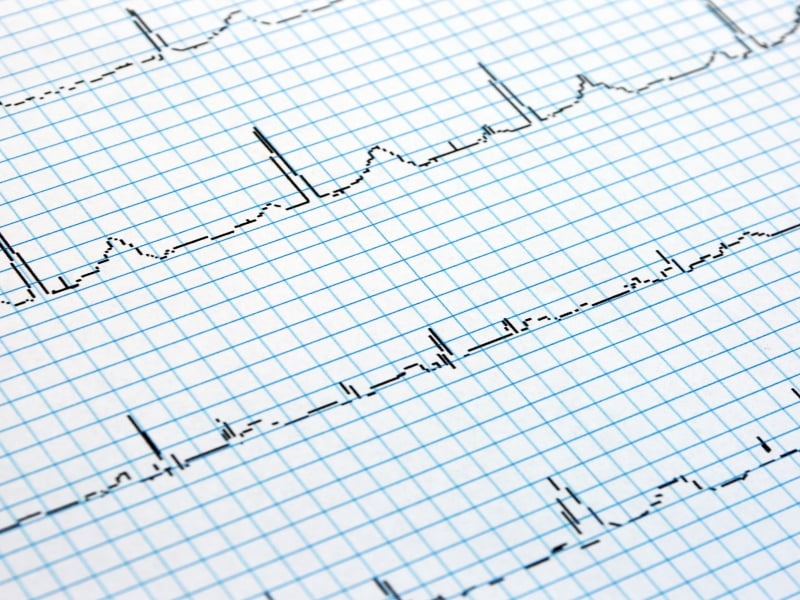
Tests are used to diagnose a heart condition or to see how healthy your heart is. Find out what to expect from some of the most common tests.
An angiogram (a type of cardiac catheterisation) is a heart test that looks at the blood supply of your heart.
Your coronary arteries are the arteries that supply your heart with blood. An angiogram helps the doctor spot any narrow areas or blockages inside the coronary arteries (coronary heart disease).

Watch our short video explaining what an angiogram is and what to expect during and after the procedure.
A CT coronary angiogram shows images of the coronary arteries and the fatty deposits (plaque) that can form within it.
CT stands for “computerised tomography”. The test uses CT scan images instead of X-ray images.
This test is less invasive than a traditional angiogram. But it’s generally not as reliable as a traditional coronary angiogram at seeing narrow areas and blockages in small coronary arteries or in smaller branches. This means that coronary angiogram is still the “gold standard” for diagnosing coronary heart disease.
An angiogram is a relatively safe and very common test. Serious complications are rare and your doctor will discuss these before you have it done.
Following an angiogram, some people may develop a collection of blood under the skin where the tube (catheter) was put in, which is called a haematoma. This can be uncomfortable and cause bruising, but it should go down after a few days. Contact your doctor if you have any concerns.
A small amount of radiation is used during an angiogram. However, the benefits of the procedure are generally considered to outweigh the very small risk associated with exposure to the X-rays. Speak to your doctor if you have any concerns about the risks of radiation during an angiogram.
The test is done in a cardiac catheter laboratory or “cath lab”. You can expect the test to last around 30 minutes, although it can sometimes take longer. You’ll need to lie flat for the procedure.
You’ll be asked not to eat or drink anything for a few hours before your procedure. Please let the nurse know if you have diabetes so they can plan your care appropriately.
During an angiogram:
You’ll be awake and able to talk to the medical team throughout your procedure. A heart monitor will be used to record your heart rate and rhythm, and you’ll have a pulse oximeter probe put on your finger to measure your oxygen levels. If you feel unwell or uncomfortable at any time, you should tell a member of the team looking after you.
If you are feeling very anxious about having this test, you can ask for a mild sedative to help you relax.
While lying on an examination table, a dye called contrast dye is injected into a tube in your hand or arm.
The radiology technologist will leave the room, and the exam table will move through the CT scanner. A CT scanner is large ring-like machine that moves around your body while you lie on an exam table.
Some people feel a bit claustrophobic during this test, so let the team know if you feel nervous.

This interactive video shows an real life angiogram. If you're watching on a computer, use your mouse or trackpad to look around the room. If you're watching this on a mobile or tablet, open the video in the YouTube app to be able to move around the room.
After the procedure, the tube will be removed from your wrist or groin area, depending on which artery the doctor used.
To stop the artery from bleeding, a compression device called a TR band will be put on your wrist or a special seal or pressure device will be put on your groin. If your procedure was done via the wrist, you’ll be able to sit in a chair almost straight away.
If the seal or pressure device cannot be used, the doctor will apply pressure to the area for about 10 to 15 minutes. You’ll need to stay in hospital a bit longer to be monitored.
The nurses will check your blood pressure and pulse and keep an eye on your wound. It is important to drink plenty of fluid as this helps to flush the dye out of your system.
If you feel well and it’s safe to do so, you should be able to go home the same day, although this may depend on the results of the angiogram. Your doctor will explain these to you before you leave.
The most common after-effect of the procedure is bruising where the tube was put in, which may feel tender and numb for a few days. You might feel tired, but you should recover within a few days. If you are worried about any of the after-effects, contact your doctor.
Some people who have a coronary angiogram go on to have a treatment called coronary angioplasty.


We've followed an eight-step process to make sure this content is reliable, accurate and trustworthy.
Learn how we make our health content.
Tests are used to diagnose a heart condition or to see how healthy your heart is. Find out what to expect from some of the most common tests.

A healthy heart functions like a pump, delivering oxygen rich blood throughout the body.

Our experienced nurses are here to help answer your questions or concerns about cardiovascular disease.