

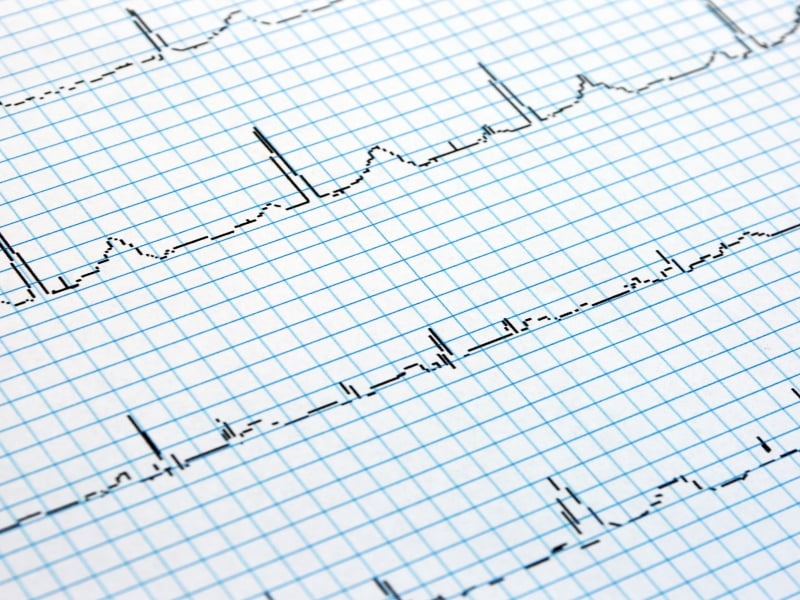
Tests
Tests are used to diagnose a heart condition or to see how healthy your heart is. Find out what to expect from some of the most common tests.
You may need an ICD fitted if:
You may be more likely to have an abnormal heart rhythm if you have:

Your heart has a sinus node that sends out electrical impulses to make your heart beat. If your sinus node is not working properly, your heart can beat too quickly.
An ICD can take over the role of your sinus node. It will check your heart rhythm all the time.
If it notices an abnormal heart rhythm, especially ones that could be dangerous, it can give electrical pulses to help your heart beat normally.
If your ICD notices an abnormal heart rhythm it will:
An ICD shock can feel like a sudden jolt or thump in your chest or back. It may make you jump. The feeling is different for everyone, and some people will only have a mild fluttering feeling or not notice it at all. It cannot shock people near you or touching you.

Many people will have a standard ICD fitted. But for some people, they may need a different type of ICD. This includes:
Having an ICD fitted is a common procedure but it’s normal to feel a bit nervous.
It normally takes about 1 to 3 hours. It can take longer if you’re having other treatments at the same time.
If you’re having a SICD the leads will be put under the skin in your chest. The box of the SICD will be put under the skin on the left side of your chest, under your armpit.
Most people will stay overnight after having an ICD fitted and go home the next day. You'll need to stay longer if you've had a cardiac arrest. Your ICD will be checked thoroughly before you go home.
You should have regular follow-up appointments to have your ICD checked.
Usually, you’ll have an appointment every 3 to 12 months, depending on the type of ICD you have and if it’s given you treatment. It’s important to go to your appointments, even if you feel well.
Some ICD checks can be done from home (remotely). If this is possible, your ICD will send information to your healthcare professional.
After having an ICD fitted you may want more information on whether it will affect your daily life. Ask your doctor if you need to stop driving for a period of time with an ICD.
You may need to avoid playing contact sports if you have an ICD. Usually, you can play sports that involve raising your arm, like golf. But check with your doctor about exercise and any sports you want to play.
Read more about living with an ICD in our booklet.

It’s normal to feel worried about having an ICD fitted and it often helps to talk to someone.

We've followed an eight-step process to make sure this content is reliable, accurate and trustworthy.
Learn how we make our health content.
Tests are used to diagnose a heart condition or to see how healthy your heart is. Find out what to expect from some of the most common tests.

You may be having planned or emergency treatment. We explain what to expect, how it will help and what will happen afterwards.

Being diagnosed, or living with a heart or circulatory condition can be overwhelming, but we're here to help.