Eat well
Does alcohol raise blood pressure?
Senior BHF cardiac nurse Ruth Goss explains why high blood pressure is known as a 'silent killer' and warns that if your blood pressure rises very suddenly it can lead to a hypertensive crisis causing a hypertensive emergency.


High blood pressure (hypertension) is a serious condition that can increase your risk of heart attack or stroke, but there are rarely any signs or symptoms.
As many as 16 million people in the UK have high blood pressure, but nearly 5 million of them do not know they have it.
As well as increasing your risk of heart attack and stroke, if left untreated, it can develop into severe high blood pressure.
This needs immediate treatment as it can lead to other health issues, including a complication called a hypertensive crisis, which can damage your organs.

High blood pressure is known as a ‘silent killer’ because it can cause many life-threatening conditions but usually has no obvious symptoms.
Left untreated high blood pressure can damage the walls of the arteries (the tubes that carry blood around your body) and can make your heart work harder.
Over time this can lead to serious cardiovascular diseases like:
It can also lead to complications like vision loss and sexual dysfunction.
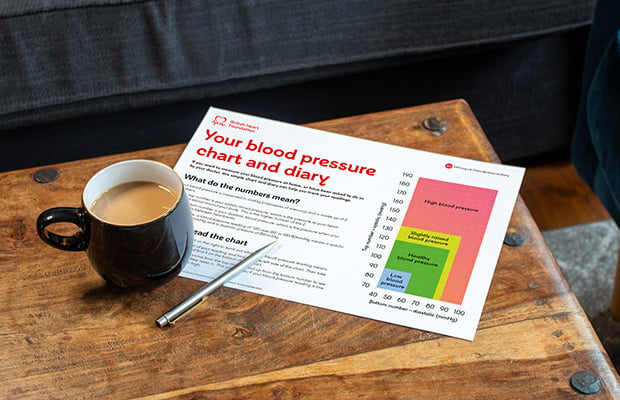
There are a range of blood pressure levels which are considered healthy.
Talk to your doctor about the best blood pressure target for you.
They may suggest a different level if you have other medical conditions or are aged over 80 years old.
For many people, high blood pressure needs to be treated with lifestyle changes, medicines or a combination of both.
If it is left untreated you could develop severe high blood pressure. This is when your blood pressure is 180mm/120mmHg or higher.
You may not feel any symptoms, even with your blood pressure at such a high level.
Speak to your doctor if you check your blood pressure at home and find it’s at this level, unless you have been told having higher blood pressure is normal for you.
It's likely you will need to be started on medication.
A hypertensive crisis is a medical emergency that happens when your blood pressure spikes very suddenly.
This can damage organs including your heart, kidney and eyes (known as a hypertensive emergency) and you may experience symptoms including:
There are things that can increase your risk of a hypertensive crisis, including:
If you have any of these symptoms and think you are having a hypertensive crisis you should seek urgent medical advice.
There are simple ways to lower your blood pressure levels.
But first, it’s important to regularly check your blood pressure and know your numbers.
You can do this using a monitor at home, or you can ask your GP or pharmacy to check your levels.

If you find you have high blood pressure, see your GP who can assess whether you need medication to keep your blood pressure at a healthy level.
There's also lots you can do yourself to help lower your blood pressure, including: