Get active
How to exercise with shortness of breath

Cardiac rehab expert Dr Stefan Birkett (PhD) explains what causes chest pain (angina) during exercise, and how aerobic and strength exercises can improve your symptoms.


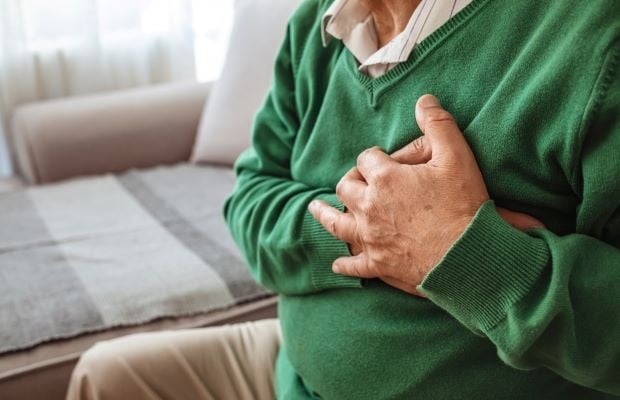
Angina is a pain or discomfort in the chest, upper back, arm or jaw due to reduced blood flow to the heart. It’s usually caused by coronary heart disease, where the arteries supplying blood to the heart become narrowed or blocked.
When you exercise, your heart beats faster to get blood to your muscles, and so it needs more oxygen-rich blood itself.
If it does not receive enough blood, this can trigger angina pain, as well as other symptoms such as breathlessness and fatigue.
However, while physical activity may lead to angina symptoms, most people with angina can still exercise safely.
Exercise cannot cure angina or its underlying causes, but it can reduce the risk of angina getting worse and may even improve your symptoms.
The level of physical activity it takes to trigger your angina symptoms is called the ‘anginal threshold’.
Regular exercise can raise this threshold by improving your body’s ability to take in and use oxygen. This means you can do more physical activity before you experience symptoms.
Staying active may also reduce your risk of having a heart attack or stroke.
Check with your medical team about what level you should be working at when you start exercising after being diagnosed with angina.
You should not exercise if you have ‘unstable angina’ – when you have symptoms, such as chest pain, happen unexpectedly, even when you’re resting.
This is different to ‘stable angina’ where your symptoms are triggered by physical activity, or other triggers such as cold weather.
Call 999 if your symptoms do not go away when you rest or take your angina medicine.
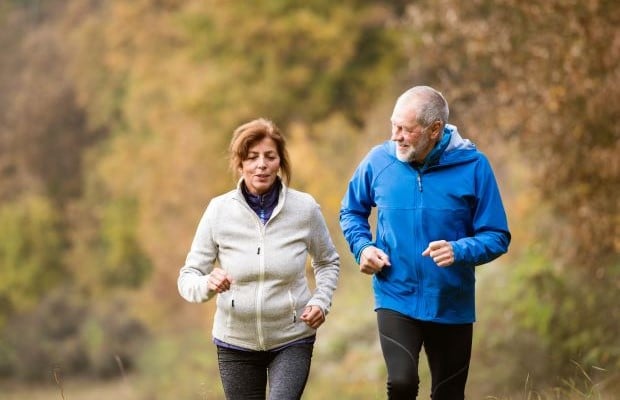
To improve your fitness, you need to exercise at a moderate intensity, which could be brisk walking, cycling, dancing or home workout videos – anything that makes you breathe slightly faster than normal.
UK Government guidelines recommend at least 150 minutes of moderate intensity aerobic exercise a week. You can spread this out with shorter sessions throughout the week, for example doing around 20 minutes a day.
However, as shortness of breath is a symptom of angina, it can be hard to work out if you’re exercising at the right intensity.
A helpful guideline is to make sure you can still hold a conversation while you’re exercising.
Speak to your GP or healthcare provider before trying more high-intensity exercise if you’ve been diagnosed with angina.
If you've had heart surgery or a heart attack, you should be offered cardiac rehabilitation. This involves exercise classes with a cardiac rehab team who can help you find the right level for you.
Make sure you have your GTN spray or tablets with you in case you get any angina symptoms when you exercise. These medicines, known as nitrates (GTN stands for glycerol trinitrate), widen your blood vessels to increase blood flow to the heart.
If you get symptoms like chest pain when exercising, stop and take your medicine as prescribed. Make sure to warm up again before you continue exercising.
Some people also find it useful to take their GTN spray before they start exercising.
However, speak to your doctor first, especially if you’ve not taken GTN medicine before, as it causes a drop in blood pressure which can make you feel dizzy.

Stop exercising immediately if you start to feel:
If you experience any of these symptoms, sit down, rest and take your angina medicine.
Whether you’re new to exercise or coming back to it after being diagnosed with angina, it’s important to start slowly and gradually build up your fitness.
Every type of movement counts. Even moving around more when you're at home and reducing the amount of time you spend sitting down can stop your anginal threshold getting lower.
Before you start exercising, do a 15-minute warm up. This will cause your blood vessels to gradually widen, allowing blood to flow to your heart, so you’re less likely to get angina symptoms.
For example, if it’s cold outside, you could start warming up at home with some light marches or heel digs before you go out for a walk.
It’s important to cool down for 10 minutes after you finish exercising too. This allows your heart rate, breathing and blood pressure to gradually return to normal, as well as preventing stiffness.
For example, you could gently march on the spot while doing some stretches after you finish your workout.
There are several types of exercise that can be beneficial if you have angina. However, any movement is good – you do not need to do long workouts.
Aerobic exercise is any form of movement that increases your heart and breathing rate. This type of exercise can help improve your fitness and raise your anginal threshold.
You should aim to do aerobic exercise at moderate intensity, which means you feel slightly breathless when you’re exercising but are still able to talk.
Any form of activity that makes you feel a bit warmer counts, such as brisk walking, cycling, dancing or home workout videos.
Strength or resistance training is also important. This refers to any activity that makes your muscles work harder, such as carrying heavy shopping bags, lifting weights or using resistance bands.
Stronger, more efficient muscles put less strain on your heart and help your body use oxygen more efficiently, which may also improve angina symptoms.

UK Government guidelines recommend doing strength training at least twice a week.
Make sure you leave at least 1 day to rest in between sessions. Your muscles may feel slightly sore the day afterwards – this is normal, especially if you’re new to strength training.
Remember not to hold your breath when you’re doing strength exercises, as this can increase blood pressure, which may trigger your symptoms.
Try our strength exercise workouts you can do at home:
Other forms of exercise can also have health benefits.
Mobility and flexibility exercises can help you move your muscles and joints more freely and prevent injury, while balance training can improve your stability and reduce the risk of falls.
Get started with our workouts: