1. Understand the definition of a raffle
Before planning any specifics, it’s important you understand what a raffle is and how to run one legally.
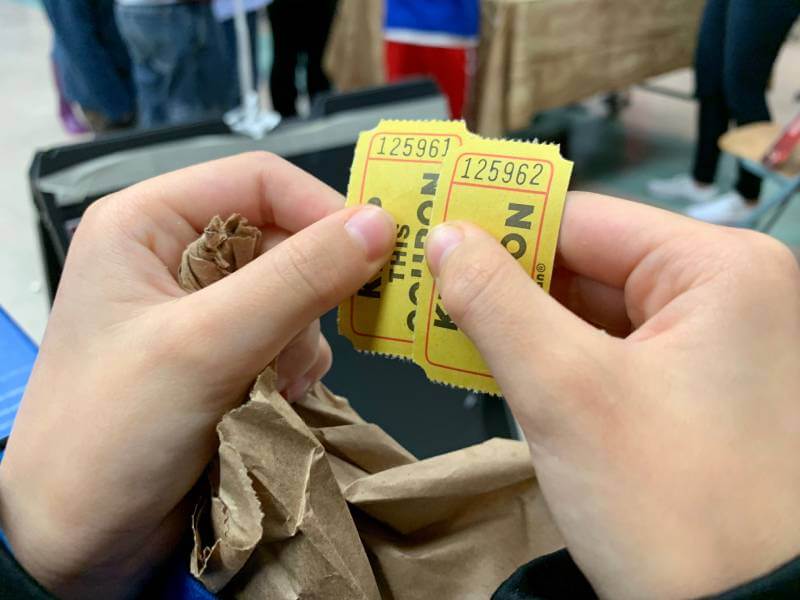
A raffle is a type of lottery where people buy one or more tickets to win a prize. Each entry buys a unique ticket number. At the end of the raffle, prize winners are chosen by drawing entries at random.
In the UK, raffles and lotteries and seen as gambling by the Gambling Commission. This means they must follow certain laws and restrictions, otherwise you may be breaking the law. For more information, you can read the Gambling Commission guidelines.
Do I need a licence for my raffle?
You may need to apply for a licence or register your raffle with your local authority. The easiest way to avoid this is by running what is called an incidental lottery. This type of raffle takes place during another in-person fundraiser.
Requirements of an incidental lottery include:
- tickets can only be sold at one location and while the event is taking place
- you must not sell tickets online
- deductions for expenses must not exceed £100
- deductions for prizes must not exceed £500.
2. Choose a time and place for your raffle
Next, decide when and where to hold your raffle. If you plan to host an incidental lottery during an existing fundraiser, see if any local community groups or organisations are willing to help out.
Or you might prefer to organise your own in-person fundraiser. Raffles make a great addition to charity balls, quiz nights and coffee mornings.
Consider sticking up raffle posters at the event to help spread the word.
3. Plan your raffle prizes
Sourcing prizes for your raffle could take a few weeks, so make sure you leave plenty of time for this step. The more quality raffle prizes you can get, the easier it will be to sell tickets on the day.
Here are some top tips on securing prizes for your raffle:
- Approach local businesses: local businesses are often happy to donate prizes to charity raffles. This could be anything from food hampers to vouchers or event tickets. Try emailing a range of companies and then following up with a call or visit at times when they’ll be less busy.
- Ask us for a letter of authority: some companies may want to see proof that you are fundraising for BHF before they donate prizes. If so, just let us know and we will happily provide a letter confirming that you are fundraising for us. You can email us at [email protected].
- Make use of your relationships: consider who you know. Might any friends or family members have items they can donate? Would any of your colleagues be willing to get involved? Think outside the box. For instance, do you know anyone with a connection to an artist, celebrity or sports professional who could provide signed memorabilia?
- Know your audience: think about the people you’ll be selling raffle tickets to. Brainstorm ideas for prizes that might create a real buzz. This will help guide you when it comes to sourcing prizes that will attract ticket sales.
4. Order or create raffle tickets
On the big day, you’ll need to provide physical tickets to those taking part. There are no set requirements for what must be included on each raffle ticket, as long as you can easily identify winners.
You can buy raffle tickets online or in most stationary stores. For instance, you could use the iconic blue, green, pink and yellow strips. Or, to keep costs down, you could create and print your own raffle tickets!
5. Sell your raffle tickets
Now it’s time to decide how much tickets will cost. This depends on how much your prizes are worth and how many people you’ll potentially be selling to.
When selling raffle tickets, remember to follow the law closely. This means only selling tickets at the location of the event and only while it is taking place. You cannot sell tickets online or in advance of the event.
Top tip: double your money by asking if your company offers Matched Giving for charity. If they do, encourage them to apply.
6. Draw your raffle winners
It’s time to find out the lucky winners! You can hold the prize draw either during the event or afterwards. Make this clear in advance so participants know when to expect the results.
It’s also important that all prizes are won by chance and that no prizes are left over when the raffle is finished.
7. Say thank you
After the raffle, remember to say a big thank you to everyone who bought raffle tickets and donated items. Let them know how much you raised and the difference it will make. Finally, remember to pay in the money you raised.
Alternatives to raffles
Not sure you want to organise a charity raffle? As an alternative, you could consider running a ‘free prize draw’ or ‘prize competition’. Neither of these need a license but there are specific rules to follow. For more information, read guidance from the Gambling Commission.