Understand health
What is a normal pulse rate?

Senior BHF Cardiac Nurse Ruth Goss explains 9 signs of a potential heart problem, including chest pain, stomach pain like indigestion, a choking feeling, leg pain and extreme fatigue.


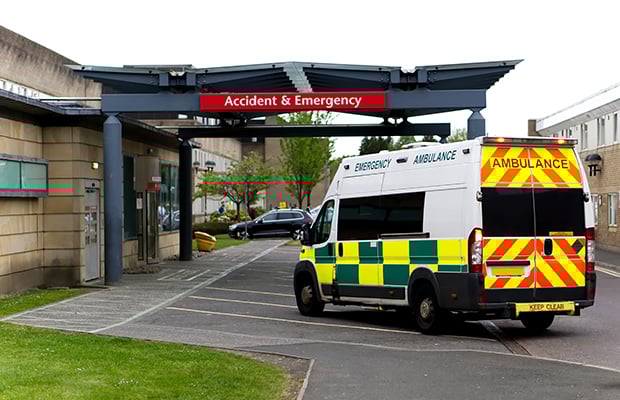
Call 999 immediately if you or someone else shows signs of a heart attack, stroke or cardiac arrest.
Every second counts. These are life-threatening emergencies that require urgent medical attention.
Key symptoms include:
More than 8 million people are living with cardiovascular disease in the UK.
While some symptoms of heart problems, like chest pain, will raise immediate alarm, others like swollen ankles and extreme tiredness can be less obvious.
Here are 9 signs that could mean it’s time to see a doctor.
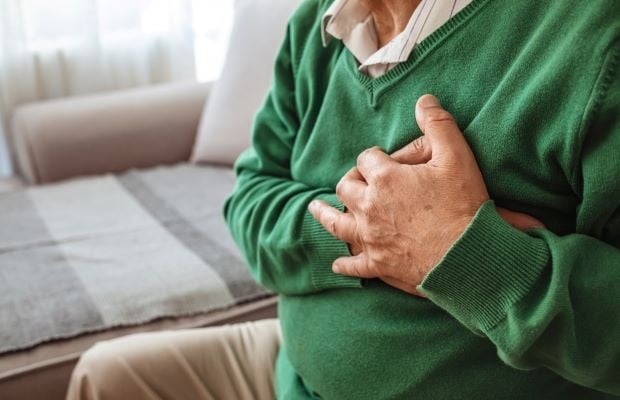
It’s one of the most common signs of a heart attack, but how do you know if chest pain is a medical emergency?
If your chest pain does not stop after resting for a few minutes and you feel extremely unwell, dial 999 and get an ambulance as soon as possible.
If it’s a heart attack, this pain may feel like heaviness, tightness or pressure in the chest.
People often describe it as ‘an elephant’ standing on their chest or ‘a tight band’ around it.
You may also have pain that spreads to either your:
It's also common to feel sick, sweaty, light-headed or short of breath.
However, if you feel pain or tightness in your chest that goes away after a few minutes of resting, you may have angina.
Angina is a feeling of pain or discomfort caused by reduced blood flow to the heart.
It tends to happen when your heart works harder, such as when you're walking uphill, and goes away when you rest.
You should go and see a doctor, but you do not have to call 999.
If you have been diagnosed with coronary heart disease and/or angina and your chest pain does not go away after taking 2 sprays of GTN (glyceryl trinitrate) medication, call an ambulance.
A painful or burning feeling in your chest or stomach can be a sign of a heart attack or related heart problem.
However, it can be hard to tell the difference between heart pain and indigestion.
That's because the heart, the stomach and the gullet (the passage between your mouth and stomach) all lie right next to each other.
If you're not sure which one is causing your stomach pain, call NHS 111 for advice.
It's common to feel short of breath with many different heart conditions.
It's a symptom with:
However, breathlessness (dyspnoea) is not always caused by heart problems.
It's also linked to lung conditions like asthma and chest infections. And you can get it with anxiety too.
If your symptoms are new or worse than usual, then speak to your doctor. They can find out more about your symptoms and send you for tests if needed.
When people have angina, they can sometimes feel tightness or pain up in the throat. This is often described as a ‘restricting’ or ‘choking’ sensation.
In fact, the word 'angina' comes from the Latin word for choking.
If you have a choking feeling that continues, and you have not previously been diagnosed with a heart problem, you should call NHS 111.
And if you are experiencing other signs of a heart attack, such as chest pain or feeling sick, you must call an ambulance.
It's common to feel dizzy or light-headed sometimes.
But it's worth knowing it can also be a sign that your heart isn't pumping enough blood to your brain.
This symptom is often associated with arrhythmias or low blood pressure (hypotension) caused by heart problems.
Make an appointment to talk to your doctor if you are often feeling dizzy, especially if you are also having other heart-related symptoms.
Dizziness can also be a side effect of some heart medicines, including ones to control high blood pressure.
Swollen ankles and feet are common and can have many causes.
For example, they may be caused by tablets you are taking, such as blood pressure medication.
However, that does not mean you should ignore swelling in your ankles, feet, legs or abdomen, as this can be a marker of heart failure.
Heart failure is when your heart may not be pumping blood around your body as well as it should, and as a result fluid collects in your lower limbs causing swelling.
So, if you’re getting swollen ankles, feet, legs or abdomen, it’s worth making an appointment with your GP.
A gripping, cramping sensation in your calves when you are walking that is relieved by rest within 10 minutes is a marker of peripheral arterial disease (PAD).
The pain is caused by your legs not receiving enough blood because a build-up of fatty material narrows the arteries in your legs.
PAD is most common in people who smoke and those who have diabetes. If you notice this symptom, make an appointment with your GP.
Feeling tired all the time can be a symptom of lots of conditions – including heart failure.
However, as there are so many causes of tiredness, it can be difficult to know for sure what's behind it.

If you’re tired and you’ve been working long hours or staying up late, it’s probably not your heart.
But if you start experiencing extreme tiredness and your lifestyle has not changed, it’s a good idea to chat to your GP.
Suddenly becoming aware of your heartbeat and feeling like it is racing and missing beats is known as palpitations.
These are usually harmless, and can be caused by things like stress, caffeine or hormonal changes.
However, if your heart is going very fast and jumping around erratically, then that’s when you should see your GP.
If you notice this and you also experience blackouts, call 999 for an ambulance.
Palpitations can also be a sign of an abnormal heart rhythm (arrhythmia), which may be caused by an underlying condition.
One of the most common arrhythmias is atrial fibrillation (AF), which can increase your risk of a stroke.