


Heart attack
Learn about the causes of a heart attack, how a heart attack is diagnosed, treated and how to take care of yourself at home and in the hospital.
Paul Riley is the BHF Professor of Regenerative Medicine at the BHF Centre of Regenerative Medicine, University of Oxford.
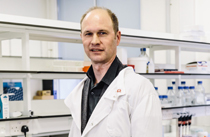
Learning how to regenerate the heart after a heart attack was once considered science fiction. But BHF Professor Paul Riley is leading a dedicated team of scientists who are turning heart regeneration into a reality.
Find out about Professor Riley's latest breakthrough.
Professor Riley investigated how the heart develops in the embryo for over a decade at UCL’s Institute of Child Health. He moved to the University of Oxford to take advantage of our BHF Centre of Research Excellence and now heads the Oxbridge BHF Centre of Regenerative Medicine
Paul is working with other leading heart researchers at the Centres, helping him translate his lab research into medicines. This research is vital if we are to mend broken hearts and start to treat heart failure.
Paul and his team demonstrated in mice that certain adult heart cells can be stimulated chemically to repair heart damage. The chemical, a protein called thymosin β4 (tβ4), helps specialist cells surrounding the heart move to the damaged area of the heart and turn into new heart muscle, helping the heart pump efficiently once more.
Now Professor Riley and his team want to learn more about the genetics behind how these special cells can turn into new heart tissue. Once Paul and his team know more about how the regenerative process works, they can find ways to replicate it effectively.
Professor Riley works with other BHF-funded researchers at the University of Oxford, like Dr Nicola Smart. Find out more about Dr Smart's research into heart failure and the Mending Broken Heart's appeal.
 Professor Riley's scientists have created new heart muscle cells, shown in red on the right, that can join up with existing heart muscle, shown in green on the right. Although tβ4 is exciting, there may be other molecules that could be more efficient at mending broken hearts. At Oxford the team are screening hundreds of thousands of small molecules to see if they can help heart regeneration. Oxford’s fantastic drug development facilities at the BHF-funded Target Discovery Institute are boosting this process.
Professor Riley’s research offers the hope that within a decade we will be able to teach damaged hearts to repair themselves so that we can help the UK’s 490,000 heart failure sufferers.
We need to raise over £10 million to help build and establish a new cutting-edge research facility at the University of Oxford. The Institute of Developmental and Regenerative Medicine will truly benefit people of all ages from the tiniest baby born with a heart defect to the oldest among us struggling with heart failure.
The Institute will be co-led by BHF Professor Paul Riley. Scientists at the Institute will lead the way in research to fight the irreparable damage caused by heart attack, which can lead to heart failure. They will also carry out studies to improve our understanding of the biology behind congenital heart defects that affect a dozen babies born every day.
Researchers from the fields of immunology and neurology will join Professor Riley and his cardiovascular research colleagues in the building.
Find out more about the Institute of Developmental and Regenerative Medicine.
Learn about the causes of a heart attack, how a heart attack is diagnosed, treated and how to take care of yourself at home and in the hospital.
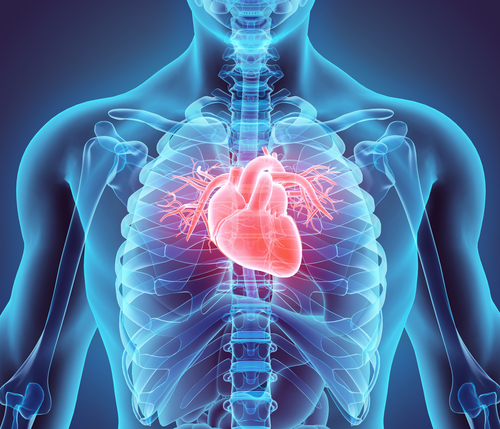
Heart failure is a condition where your heart can’t pump blood around your body as well as it should. It doesn’t mean your heart has stopped working but you may need support to help it work better.
We have helped improve and save the lives of many people with heart and circulatory diseases. But these conditions still affect millions of families.