Wellbeing
Dealing with sex after a heart condition
We hear how two people with heart and circulatory conditions have dealt with challenges to their sex life, and get tips from experts.
Published:

Published:
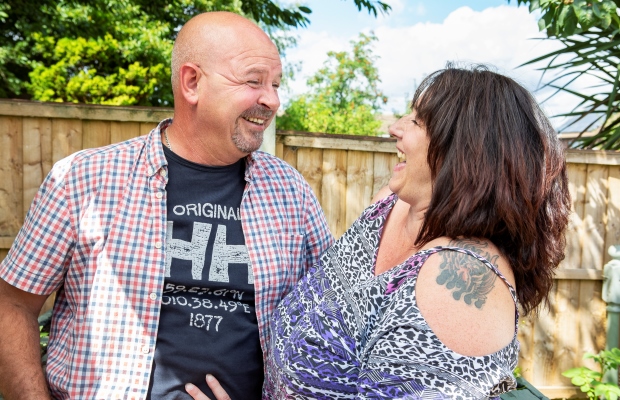
Teresa and Ian have found talking openly and keeping their sense of humour has helped their relationship.
A diagnosis of a heart or circulatory condition may prompt worries you never expected: ‘Can I still have sex?’, ‘Do I still feel like sex?’, ‘Will it affect my relationship?’
You’re not alone. More than 2,400 people with heart and circulatory disease took our sex survey.
Nearly half said their sex life has been affected by their condition. Many (58 per cent) also said their condition has made them worried about having sex – in particular, about losing interest in sex or their sex drive being affected by medications.
But in most cases, sexual problems are caused by the heart or circulatory condition itself, or by worries and anxieties relating to it.
Dealing with worry
Anxiety can have a huge impact on your sex drive and your ability to orgasm, says Victoria Lehmann, a Sex and Relationships Therapist and Trustee of the Sexual Advice Association.
Anxiety can have a huge impact on your sex drive and your ability to orgasm
Victoria Lehmann
Sex and Relationships Therapist
“When we are intimate, we need to concentrate on the feelings and emotions we’re experiencing,” she explains. “If we are anxious, we get distracted. This means we don’t focus on the pleasurable sensations we have – and this will affect your desire to have sex and get aroused.”
Among those in the survey who were anxious about having sex, most worried about losing their libido (41 per cent), reaching orgasm (31 per cent), health conditions having an effect on their relationship (28 per cent), and getting tired or out of breath during sex (26 per cent).
For Ian Robertson, 51, from Nottinghamshire, one of the biggest worries is the thought of having a heart attack during sex with his wife Teresa. “I’m terrified I will die on her,” he says.
“I didn’t think anyone could help, so I looked for information online and on YouTube, and lots of people say ‘don’t worry about it’, but when you’re having sex and your chest goes ‘boom boom boom’, you do worry, and then you lose your erection,” Ian says.
Ian was diagnosed with atrial fibrillation (AF) two years ago. Although medications help, his condition means that he has dizzy spells, gets out of breath easily and often feels his heart pounding.
“We have sex a lot less now,” he says. “In the last year we’ve had sex three times, which is as a result of the condition.”
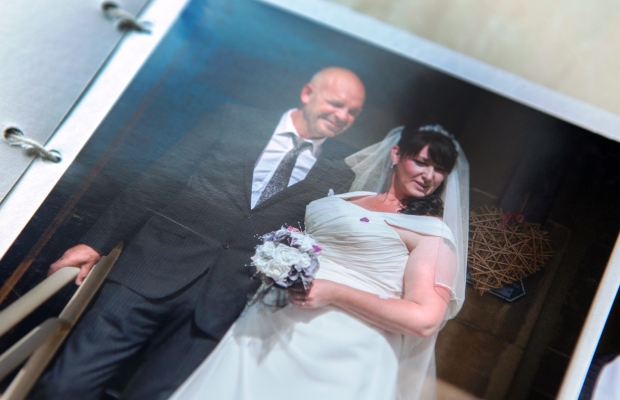
Teresa and Ian on their wedding day.
As he can get tired quite quickly, Ian says he and Teresa find other ways to be intimate rather than full intercourse.
Likewise, Ms Lehmann recommends finding new approaches: “Remember, you can be very sexually intimate having a cuddle and pleasuring each other without having sexual intercourse.
“If your sex drive is low, you might need to spend more time building up your desire. Consider doing foreplay for half an hour or so, rather than focusing on the end moment.”
People tend to put too much emphasis and pressure on achieving orgasm, says Ms Lehmann.
Even if you or your partner don’t have the same physical responses you used to (such as erection or ejaculation), “you can still have very pleasurable sensations,” says Ms Lehmann – including orgasms. “Orgasms happen in the brain (especially for women) and ejaculation in the genitals. For example, people with prostate cancer have reported amazing orgasmic sensations, without ejaculation.”
Let’s talk about sex
Our survey shows that, of those who are worried about having sex, around two-thirds said they haven’t talked to anyone about their concerns.
The most common reason is embarrassment. Ian has found talking is crucial. “We talk to each other a lot,” he says. “My best advice is to have a sense of humour.
“When this happened to me I had only been married a year. At the same time, my wife was going through the menopause, and she wasn’t bothered about having sex – which was lucky in a way, otherwise it could have been a bit awkward.”
Healthcare professionals have a role to play when it comes to talking about sex, and if you go on a cardiac rehabilitation course, this topic should be covered. But whenever you need help, it’s important to ask. Talking to your GP is a good starting point.
What to read next...
6 reliable ways to boost your energy levels