Eat well
Recipe finder

Did you know that poor gut health can also harm your heart? Gut health specialist dietitian Dr Megan Rossi (PhD) shares her expertise on this fascinating topic and offers some easy ways to make your diet more gut, and heart, friendly.


The gut contains trillions of tiny organisms called microbes. These include bacteria, viruses and fungi, which are collectively known as the gut microbiota.
The gut microbiota is found all along the digestive tract that goes from the mouth, through the food pipe, stomach and intestines to the anus. It helps keep the lining of the gut healthy and regulates the immune system.
It also plays an essential role in breaking down the food you eat, which the body then uses to create the chemicals it needs to function properly. These chemicals include small proteins, fatty acids, hormones and vitamins that help with things like blood clotting and bone, nerve and brain health.
It’s not yet fully understood how the gut microbiota and the chemicals it helps create negatively affect heart health.
However, over the past few years, several laboratory studies have shown that changes to the gut microbiota are directly linked to a higher risk of developing, and dying from, heart and circulatory diseases.
These changes may involve the number, species and make-up of microbes in the gut microbiota.
Scientists have also been studying the effect that chemicals created by the gut have on the heart.
One of these chemicals is called trimethylamine N-oxide (TMAO), which lab-based research has shown is linked with worsening disease for people with heart failure.
Scientists also think high levels of TMAO in the blood may cause inflammation of the lining of the blood vessels, which in turn may lead to high blood pressure.
They are also looking at TMAO’s role in high cholesterol.
These lab-based studies have given scientists an idea of how the gut microbiota and chemicals it helps create affect heart health, but more research in humans is needed to understand it fully.
Even though we do not know exactly how the gut harms the heart, what we do know is that what’s good for the gut is also good for the heart.
For example, we know that microbes love fibre, so eating more fibre is important to keep the gut working properly.
Research in the British Medical Journal also shows that the more fibre you eat, the lower your risk of developing coronary artery disease and other heart and circulatory conditions.
Scientists think this is because fibre reduces the amount of ‘bad’ cholesterol that’s absorbed into your blood by helping it to be removed from the body.
Scientists also know that polyphenols –types of antioxidants and other chemicals found in plants – are linked to better heart and circulatory health.
This is one of the reasons the NHS recommends having five portions of fruit and vegetables a day – often referred to as your ‘5-a-day’.
And why the Mediterranean diet is especially healthy because it includes extra virgin olive oil, nuts, seeds, beans and legumes, that are all rich in polyphenols.
However, human cells are not able to digest 90 per cent of polyphenols.
Instead, we must rely on microbes in the gut to ferment them before they can be absorbed into the body.
As there are thousands of different plant polyphenols, we also need a wide variety of microbes to ferment them.
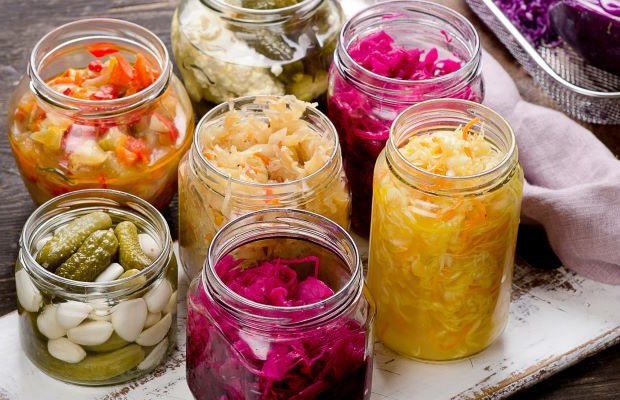
This is why fermented foods like live yogurt, kefir, kimchi, sauerkraut, are worth considering in your diet, because they’re full of ‘good’ bacteria and often contain additional nourishment for your gut microbes in the form of prebiotics (think of it as a fertiliser for them).
These bacteria are thought to help restore the natural balance of microbes in the gut, thus allowing the body to absorb more polyphenols, which in turn benefits the heart.
Microbes require a diverse range of nutrients, so one of the best things you can do is have a diet that includes a wide variety of foods.
One of the strategies I recommend is to eat 30 different plant foods every week.
This might sound like a lot, but it includes fruits, vegetables, wholegrains, nuts, seeds, and legumes such as chickpeas, lentils and kidney beans.
It could be as simple as adding mixed seeds to whatever you’re eating in the morning. Or buying different coloured peppers, rather than one kind.
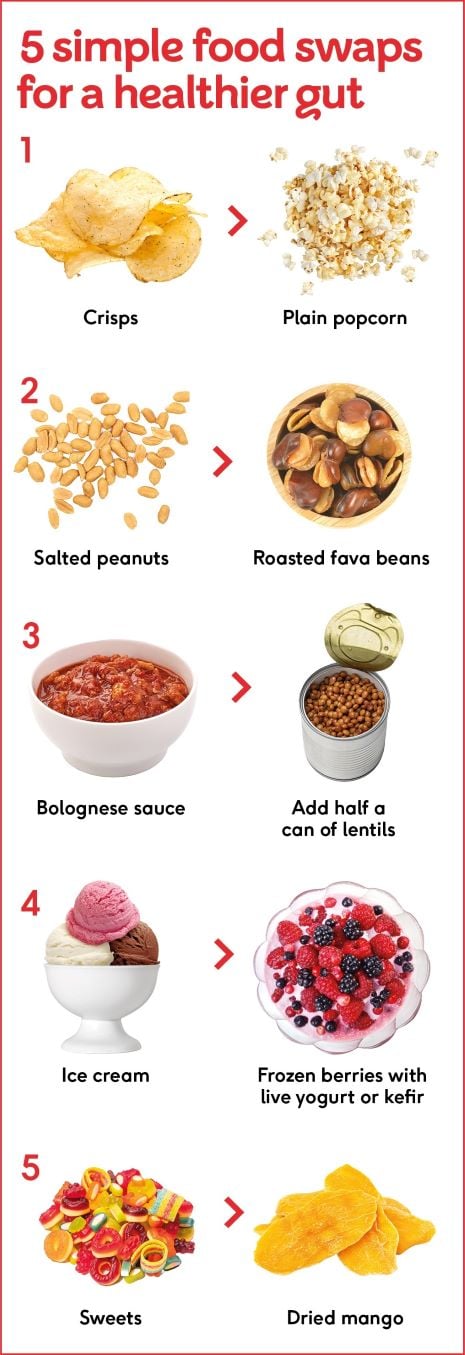
So, even if you love routine, try to mix up your snacks and meals. See our 5 easy food hacks for inspiration: