


Eat well

What is the British Heart Foundation Diet?
Heard talk of a ‘British Heart Foundation diet’? Our Senior Dietitian Dell Stanford explains the myth, why quick diet fixes do not last, and shares heart-healthy ways to manage your weight.
Page updated:
Page updated:
You may have seen references online to a so-called ‘British Heart Foundation diet’, sometimes linked to other names like the ‘3-day diet’, ‘Sacred Heart diet' or ‘Greenlane diet’.
There is no official BHF diet, and we do not endorse or recommend any of these eating plans as they do not reflect our advice on healthy weight management.
These diets are typically very low in calories (around 800 to 1,000 a day) and involve following a strict menu for 3 days, including unhealthy foods like hot dogs, salty crackers and ice cream. They promise fast results in these 3 days, often claiming you can lose 10lb (4.5kg).
Any weight loss that occurs is simply due to eating far fewer calories than the body needs (on average 2,500kcals a day for men and 2,000kcals for women), not because there’s anything special about the foods or the plan itself. Plus, weight regain is likely once the diet returns to normal.
They also do not take into account individual energy needs, activity levels, lifestyle or health conditions, nor are they nutritionally balanced or sustainable.
If you’re looking to lose weight, it’s more effective to make gradual, realistic changes that you can stick to over time.
Why does diet matter for heart health?
Diet plays a key role in heart and circulatory health, whether you’re trying to lose weight or not. What you eat can influence key risk factors for heart attack and stroke, like high cholesterol and high blood pressure.
Even without weight loss, improving your food choices and overall diet can lower these risks.
However, there are 2 well-researched diet plans, which focus on fresh, balanced meals, rather than restriction that are linked to better heart health. These are the:
Which foods are good for the heart?
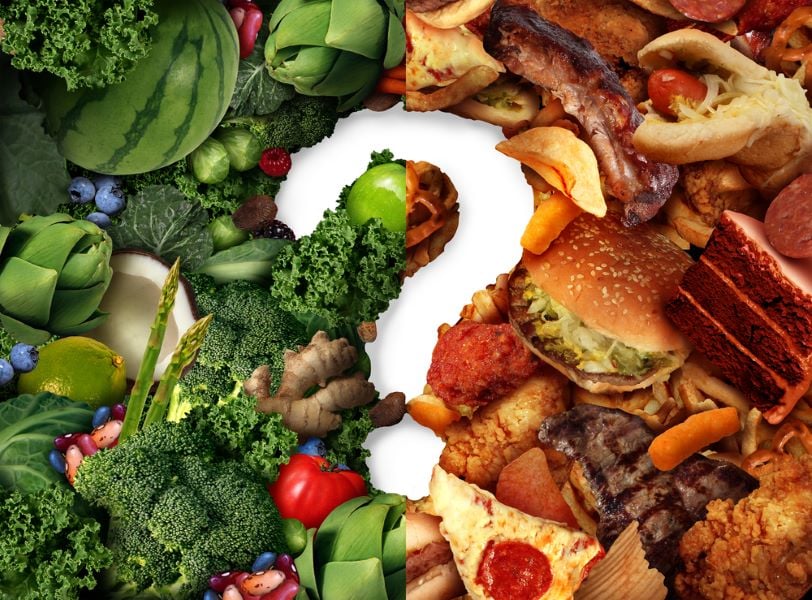
A heart-healthy diet does not need to be complicated. Following the principles of the UK’s Eatwell Guide and building your meals around nutritious, everyday foods can help protect your heart as well as manage your weight.
Focus on:
- Fruits and vegetables: Aim to get at least 5-a-day. Fruit and veg are packed with fibre, vitamins, minerals and antioxidants that support healthy blood vessels and help manage cholesterol and blood pressure. They’re also naturally low in calories.
- Wholegrains: Foods like oats, brown rice, wholemeal bread and quinoa provide slow-releasing energy. They also contain fibre, which can help lower ‘bad’ LDL cholesterol and keep you fuller for longer.
- Healthy fats: Try to include oily fish (e.g., salmon, mackerel, sardines) at least once a week for omega-3s. Swap butter for unsaturated oils like olive oil or rapeseed oil, and add unsalted nuts and seeds in moderation.
- Lean proteins: Beans, pulses, chicken, fish, eggs and lower-fat dairy and dairy alternatives.
- Think about portion sizes: Even healthy food can contribute to weight gain if portions are too large. Find out what 1 portion of food looks like.
Which foods should you limit for heart health?
To help protect your heart and manage your weight, it’s important to reduce your intake of:
- Foods high in saturated fat: Too much can raise ‘bad’ LDL cholesterol, such as meat and meat products, butter, ghee, coconut and palm oils, pastries, cakes and full-fat dairy foods.
- Salt: Excess salt can raise your blood pressure. Most salt comes from the processed and packaged foods you buy in the supermarket, so it’s important to check the labels.
- Free sugars: Any sugar added to a food or drink, and found in products like sugary drinks, sweets, cakes and biscuits. They can contribute to weight gain and increased heart disease risk.
- Ultra-processed foods (UPFs): Many UPFs like ready meals, store-bought soups, sauces, biscuits and cake, and processed meats like ham and sausages, are high in added sugars, salt and saturated fat.

7 tips for a heart-healthy diet
Overall, a heart-healthy diet that also helps you manage your weight is about balance, variety and consistency rather than quick fixes.
Here are some practical ways to get started:
Tip |
What to do |
|---|---|
| 1. Check food labels | Use the traffic light system on the front of packaging to compare products and choose options with green or amber colours for saturated fat, salt and sugar. |
| 2. Power up on plants | Fill half your plate with fruit and veg. Boost your intake by adding a handful of veg in meals you already enjoy, like extra frozen veg in pastas or curries, and mushrooms and spinach to scrambled eggs. |
| 3. Switch to wholegrains | Swap foods like white bread, rice and pasta for wholegrain versions. |
| 4. Go for healthier fats | Replace butter and ghee with unsaturated oils and spreads. Eat less red and processed meat and more oily fish, beans, or lean chicken and turkey. |
| 5. Avoid adding salt | Try using herbs, spices, garlic, lemon or pepper for flavour. Choose lower-salt versions of things like stock cubes, soups and processed foods. |
| 6. Cut back on added sugar | This can involve swapping sugary drinks for water or sparkling water (you can add flavour with lemon and mint) and gradually reducing sugar in tea and coffee, if you like it sweet. And be mindful of ‘hidden’ sugars in foods like cereals and sauces. |
| 7. Include low-fat dairy or alternatives | Dairy is a good source of protein and calcium. If choosing dairy alternatives, check for added sugar, and go for varieties fortified with calcium. |
What to read next...


