Eat well
Are artificial sweeteners better than sugar?
I keep reading that sugar is bad for you. Are artificial sweeteners any better?
Published:

Published:
BHF dietitian Victoria Taylor says:
Health problems such as obesity and tooth decay are linked to the amount of sugar in our diets. We know from our national dietary surveys that most adults in the UK eat too much sugar.
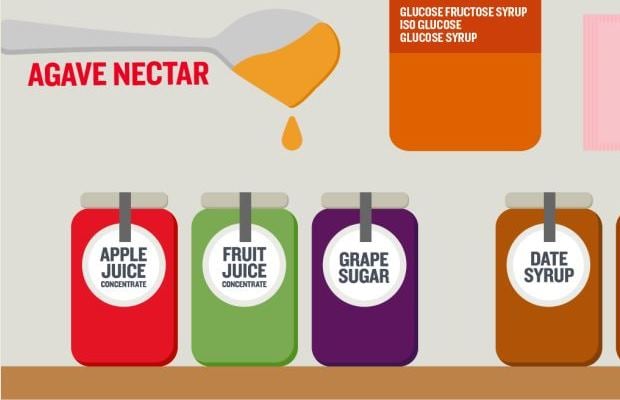
‘Natural’ alternatives, such as honey syrups and nectars, are often seen as healthier options, but are still sugar in liquid form. For sweetness without the calories that come with sugars, you need artificial sweeteners. Sorbitol, acesulfame K, aspartame, saccharin, sorbitol, sucralose, stevia and xylitol are the main artificial sweeteners. These are added to many foods, either on their own or in combination with sugars, as well as being available to buy in granulated or liquid forms to add to our own cooking, baking and drinks.
For people with diabetes they can provide a sweet taste without affecting blood glucose levels
Some people are reluctant to use artificial sweeteners – stories linking them to health problems including cancers, liver damage and premature births are probably the reason for this. However, before sweeteners can be added to food in Europe, the European Food Safety Agency (EFSA) has to approve their use. This is a rigorous process, so you can feel confident they are safe to eat.
Whether they are a helpful addition to our diets depends on your reasons for using them. They are certainly better for our teeth, and for people with diabetes they can provide a sweet taste without affecting blood glucose levels.
When it comes to weight loss, the research is more mixed, as there’s some limited evidence that they may increase appetite. They might help you cut back on sugar, for example in tea or fizzy drinks. But, ultimately, you need to reduce the total sweetness of your diet if you want to readjust your tastes in the long term.