


Eat well
Omega-3 foods and your heart
You may have heard that omega-3s are good for you. BHF Senior Dietitian Victoria Taylor explains how they help to keep your heart healthy and which foods are the best source.
Published:
Published:
What are omega-3s?
We used to think of fats as just a source of calories, but now we know they play a vital role in the body. Nearly 100 years ago husband and wife team George and Mildred Burr identified fats that are critical to health and coined the term essential fatty acids for them.
Some omega-3s are essential fatty acids, building blocks of the fats that your body needs to work properly. Your body cannot make them, so you have to get them from your diet. There is more information in this article about which foods to include in your diet.
The omega-3 fatty acids that are most important to our health are:
- Alpha-linolenic acid (ALA), which is in some nuts and seeds and the oils made from them.
- Eicosapentaenoic acid (EPA), which is mainly in oily fish but also white fish and seafood.
- Docosahexaenoic acid (DHA), which is also mainly in oily fish but also white fish and seafood.
ALA is an essential fatty acid. Our bodies can convert some of the ALA we eat to EPA and DHA, but only in small amounts. So, although EPA and DHA are not essential fatty acids, it’s helpful to include sources of them in our diet too.
What are the benefits of omega-3s?
EPA and DHA have been linked to a reduction in the risk of heart disease. It’s thought that they could do this in several ways, by:
- reducing a type of fat in your blood called triglycerides, high levels of which are linked to a greater risk of heart attack and stroke
- improving circulation
- preventing blood clots
- lowering blood pressure
- maintaining a healthy heart rhythm.
Omega-3s have other important roles to health as well. They are in the membranes of every type of cell in the body and are also vital for the development of the brain and the retinas of a growing baby.
Which foods are high in omega-3s?
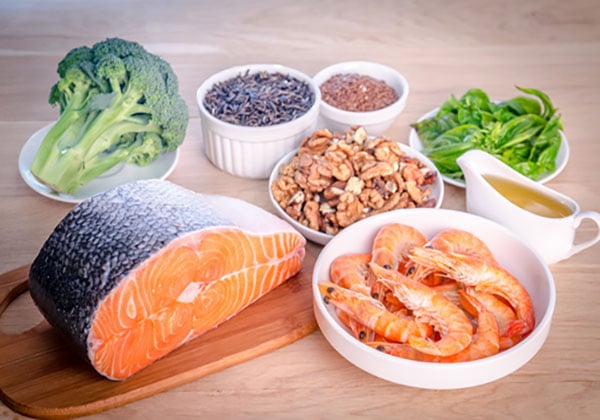
Oily fish is the best source of EPA and DHA, for example, mackerel, salmon, trout, sardines and anchovies. Oily fish that’s fresh, frozen or tinned are all suitable but limit smoked, salted fish or fish tinned in brine, which has added salt.
If you do not eat fish, you can get omega-3s from flaxseed, chia seeds, walnuts, rapeseed, soya beans and the oils made from them.
How can I include omega-3s in my diet?
It’s simple to include fish, vegetarian or vegan sources of omega-3s in your diet.
Ways to include oily fish could be tinned sardines on toast with sliced tomato, tinned salmon on a salad, baked salmon fillet with a jacket potato and peas, or grilled mackerel with pasta and tomato and vegetable sauce.
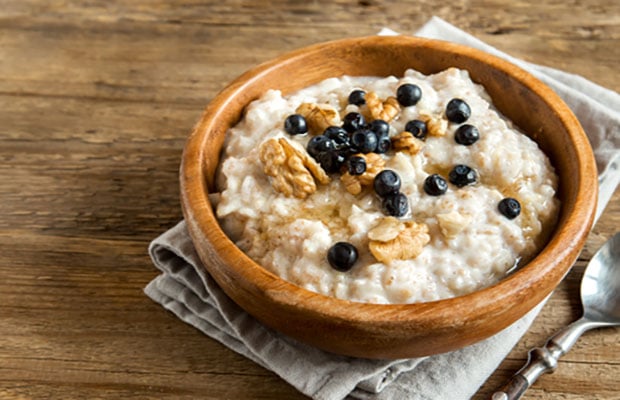
Ways to add vegetarian sources of omega-3 to your diet include adding walnuts to your morning porridge or have a mix of sunflower, pumpkin, chia and flaxseed with yogurt and fruit. For cooking you could use a rapeseed oil (which is often the oil labelled as vegetable oil) and use a sunflower spread.
How much omega-3 do I need to eat?
There is no government recommendation in the UK of how much omega-3 we need. But UK government dietary advice recommends we eat two 140g (cooked weight) portions of fish a week with one of these being an oily fish.
Oily fish are the best source of EPA and DHA omega-3 fats but there are also small amounts in white fish and shellfish. It’s worth remembering that white and oily fish are also healthy choices, being good sources of protein as well as vitamins and minerals.
Should I take omega-3 supplements?
You do not need to take omega-3 supplements unless they’ve been prescribed by your doctor. Research suggests that the health benefits come from eating foods that contain omega-3s rather than taking supplements.
However, if you do want to take a supplement then there are a few things to look out for. Choose ones that contain DHA and EPA omega-3s, not just fish liver oil, and check to see how much. Aim for roughly 450mg per day, which is the equivalent you’d get from eating the recommended amounts of fish.
Vegan or vegetarian products made from microalgae oil that contain EPA and DHA are also available. Microalgae are tiny single-cell plants that grow in water. Make sure to check the amount of omega-3 they contain as this varies between products.
As with any supplements, you should discuss these with your doctor before taking them to avoid any interactions with medicines you’ve been prescribed.
When it comes to fish oil supplements this is especially important if you are taking medicines that affect how well your blood clots. Also, if the supplement includes vitamin A, make sure that you are not getting too much of it from the supplement and your diet combined.
Too much vitamin A can increase the risk of osteoporosis. A maximum daily total of 1.5mg is recommended.
What about omega-6 and omega-9?
We hear less about these fats because we tend to either have enough in our diets, in the case of omega-6 or because we can make it in our bodies, as is the case with omega-9.
Omega-6 is essential to include in our diet, but we tend to get enough of this as it’s in a wide range of foods such as vegetable oil, corn oil, sunflower oil, nuts and seeds and foods like spreading fats and mayonnaise.
Omega-9 is monounsaturated fat. We can make this in the body so it’s not essential for our diets although replacing saturated fats with unsaturated fats, which can include monounsaturated fats like olive, rapeseed or peanut oil, is beneficial for our cholesterol levels.
What to read next...


More useful information
Eat well
Eating fish made easy


Eat well
How to stop overeating
