

Eat well

Is caffeine bad for you? How much is too much?
BHF Senior Dietitian Tracy Parker explains that caffeine is not bad for your heart, but can temporarily raise blood pressure and may trigger heart palpitations. Plus, she shares how much caffeine is in tea and coffee.
Page updated:

Page updated:
What is caffeine?
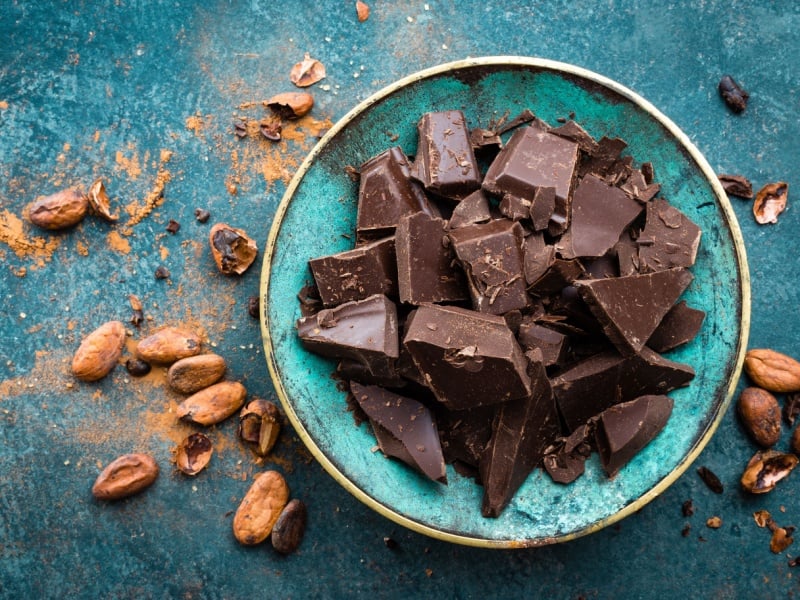
Caffeine is a natural stimulant found in lots of different food and drinks, including coffee, black tea, green tea, energy drinks, cola and chocolate, as well as caffeine supplements.
It makes you feel more alert by blocking a chemical in your brain called adenosine, which causes tiredness.
Some people worry that caffeine is bad for their heart. However, drinking a moderate amount is unlikely to cause any negative effects.
How much caffeine should you have a day?
Up to 400 milligrams (mg) of caffeine a day, or around 4 to 5 cups of tea or coffee, is generally considered safe for most adults.
You may find consuming too much caffeine at once or over the day can cause anxiety, sleeping problems and a rapid heart rate (palpitations).
If you’re pregnant, the NHS recommends limiting caffeine intake to 200mg a day or less.
Although having a few cups of coffee a day is not bad for your heart, adding sugar, syrups, whole milk or cream to your drink adds calories and saturated fat, which can lead to weight gain and high cholesterol levels.
If you enjoy caffeinated drinks, these simple tips can make them a healthier choice:
- Avoid adding sugar or syrups to coffee or tea.
- Use skimmed or semi-skimmed milk, or an unsweetened plant-based alternative, instead of whole milk.
Can caffeine spike blood pressure?
Caffeine can temporarily increase blood pressure, especially in people who do not usually drink it.
However, having a moderate amount of caffeine every day is not linked to an increased risk of long-term high blood pressure (hypertension).
If you are diagnosed with high blood pressure and already regularly drink caffeine, you will probably not need to cut down your intake, but make sure to check with your doctor.
You should also avoid having caffeine before having your blood pressure checked – wait at least 30 to 60 minutes if you’ve had any coffee or tea.
Can caffeine cause heart palpitations or increase heart rate?
Research shows that drinking 400mg or less caffeine a day should not affect your heart rhythm or increase your risk of abnormal heart rhythms (arrhythmias), such as atrial fibrillation (AF).
You may find your heart rate increases slightly after consuming caffeine, especially if you’re sensitive to its effects.
Some people also experience palpitations – when it feels like your heart is pounding or beating more quickly than usual – if they drink too much.
If caffeine triggers palpitations or increases your heart rate, it may be worth cutting down or switching to decaffeinated drinks instead.

Atrial fibrillation and caffeine
If you have AF (a type of abnormal heart rhythm), research has found that it’s still safe to consume a moderate amount of caffeine, and some studies suggest coffee could even reduce your risk of further episodes.
A small study published in 2025 in the Journal of the American Medical Association investigated the effect of caffeine in 200 people with persistent atrial fibrillation who’d had successful electrical cardioversion to get their heart back to a normal rhythm.
It found that participants asked to drink at least 1 cup of caffeinated coffee a day for 6 months were less likely to experience another episode of AF than those asked to avoid all caffeine (47 per cent versus 64 per cent).
However, people with AF will vary widely in how they respond to caffeine. You may prefer to limit or avoid coffee or other caffeinated drinks if you notice that they make your symptoms worse.
How much caffeine is in coffee and tea?
On average, a cup of coffee has around 100mg of caffeine, while a cup of tea has around 50mg, but this varies depending on the brand and how long the drink is brewed for.
Here’s the average amount of caffeine in different food and drinks:
| Food or drink | Amount of caffeine (mg) |
|---|---|
| Filtered or instant coffee (200ml) | 90 |
| Espresso (60ml) | 80 |
| Standard energy drink (250ml) | 80 |
| Black tea (220ml) | 50 |
| Standard cola (355ml) | 40 |
| Green tea (220ml) | 35 |
| Dark chocolate (20g) |
10 |
| Decaffeinated coffee (200ml) | 7 |
| Milk chocolate (20g) |
4 |
| Decaffeinated tea (220ml) | 2 |
Caffeine supplements and powders often have much higher levels of caffeine than food or drinks, so make sure to check the label before you try them.
How long does caffeine stay in your system?
Your body absorbs caffeine in around 45 minutes, and it can stay in your system for anywhere between 2 to 10 hours, depending on your gender, whether you smoke and your liver function.
Caffeine has a half-life of around 5 hours. This means half of the amount you originally consumed will be gone after 5 hours.
So, if you drink a cup of coffee with 100mg at noon, you will still have 50mg of caffeine in your system by 5pm.
If you have trouble sleeping, it’s best to avoid consuming caffeine after 12pm.
What to read next...


