Diabetes explained
What is diabetes?
Diabetes is a condition that causes your blood sugar levels to become too high. There are 5.6 million people living with diabetes in the UK. It affects people of all ages.
Sugar (also known as glucose) in the blood is your body’s main source of energy. It comes from the food you eat, mainly carbohydrates including bread, potatoes, pasta, fruit, drinks, as well as sugary foods like sweets and cake.
Glucose is carried through the bloodstream to cells around the body to give them energy to work. When the level of glucose in the bloodstream rises, the pancreas (an organ near the stomach) makes a hormone (a chemical messenger that carries messages to cells) called insulin. Insulin tells the body’s cells to absorb the glucose and use it as energy, turn it into fat, or turn it into other substances the body needs.
In somebody with diabetes, their cells cannot absorb glucose properly because there is a problem with their insulin production. This means:
- their cells do not use the glucose for energy
- the unused glucose stays in their blood and builds up
- the excess glucose can damage their arteries (arteries carry blood high in oxygen and nutrients around the body)
- if their arteries are damaged, it can increase their risk of developing heart and circulatory diseases.
What are the types of diabetes?
There are two main types of diabetes.
Type 1 diabetes is when your body does not make any insulin at all because your immune system (which usually protects your body from bad bacteria and viruses) attacks the cells that make it.
Type 2 diabetes is when your body does not make enough insulin or your body does not use the insulin it makes properly. Type 2 diabetes is more common. Around 1 in 12 people with diabetes in the UK have type 1 diabetes.
Prediabetes is when your blood sugar is higher than normal, but it is not high enough to be diagnosed as diabetes.
Sometimes, pregnant women can develop diabetes which usually disappears after giving birth. This type of diabetes is called gestational diabetes.
Watch our video explaining type 2 diabetes:
Diabetes and your heart
How does diabetes affect your heart?
Type 1 and type 2 diabetes cause unused glucose (sugar) to stick to your red blood cells and build up in your blood.
This build up can damage the arteries that carry blood, oxygen and nutrients around your body.
When arteries get damaged, it’s easier for fatty material to stick to the artery walls. This can clog the arteries and reduce the space for blood to flow properly.
If the arteries carrying blood to your heart get clogged, it can lead to a heart attack.
If the arteries carrying blood to your brain get clogged, it can lead to a stroke.
- People with diabetes are twice as likely to have a stroke
Causes
What causes diabetes?
The cause of type 1 diabetes is unknown. Scientists understand type 1 diabetes causes the body to attack the cells that make insulin. Research is happening to understand why that is.
The cause of type 2 diabetes is a problem with the amount of insulin being made or used. This means the body cannot control its blood sugar levels so they keep rising.
Some of the factors that can increase your risk of type 2 diabetes are:
- being physically inactive
- having excess weight or obesity
- having a family history of type 2 diabetes
- getting older. Type 2 diabetes usually develops gradually and affects more adults over the age of 40 but it can develop at any age
- ethnicity. If you have a South Asian, African Caribbean or Black Asian background, you might have an increased risk of developing type 2 diabetes
- waist to height ratio. Having a waist to height ratio of 0.5 or more increases your risk of health problems including type 2 diabetes
Signs and symptoms
What are the symptoms of diabetes?
The symptoms of type 1 and type 2 diabetes are:
- blurred vision
- feeling very tired (fatigued)
- feeling very thirsty
- losing weight without trying
- having breath that smells fruity
- peeing more than usual, especially during the night
- having itchy genitals or thrush that keeps coming back
- having cuts, grazes or bruises that take a long time to heal.
If you or someone in your family are experiencing any of these symptoms it might be a sign of diabetes. You can visit your local GP. They will run some simple tests to find the cause of your symptoms.
Many people with type 2 diabetes do not get any signs or symptoms, especially in the early stages.
Are you worried about your symptoms?
Many people experience new symptoms at some point in their life and it can feel worrying. It might be nothing but it’s important to get it checked. If you’re diagnosed with diabetes, your doctor will help you to understand your condition, your treatment plan and some easy steps you can take to manage it.
If you’re feeling concerned and would like emotional support, you can contact our Heart Helpline nurses. Or you can connect with other people in a similar situation to you on our online HealthUnlocked community.
Diagnosis
How is diabetes diagnosed?
Type 1 and type 2 diabetes are usually diagnosed by checking your blood sugar levels. The main blood test used to diagnose diabetes is the haemoglobin A1c (or HbA1c) test. This test is preferred because it measures your average blood sugar levels over 2 to 3 months instead of only checking them at the time you have the test. The test does this by checking how much sugar is stuck to your red blood cells.
The results of your HbA1c test might take up to a couple of days. Your doctor will explain your results to you and answer any questions.
Treatment
How is diabetes treated?
The treatments for type 1 and type 2 diabetes are usually different.
The treatment for type 1 diabetes is a medicine called insulin. Your doctor will also recommend regular exercise and a healthy balanced diet.
People with type 1 diabetes need to be given insulin to control their blood sugar levels because their body attacks the cells that make it. And they will need to monitor their blood sugar levels throughout the day.
There are different types of insulin injections. If you have type 1 diabetes, your doctor will explain the types of insulin you need, how often you need them and how to check your blood sugar levels.
The treatment for type 2 diabetes is usually medicines along with regular exercise and a healthy balanced diet.
Most people need medicine to control their type 2 diabetes. The medicine helps to lower the amount of sugar in your blood. This can reduce the risk of developing other health problems like heart and circulatory diseases.
Sometimes, people with type 2 diabetes might need insulin injections. Your doctor might ask you to check your blood sugar levels regularly, but most people with type 2 diabetes do not have to.
Your doctor might also recommend a type of medicine called GLP-1 agonists. Speak to your doctor if you have any questions about GLP-1 agonists.
The type of medicine, the amount you take and if you need insulin injections might change over time. You will have regular check-ups with your doctor to review your treatment plan.
Some people with type 2 diabetes may be able to stop taking medicine if they can control their blood sugar levels with a healthy balanced diet, regular exercise and by losing weight.
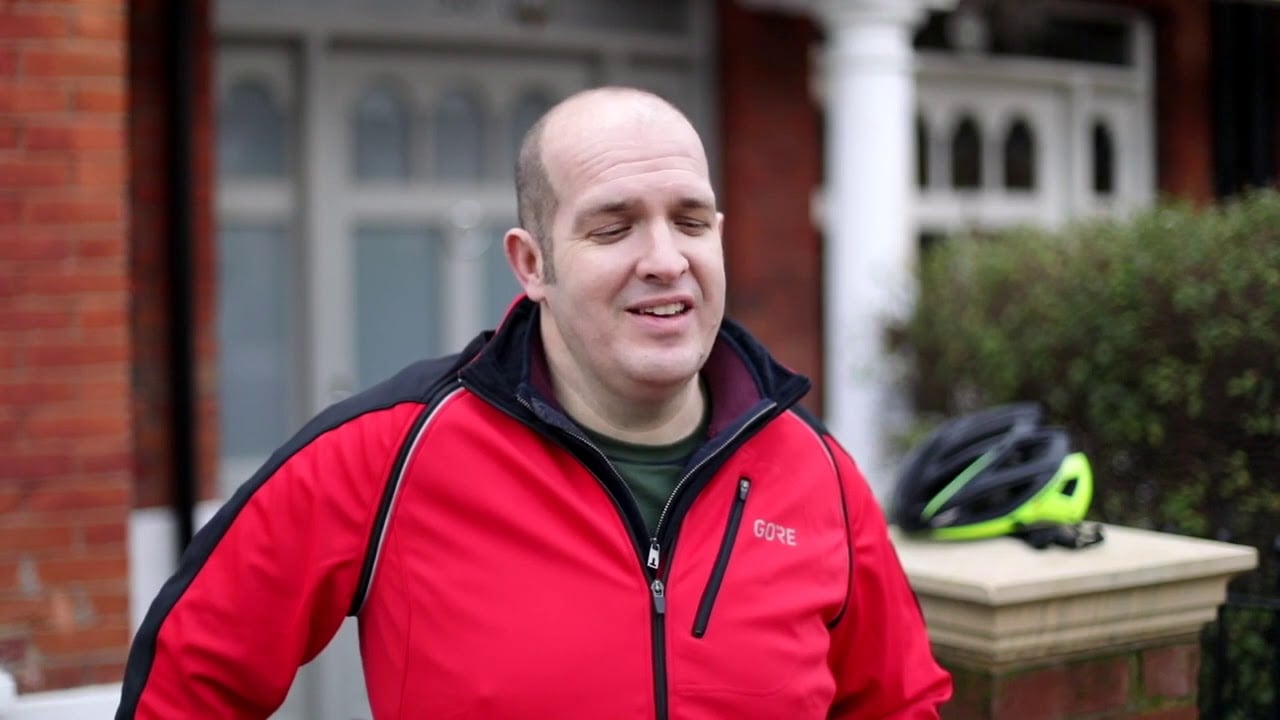
Mark explains how he manages his diabetes:
What should I eat to control my diabetes sugar levels?
If you are diabetic, eating a balanced diet and limiting certain foods is important. Your doctor will usually recommend you eat more whole foods, reduce the amount of high-sugar, high-fat and high-salt foods and drinks, and eat regularly because skipping meals can cause your blood sugar levels to go too low.
Some of the foods your doctor might recommend you include:
- fruit and vegetables
- wholegrain starchy foods like whole meal bread instead of white, brown rice, and oats
- protein foods such as beans, pulses, nuts, eggs, lean meat and fish including oily fish like mackerel and salmon
- lower-fat and sugar dairy and dairy alternatives like low-fat cheese, natural or unsweetened yoghurt, and semi-skimmed milk.
How often should I exercise with diabetes?
Being physically active is another great way to control your blood sugar levels. Exercise helps to lower the amount of glucose (sugar) in your blood because your muscles need to use more of it.
This can reduce your risk of developing heart and circulatory diseases and other complications. Physical activity can also boost your mood; help you feel less tired, and it can be fun too.
Adults in the UK are recommended to get around two and a half hours of exercise a week. A session could be as little as 5 or 10 minutes. Even the smallest changes can have great results.
As long as you’re doing something to get you out of breath, it can be anything including:
- swimming
- riding a bike
- brisk walking with your dog
- playing with a frisbee in the park
- pushing a lawn mower or hoovering.
Does my weight affect diabetes?
Having a healthy weight is the best way to manage your blood pressure, cholesterol level and diabetes.
If you are living with excess weight or obesity and diabetes, your doctor will usually recommend making small lifestyle changes to have a healthy weight. If you are worried about your weight, you can visit your local GP service for weight loss advice and support.
The best way to prevent type 2 diabetes is by eating a healthy balanced diet, staying active, and having a healthy weight and waist size.
Diabetes and other health conditions
Can diabetes cause other health conditions?
Type 1 and type 2 diabetes can cause other health problems if it’s not controlled properly. But try to not let this worry you, your doctor will review your symptoms and your treatment plan with you to reduce your risk of complications.
Some of the complications of diabetes can occur at any time and some can build up over time. The complications can include:
- eye and sight problems
- gum disease and teeth problems
- sexual problems
- being more likely to get thrush or urinary tract infections
- nerve damage which might affect feeling, moving or hearing
- heart and circulatory diseases like heart attack, stroke and vascular dementia
- feeling shaky, sweaty, or disorientated when your blood sugar levels are low
- diabetic ketoacidosis. When the body cannot use sugar for energy it starts to use fat instead which can lead to a build-up of harmful chemical called ketones which can make you feel ill. This mostly affects type 1 diabetics.
Diabetic ketoacidosis is a serious condition. It’s important to know the signs. If you or someone you know are diabetic and are showing symptoms, you should call 999 or go to A&E immediately.
Get support
If you have diabetes, it's important to know you're not alone. You can find information and support:
- If you would like to learn more about living with diabetes, Diabetes UK has more useful information and support.
- Call our Heart Helpline to speak to one of our Cardiac Nurses. They can give you information and support about heart and circulatory diseases, and their risk factors.
- Join our HealthUnlocked community to connect with people in a similar situation.
Listen to this page
00:00/00:00

You can trust our health information
We've followed an eight-step process to make sure this content is reliable, accurate and trustworthy.
Learn how we make our health content.