Understand health
Which heart symptoms mean I should seek urgent medical help?

Senior Cardiac Nurse Ruth Goss explains why high troponin levels in your blood could be a sign of a heart attack.


Troponin is a protein found in your muscles, including your heart.
When your heart is injured or damaged, troponin is released into your blood.
There are many things that can cause your heart to be injured, such as heart surgery, but one of the most common is a heart attack.
A heart attack occurs when one of the arteries supplying blood to the heart is blocked, which damages the heart muscle because of lack of oxygen.
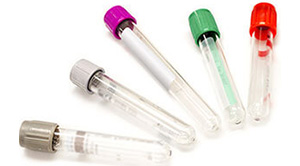
If you go to hospital with chest pain or a suspected heart attack, doctors may do a blood test to find your troponin levels, also known as cardiac enzymes.
If they find higher than normal levels, this can be a sign that your heart has been damaged.
This test, along with others, helps your doctors make a diagnosis and give you the right treatment as soon as possible.
They may recheck your blood several times to see if your troponin levels are still rising.
There are no set numbers on what is a high level of troponin because different hospitals use different testing machines.
There may also be differences in levels between biological sexes.
In 2020, the UK’s National Institute for Clinical Excellence (NICE) approved a new test that picks up lower levels of troponin to help diagnose some types of heart attack in women.
Conditions such as heart failure and heart surgery can also cause higher troponin levels.
If you have questions or concerns about your troponin levels, speak to your medical team.