Blood pressure
High blood pressure is just one of
the risk factors for developing heart and circulatory disease,
along with high
cholesterol,
diabetes and other lifestyle
factors. As many as 5 million
people in the UK are walking around,
undiagnosed, with high blood pressure.
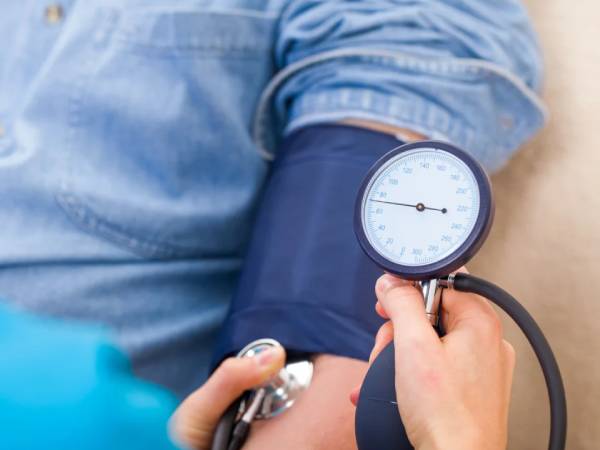
The only way to know whether you have high blood pressure is to
have it measured.
Everyone should know their blood
pressure. We recommend that everyone over 40 gets their
blood pressure taken by a nurse or doctor as part of a health check
to assess their risk for getting heart and circulatory disease.
What is blood pressure?
Put simply, blood pressure is the pressure of blood in
your arteries - the tubes that carry your
blood from your heart to your brain and the rest of your body. You
need a certain amount of pressure to get the blood round your
body.
The pressure of the blood flowing through your arteries
changes at different times in the heartbeat cycle, as the heart.
The pressure in your arteries will be at its highest when your
heart is contracting and lowest as it relaxes before it
pumps again.
What do the numbers mean?
Every blood pressure reading consists of two numbers or levels.
They are shown as one number on top of the other and measured
in mmHg, which means millimetres of
mercury. If your reading is 120/80mmHg, you might
hear your doctor or nurse saying your blood pressure is "120
over 80".
- The first (or top) number represents the highest
level your blood pressure reaches when your heart
contracts and pumps blood through your
arteries - your systolic blood pressure. An
example might be 130mmHg.
- The second (or bottom) number represents the lowest
level your blood pressure reaches as your heart relaxes
between beats - your diastolic blood pressure. An
example might be 75mmHg.
You should have your blood pressure measured so that you know
what your target is. Unless your doctor tells you otherwise,
your blood pressure should be below 140/90mmHg.
If you have heart or circulatory disease,
including being told you have coronary heart disease, angina, heart attack
or stroke, have diabetes or kidney
disease, then it is usually recommended that your blood
pressure should be below 130/80mmHg.
What is high blood pressure?
High blood pressure – or hypertension – means
that your blood pressure is constantly higher than the recommended
level. High blood pressure is not usually something that you
can feel or notice, but over time if it is not
treated, your heart may become enlarged making your heart
pump less effectively, which could lead to heart
failure.
Having high blood pressure increases your
chance of having a heart attack or
stroke.
There isn’t always an explanation for the
cause of high blood pressure, but these can play a part:
- not doing enough physical activity
- being overweight or obese
- having too much salt in your
diet
- regularly drinking too much alcohol
or
- having a family history
of high blood pressure.
Even if you don't have high blood pressure, making
simple lifestyle
changes may help prevent you having it in the future.
Your doctor or nurse
will take your blood pressure. If your blood pressure is 140/90mmHg
or higher you will probably have to have this rechecked several
times.
The updated blood pressure guidelines produced by The National Institute for Clinical
Excellence (NICE) have suggested that more people are offered
ambulatory or home blood pressure monitoring if they are found to
have high blood pressure, before confirming a diagnosis of high
blood pressure.
Everyone's blood pressure varies during the
day. Some people have a condition known as ‘white coat
hypertension’ or ‘white coat syndrome’. This is a condition where
your blood pressure rises only because someone is taking your
blood pressure, and not because you have an underlying medical
problem. If you have white coat hypertension, your blood pressure
will return to normal when your doctor or nurse stops taking it. It
can be very difficult to diagnose and this is why you may need to
have your blood pressure rechecked several times.
If you are already being treated for high
blood pressure and have any concerns about it, you should not stop
taking your medication, but should discuss it with your GP at your
next appointment.
What can I do to reduce my blood pressure?
If your doctor or nurse says you have high blood
pressure, he/she is likely to encourage you to make some lifestyle changes to help reduce it. This
may include increasing your physical activity, losing weight,
reducing the salt in your diet, cutting
down on alcohol and eating a balanced,
healthy diet.
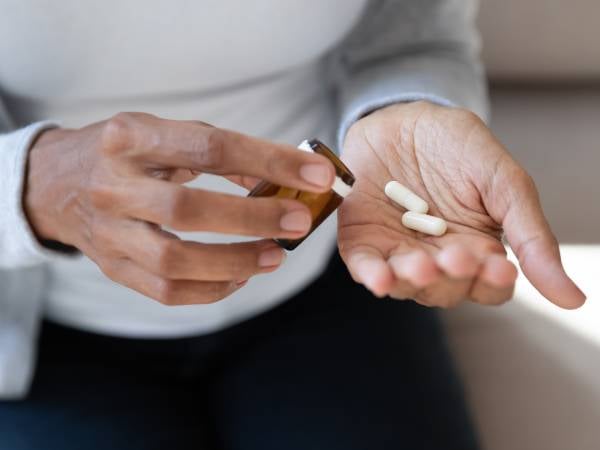
If your blood pressure is very high or these
lifestyle changes do not reduce it enough, your doctor is
likely to prescribe you medication to control it and to reduce
your risk of having a heart attack or stroke.
Discuss blood pressure
online